










Fantasia Truffles - Mushmagic
Magic truffles
€16.99Price
To access our site, you must confirm that you are at least 18 years old.


Mycopedia is the Mushverse living dictionary: a space we will keep expanding, little by little, with the essential terms of mycology, from the biology and anatomy of fungi to growing techniques and psychedelic culture.
The information in Mycopedia is for general education and does not replace medical advice or identification by an expert. Never eat wild mushrooms without rigorous identification of every specimen, and if you suspect poisoning, go to an emergency department even if there are no symptoms.
0-9 · A · B · C · D · E · F · G · H · I · K · L · M · N · O · P · R · S · T · U · V · W · X · Y · Z · Sources
The 5-HT2A receptor is one of the serotonin receptors of the nervous system and the main site of action of the classic psychedelics. Psilocin binds to it and activates it, that is, it acts as an agonist.
It is especially abundant in the cerebral cortex, in neurons involved in perception, cognition and mood. Its activation is linked to the perceptual effects of psilocybin, such as synaesthesia, to the neuroplasticity being studied in current research and to the rapid tolerance, which comes about because the brain temporarily reduces the number of these receptors. It is not the only one involved: psilocin also binds to other serotonin receptors, although these weigh less in the experience.
Did you know? The proof of its role came from blocking it. In 1998, the team of the Swiss psychiatrist Franz Vollenweider gave psilocybin to healthy volunteers after giving them ketanserin, a drug that blocks this receptor, and the psychedelic effects almost completely disappeared. It was the first demonstration in humans that the experience depends mainly on the 5-HT2A receptor.
An aborted pin, or simply an “abort” in growers’ slang, is a primordium that stops growing before it becomes a mushroom. It stays small, often with a dark head, and never opens its cap.
In cultivation it usually indicates that conditions changed too quickly during fruiting: the surface dried out, there was not enough humidity or fresh air, or the temperature rose or fell suddenly. Aborts also appear when there are more primordia than the substrate can feed, and it is normal to find a few in any flush. An aborted pin is not contaminated, but it decomposes easily and can provide a way in for moulds and bacteria, so it is usually removed at harvest. In psilocybin species, the growing community credits aborts with greater potency, but no analyses confirming this have been published.
Did you know? Many primordia abort even when the crop is going well. In 2013, a study at Wageningen University (Netherlands) on button mushrooms observed that at the start of each flush many primordia stopped growing because they were competing with one another for nutrients, and that this competition eased if the ones already growing were removed early.
Adaptogen is the name given to certain plants and fungi credited with the ability to help the body adapt to physical or mental stress, without abrupt stimulant or sedative effects. It is a concept from traditional medicine and herbalism, not a recognised pharmacological category.
In 1968, Israel Brekhman and Ilya Dardymov proposed three conditions for a substance to be considered adaptogenic: it must be harmless in normal amounts, help the body resist stress in a general way rather than acting on a specific organ, and tend to normalise its functions. Fungi often included in this category are reishi, cordyceps, lion’s mane, maitake and chaga. The European Medicines Agency reviewed the concept in 2008 and concluded that the available studies were not enough to accept it as a pharmacological term, and it is not among the authorised health claims in the European Union. Many of these fungi are also sold under the broader label of functional mushrooms.
Did you know? The concept of the adaptogen was born in the Soviet Union during the Cold War. In 1947, the pharmacologist Nikolai Lazarev coined the term while researching substances that would improve the performance of athletes and soldiers without resorting to stimulants such as amphetamines. Years later, his student Israel Brekhman developed adaptogenic formulas that were even tested on Soviet cosmonauts to help them cope with the dizziness, loss of balance and fatigue caused by spaceflight.
Adaptogenic Mushrooms: The Natural Power to Balance your Life In a reality where stress, fatigue and daily demands seem to give no respite, adaptogenic mushrooms emerge as a gift from nature to help u...
Aerial mycelium is a type of mycelium that grows upwards as a fuzzy or cottony layer on the surface of the substrate or on the mushrooms, instead of spreading within the substrate itself.
It is healthy, white mycelium, not contamination, but it usually indicates that the environment is not right: it appears with insufficient ventilation and too much humidity or CO₂. In oyster mushrooms, for example, it shows up as “fuzzy feet”. Too much aerial mycelium can hinder fruiting, so it is taken as a signal to correct the air and humidity.
Did you know? It is easy to confuse with cobweb mould, a contaminant that also looks cottony. The difference lies in the colour and the speed: cobweb mould is darker, almost grey, compared with the clean white of healthy mycelium, and it can take over an entire container in a day or two from a patch the size of a coin.
Aeruginascin is an alkaloid of the tryptamine family, very similar to psilocybin but with three methyl groups on the nitrogen instead of two. It was described in the mushroom Inocybe aeruginascens.
The German chemist Jochen Gartz isolated it in the late 1980s, and its structure was published in 2006, as explained under Inocybe. It has since been detected in small amounts in other mushrooms, including Psilocybe cubensis, where a team in Prague found it in 2020. That third methyl group gives it a permanent electrical charge, which is why it is thought that, in this form, it barely crosses the barrier that protects the brain. It is being studied as a possible piece of the entourage effect, and it has also been put forward, without evidence, as the cause of the paralysis associated with wood lovers.
Did you know? In 1989, Gartz analysed 23 accidental poisonings with hallucinogenic mushrooms and noticed that those who had eaten Inocybe aeruginascens always described euphoric experiences, whereas anxiety and panic were common with other mushrooms. He suggested that aeruginascin softened the effect of psilocybin. It remains the only observation in humans, and it is based on very few cases.
Agar is a gelling substance of plant origin, extracted from seaweed, used to solidify culture media. Its name comes from the Malay agar-agar. Mixed with nutrients, it forms a firm, stable surface on which mycelium can grow.
In mushroom growing, agar is usually poured into Petri dishes to work with pure cultures: germinating spores, isolating clean mycelium, keeping a strain or spotting contamination early, since any foreign colony is easy to see on a flat, transparent surface. From there, healthy mycelium can be transferred to other media, such as grain spawn.
Did you know? It reached the laboratory thanks to a kitchen recipe. In the summer of 1881, the physician Walther Hesse, a collaborator of Robert Koch, was struggling to grow microbes on gelatine, which melted in the heat. His wife, Fanny Hesse, suggested replacing it with agar, which she knew from her desserts: she had learnt about it as a child from Dutch neighbours who had come from Java. Koch adopted it and mentioned it in his 1882 paper on the tuberculosis bacillus, but he never acknowledged the Hesses’ contribution.
An alkaloid is a naturally occurring organic compound that contains at least one nitrogen atom and, in most cases, is basic in character. Many have marked effects on the body, such as morphine, caffeine or nicotine.
They are found mainly in plants, but also in some fungi: psilocybin is an indole alkaloid, and ergotamine, from ergot, is another. The boundaries of the category are not clear-cut, and some authors classify compounds with the nitrogen outside a ring, such as serotonin or mescaline, as amines rather than alkaloids.
Did you know? The word means “alkali-like”. It was introduced in 1819 by the German pharmacist Carl Friedrich Wilhelm Meissner, because these substances behave as bases. The first to be isolated was morphine: Friedrich Sertürner extracted it from opium in 1804 and called it morphium, after Morpheus, the Greek god of dreams.
Psilocybin mushrooms don't contain a single active compound. They contain a family of alkaloids that act in concert, orchestrating a chemical synergy that may define the experience. We break down this molecular complexity.
Read moreAn all-in-one bag is a grow bag that combines sterilised grain and substrate in a single package, with a self-healing injection port and a filter patch that allows gas exchange. Growers often call it an AIO.
It is inoculated through the port with a spore syringe or liquid culture, and incubation, colonisation and fruiting are all completed in the same bag. Because it reduces the amount of handling, the main way contamination gets in, it is a popular choice among beginners. The bags usually contain a substrate mix such as CVG or a manure base for coprophilous species.
Did you know? The patch on the bag has a pore size of 0.2 microns, the same as that used in laboratories to sterilise liquids by filtration: it lets air through, but not bacteria. And “Unicorn”, the name of one manufacturer, has come to be used among growers as a byword for this type of filter bag.
Amadou is a spongy, highly flammable material obtained from inside the fruiting body of certain fungi, above all Fomes fomentarius, the tinder fungus, and it has been used for millennia to light fires. Its name comes from French.
Fomes fomentarius is a hoof-shaped polypore that grows on birches and beeches. To obtain amadou, the outer crust and the layer of pores are removed, and the fibrous inner part is soaked, beaten and dried until it forms a felt-like sheet. A single spark is enough to set it alight. Ötzi, the Iceman, was carrying this fungus more than 5,300 years ago, as explained under taxonomy.
Did you know? Amadou can also be worn. In Corund, a village in Transylvania, several families have been making hats, bags and other objects from sheets of this fungus since the 19th century, although the craft is at risk of dying out. The mycologist Paul Stamets often appears wearing one of those hats. Because it is so absorbent, dentists used it to dry and stem bleeding before medical cotton existed, and fly fishers still use it to dry their flies.
Amanita muscaria is a large mushroom with a bright red cap dotted with white warts and white gills, known in English as the fly agaric. It is the type species of the genus Amanita and contains ibotenic acid and muscimol, two compounds with psychoactive and toxic effects.
The warts are remnants of the universal veil, the membrane that enclosed the mushroom when it was young, and rain can wash them off. Ibotenic acid is a prodrug of muscimol, which is mainly responsible for its effects. It forms ectomycorrhizae with trees such as birches and pines.
It is a poisonous mushroom: a single cap can be enough to cause poisoning. If it has been eaten, go to an emergency department.
Did you know? Its name comes from flies. Albertus Magnus, the first to record it, before 1256, wrote that it is so called because it is crumbled into milk to kill them, and Linnaeus listed it in 1753 as Agaricus muscarius, from musca, “fly”. We now know that the active agent is ibotenic acid. And in 1968, R. Gordon Wasson proposed that the soma of the Vedas was this mushroom, a hypothesis that still has supporters and critics, and that ties in with ethnomycology.
Amanita phalloides is a deadly mushroom known as the death cap, with a greenish to olive cap, white gills, a ring on the stem and a sac-like volva at the base. It is responsible for around 90% of mushroom-related deaths worldwide.
Its toxins, the amatoxins, withstand both heat and cold: neither cooking, drying nor freezing destroys them. Symptoms may take six hours or more to appear, and by then liver damage has already begun. It forms ectomycorrhizae with broadleaved trees such as oaks and chestnuts, and its spore print is white.
If you suspect that someone has eaten this mushroom, go to an emergency department immediately, even if there are no symptoms. Cooking, drying or freezing it does not remove the poison.
Did you know? It is a European species, but today it grows across much of the world because it travelled in the roots of imported trees. The first confirmed record in North America dates from 1935, in the exotic gardens of a Californian hotel, and in the southern hemisphere it spread with imported oaks, to Australia and South America, for example.
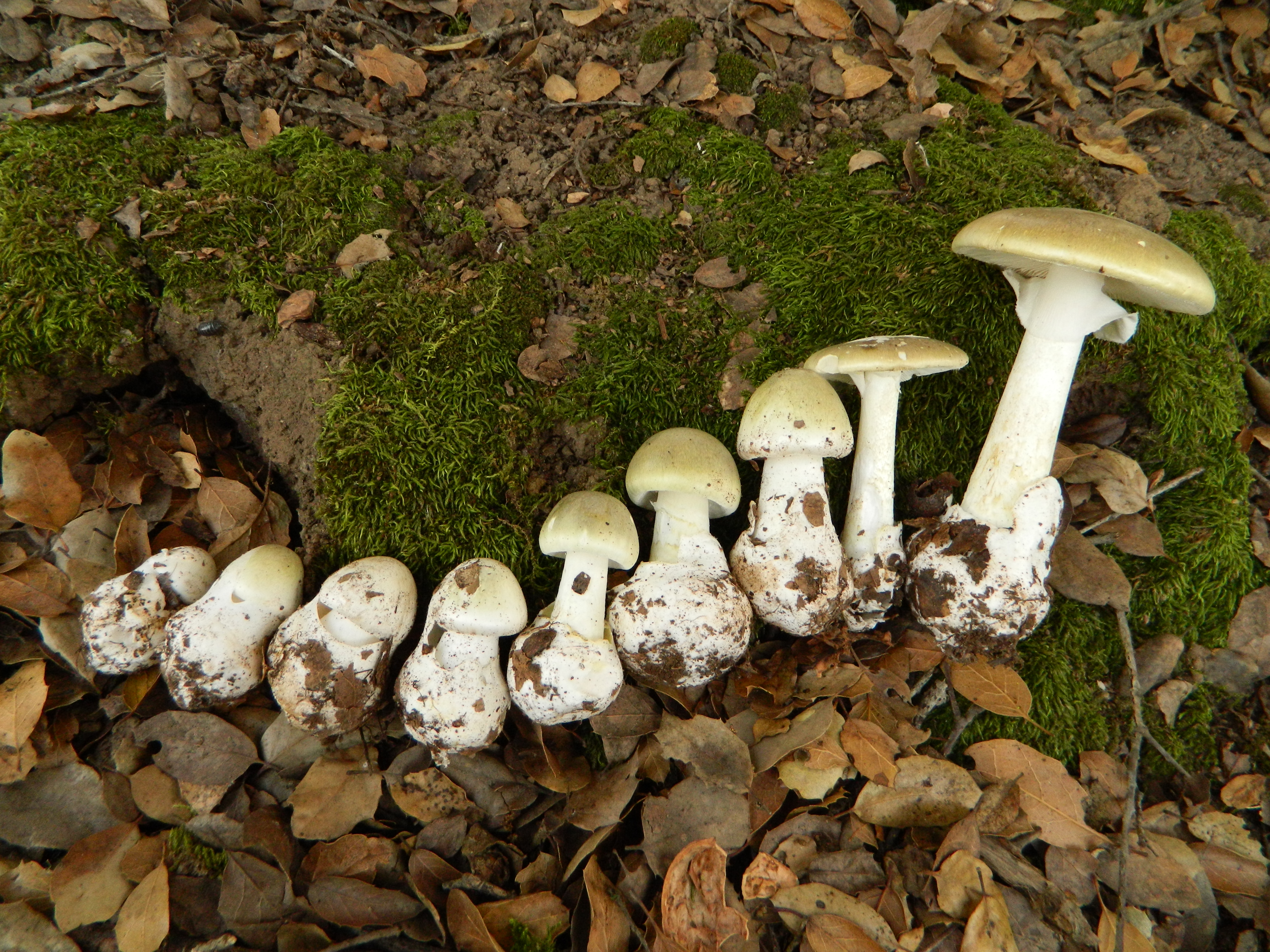
Amatoxins are a group of cyclic toxins made up of eight amino acids, responsible for the vast majority of deaths from eating mushrooms worldwide. The best known and most studied is alpha-amanitin.
They are found in Amanita phalloides and other deadly amanitas, in Galerina marginata and in some small species of the genus Lepiota. They block RNA polymerase II, the enzyme cells need to make proteins, and the organ most affected is the liver. They are not destroyed by cooking, drying or freezing the mushroom. Poisoning follows a pattern: the first symptoms, digestive ones, take between six and twenty-four hours to appear; then comes an apparent improvement, followed by liver failure. The outlook depends largely on how quickly treatment begins.
Did you know? What makes alpha-amanitin deadly also makes it a valuable tool. Molecular biology laboratories have used it for decades to study how cells read their genes, and today it is being tested bound to antibodies that steer it towards tumour cells, in cancer treatments now in clinical trials.
The ascoma is the fruiting body characteristic of the fungi in the ascomycete group. It is the visible structure in which the asci, the reproductive cells that contain the spores, are produced. Although it is sometimes confused with the term fruiting body, the latter is more general, while ascoma applies specifically to ascomycetes.
The ascoma ensures the sexual reproduction of the fungus by producing and releasing spores. Its morphology is key to classifying ascomycete species and can vary enormously, from simple cup-shaped structures to more complex forms such as those of morels.
Types of ascoma:
Did you know? One of the most striking ascomata is that of Xylaria polymorpha, known as “dead man’s fingers”: it forms clusters of black, wrinkled fingers that sprout from the base of broadleaved tree stumps. Inside, the flesh is white and fibrous, and beneath the black crust there is a ring of dark dots: its perithecia. In spring, the young fingers are covered with a white or bluish powder of asexual spores, and the release of ascospores can go on for months.
Ascomycetes are a large group of fungi characterised by producing their sexual spores inside specialised cells called asci. They are one of the main phyla of the kingdom Fungi and include more than 60,000 described species.
Ascomycetes range from microscopic organisms such as yeasts to well-known macroscopic fungi such as truffles and morels. Many are essential decomposers in ecosystems, while others form symbioses (lichens, mycorrhizae) or even act as pathogens of plants and animals.
Examples of ascomycetes: Saccharomyces cerevisiae (brewer’s and baker’s yeast), Morchella esculenta (morel), Tuber melanosporum (black truffle).
Did you know? Some ascomycetes fire their spores with one of the highest accelerations ever measured in a living organism. In 2008, a team from Miami University in Ohio filmed the asci of Ascobolus immersus, a small dung fungus, with high-speed cameras and calculated that its spores leave with an acceleration of about 180,000 times that of gravity.
Ascospores are the sexual spores of ascomycetes. They form inside a sac-shaped cell, the ascus, usually in groups of eight. Together with basidiospores, they are one of the two main types of sexual spores in fungi.
Inside the ascus, the nucleus first divides by meiosis, giving four nuclei, and then by mitosis, which doubles them to eight; each one ends up in a spore. Unlike basidiospores, which form on the outside of their mother cell, ascospores mature protected inside the ascus until it shoots them out. Their shape, internal walls and ornamentation are used to identify truffles, morels or lichens under the microscope.
Did you know? Eight is the rule, but there are exceptions. Some species form only two giant spores per ascus, and in Thelebolus, a coprophilous fungus, extra divisions produce anywhere from 32 to more than a thousand spores in a single ascus.
An ascus is a microscopic sac-shaped cell in which ascospores, the sexual spores characteristic of ascomycetes, are produced. It is the functional equivalent of the basidium in basidiomycetes, and its presence is the feature that defines this group of fungi.
Asci are grouped together to form the hymenium inside the ascoma, the fruiting body of ascomycetes. Inside each one, usually eight ascospores are formed, as explained in their entry. When they mature, the ascus shoots them out under pressure through a pore or a small lid at its tip, or releases them by bursting. Its shape, its size and the number of spores it contains are used to identify species under the microscope.
Did you know? In many species, the release of spores from an ascus is not an isolated event: when one bursts and releases its contents, it can trigger a chain reaction that makes the neighbouring asci discharge at the same time. This synchronised firing, visible in some morels and other ascomycetes, can produce clouds of spores released in a matter of seconds.
An autoclave is an airtight vessel that sterilises materials with steam at high pressure and temperature. In mushroom growing, the autoclave or its home version, the pressure cooker, is used to kill competing microorganisms in substrates and grains before inoculating them.
What kills the microorganisms is not the pressure itself but the temperature it makes possible: at an overpressure of about 103 kPa, steam reaches 121 °C, a temperature impossible to achieve by boiling water at normal pressure. That difference matters, because simple boiling does not kill the most resistant bacterial spores, whereas pressurised steam does. That is why it is the standard method for the sterilisation of nutrient-rich substrates and grain, where any survivor could set off contamination.
Did you know? The word comes from the Greek autós (“self”) and the Latin clavis (“key”): a vessel that locks itself, because the steam pressure presses the lid against the seal. The invention dates back to 1679, when the physicist Denis Papin presented his “steam digester” to the Royal Society in London: a thick-walled pot with a screw-on lid and a safety valve he devised himself to prevent explosions. Two centuries later, Charles Chamberland adapted that design to destroy germs in the laboratory.
A bad trip is a psychedelic experience marked by intense anxiety, fear or distress, instead of the expansive or pleasant effects that are usually sought.
A bad trip does not depend only on the substance or the dose: set and setting are the factors that most often decide whether an experience becomes difficult. An unsettled emotional state, actively resisting what one is feeling, or surroundings that feel unsafe can amplify thoughts or emotions that would be far easier to handle in another context. In the psychedelic community and in therapy there is an important debate about the term: many prefer to speak of a “challenging experience” rather than a “bad trip”, because an intense or uncomfortable experience does not necessarily lead to a negative outcome. With good integration afterwards, experiences of this kind can become a source of learning and personal growth.
If you have persistent emotional difficulties after a psychedelic experience, seek help from health professionals who specialise in mental health and integration.
Did you know? “Bad trips” became a journalistic genre. Between 1966 and 1968, the American press published alarming stories about LSD, some of them false, and historians and sociologists now describe that episode as a moral panic that preceded the federal ban of 1968.
Baeocystin is an alkaloid of the tryptamine family that accompanies psilocybin, in smaller amounts, in many species of Psilocybe and Panaeolus. Its structure is almost identical to that of psilocybin: it only lacks one of its two methyl groups.
It is an intermediate step in the chemical pathway the fungus uses to make psilocybin: one enzyme turns norbaeocystin into baeocystin by adding a methyl group, and another turns it into psilocybin by adding the second. It was first isolated in 1968 from Psilocybe baeocystis, from which it takes its name. Its possible role in the entourage effect, the hypothesis that a mushroom’s minor alkaloids modify the effect of psilocybin, is now being studied.
Did you know? In animal tests, baeocystin does not produce the effects of a psychedelic on its own, even though the molecule it turns into when it loses its phosphate group, norpsilocin, strongly activates the 5-HT2A receptor. One explanation is that the body breaks it down before enough of it can be converted, but this has not been proven, and whether it contributes anything to the effect of a whole mushroom remains an open question.
The basidiocarp is the fruiting body of basidiomycete fungi, that is, the visible structure we commonly know as a mushroom. In this group, it is the equivalent of the ascoma of ascomycetes.
The basidiocarp forms from secondary mycelium, when the hyphae pack together and organise themselves into a structure able to support the hymenium, the layer where the spore-producing basidia are located. Its morphology is enormously variable: it can be fleshy, woody or gelatinous, and take forms as different as the classic cap and stem, coral-like branches or flat crusts spread over wood. When the basidiocarp develops underground instead of above the surface, it is called a false truffle; true truffles are ascomata.
Did you know? Not all basidiomycetes form a basidiocarp. Rusts and smuts, two groups that cause major diseases in agricultural crops, produce their basidia directly on the host plant, without ever developing a visible fruiting body like that of an ordinary mushroom. They are, in other words, basidiomycetes without a mushroom.
Basidiomycetes are one of the two great phyla of fungi, together with the ascomycetes, and are characterised by producing their sexual spores, called basidiospores, on the outside of a specialised structure called the basidium. They include more than 30,000 described species.
Basidiomycetes encompass an enormous diversity of life forms: the vast majority of the capped mushrooms we recognise at a glance (edible, toxic and psychoactive), but also jelly fungi, puffballs, rusts and smuts that parasitise crops, and even some yeasts. Ecologically, they behave as saprotrophs, parasites or symbionts, depending on the species: they form ectomycorrhizae with most large forest trees, break down wood and leaf litter, or parasitise crop plants.
Did you know? The same phylum that includes such prized mushrooms as the porcini and the button mushroom also contains, at the other extreme, Malassezia, a genus of basidiomycete yeasts that lives routinely on human skin and, when it overgrows, is responsible for dandruff and other common skin conditions.
Basidiospores are the sexual spores of basidiomycetes, the group to which almost all capped mushrooms belong. They form on the outside of a club-shaped cell, the basidium, usually in fours. Together with ascospores, they are one of the two main types of sexual spores in fungi.
Inside the basidium two nuclei fuse, and the resulting nucleus divides by meiosis into four; each one passes into a spore through a sterigma. Their shape, size, reaction to certain reagents and colour in mass, the one seen in the spore print, are among the most useful features for classifying mushrooms.
Did you know? Basidiospores might help to make it rain. The water droplet that forms on them to launch them appears thanks to sugars on their surface that attract moisture from the air. In 2015, a team from Miami University in Ohio used an electron microscope to show that these droplets form again once the spores are airborne, so they could act as nuclei for raindrops to form in clouds.
The basidium is a microscopic club-shaped structure found in fungi of the phylum Basidiomycota, whose function is to produce and release the sexual spores called basidiospores. It is the functional equivalent of the ascus in ascomycetes, and its presence is the distinguishing feature of this large group of fungi.
The basidium is located in the hymenium, the fertile layer of the fruiting body. At its tip it develops two to four small pointed projections, the sterigmata, at the ends of which the basidiospores form. When they mature, the basidium actively fires them off, by the mechanism described in the “Did you know?” below.
Types of basidium:
Did you know? A mushroom spore is fired off with an acceleration of more than 10,000 g (1 g being the acceleration of Earth’s gravity). For comparison, the Space Shuttle’s engines were throttled so as not to exceed 3 g during launch. And the spore’s engine is a simple droplet of water, Buller’s drop, which merges with a film of liquid and launches it like a catapult thanks to surface tension. It was measured with cameras recording 100,000 frames per second, in a yeast and a jelly fungus, and no similar mechanism is known in animals, plants or bacteria.
Binomial nomenclature is the system of rules for giving each species a scientific name made up of two words treated as Latin, whatever their origin: the genus (with a capital initial) followed by the specific epithet (in lower case), both always in italics. It is the basis of the scientific name that accompanies each species in this dictionary.
Nomenclature should not be confused with taxonomy: taxonomy decides which group an organism belongs to, while nomenclature sets the rules for how its name is written once it has been classified. The system was developed by the Swedish naturalist Carl Linnaeus in the 18th century, and its great advantage is that it gives each species a single, universal name, avoiding the confusion of common names, which change from one region and one language to another. For example, Amanita muscaria is called fly agaric in English, matamoscas in Spanish, amanite tue-mouches in French and Fliegenpilz in German, but its scientific name is the same all over the world. Today the nomenclature of fungi is governed by the International Code of Nomenclature for algae, fungi, and plants (ICN).
Did you know? When Linnaeus applied his own system to humans, he included himself in the classification: he called us Homo sapiens, literally “wise man”. This had an unexpected consequence two centuries later. Because Linnaeus never designated a physical reference specimen for our species (common practice in his time), in 1959 the botanist William T. Stearn filled the gap by naming Linnaeus himself as the lectotype, the official type specimen of Homo sapiens under the Code of Zoological Nomenclature. Since then, at least in theory, the reference specimen of our species has been his remains, buried in Uppsala Cathedral.
Bioremediation is the use of living things, such as fungi, bacteria or plants, to break down or transform pollutants in soil or water. When fungi are used, it is called mycoremediation.
The most commonly used fungi are white-rot fungi, such as Phanerochaete chrysosporium, Pleurotus ostreatus or Trametes versicolor. These fungi are saprotrophs and secrete enzymes, such as laccases and peroxidases, with which they break down the lignin in wood. The same enzymes act on organic pollutants, such as the polycyclic aromatic hydrocarbons found in oil and tar.
Did you know? A fungus that feeds on wood can also digest DDT. In 1985, a team at Michigan State University found that Phanerochaete chrysosporium broke down very persistent pollutants all the way to carbon dioxide: DDT, polychlorinated biphenyls, dioxins, lindane and benzo[a]pyrene. The authors linked this ability to the enzymes the fungus uses to break down lignin, a substance so tough that almost no other organism can decompose it.
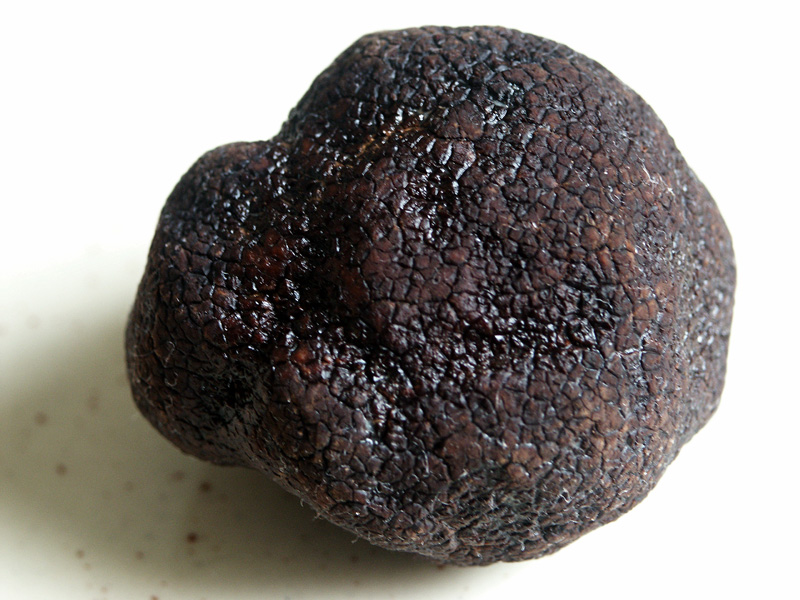
The black truffle is an ascomycete fungus whose fruiting body grows underground, and one of the most expensive edible fungi in the world. It is also called the Périgord truffle and forms ectomycorrhizae with trees such as oaks and holm oaks, in the limestone soils of southern Europe.
Its fruiting body is a hypogeous ascoma, and it depends on animals that dig it up to disperse its spores. Plantations are established with trees mycorrhized in a nursery, and for them to produce, the neighbouring trees should host mycelia of different mating types, because it is a species that needs to cross with another individual.
Did you know? The black truffle leaves a visible mark on the ground: around the tree it partners with, the vegetation dies back and a circle of almost bare earth forms, as if it had been burnt. The French call it brûlé, “burnt”, and it happens because the fungus holds back the growth of the plants around it.
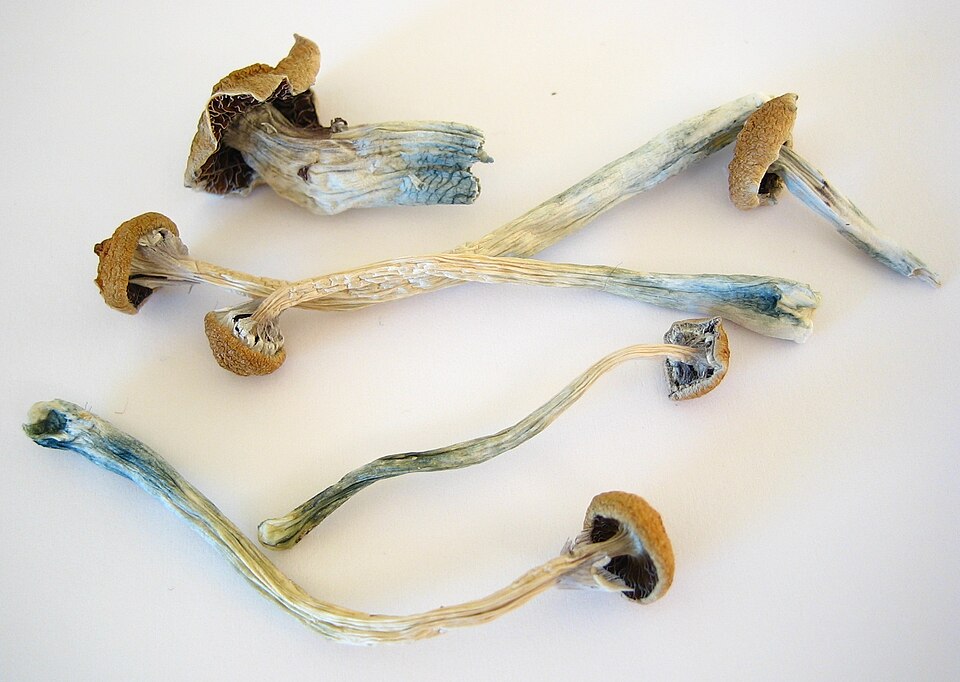
Bluing is the blue or bluish-green colour that the mushrooms and mycelium of psilocybin species take on when they are bruised, cut or age.
It is a reaction of the fungus itself: when the tissue is damaged, enzymes convert psilocybin into psilocin and oxidise it into blue pigments, as explained in the psilocin entry. It helps to recognise psilocybin species, but it cannot be used to measure their potency, because the intensity of the colour depends on many factors. In cultivation, it should not be confused with contamination: bluing appears where the mycelium has been touched or damaged, whereas a mould such as Trichoderma forms green, powdery patches that spread.
Did you know? The blue of psilocybin mushrooms is a chemical relative of the blue in jeans. A 2020 study found that the pigments are a mixture of psilocin molecules linked in chains, with a structure similar to indigo, the dye used for denim. And the same colour can have a very different origin: in many boletes, the blue that appears when they are cut comes from other substances that have nothing to do with psilocybin.
The button mushroom is an edible mushroom with a convex, white or brown cap, and the most widely cultivated in Europe and the Americas. For much of the 20th century it was also the most cultivated in the world, but today shiitake and other species grown mainly in China exceed it in volume. In the wild it grows in grasslands in Eurasia and North America, where it is uncommon. It is also known as the common or white mushroom.
Its epithet, bisporus, refers to the fact that its basidia usually produce two spores instead of the usual four. Each spore receives two nuclei, so the mycelium that grows from it can form mushrooms without having to join with another, unlike most mushrooms, as explained under dikaryon. The French botanist Joseph Pitton de Tournefort described its commercial cultivation in 1707. Today it is grown on compost, with a casing layer to make it fruit, and the white commercial strains descend from very few hybrids.
Did you know? In the supermarket they look like different products, but the white button mushroom, the cremini and the portobello are the same species. Cremini is a brown strain and portobello is a button mushroom that has been left to mature.
Casing is a covering layer spread over the colonised substrate to encourage mushrooms to form. In commercial button mushroom growing it is made from peat and calcium carbonate.
It is applied once colonisation of the substrate is complete and before fruiting is induced. Its role is not to provide nutrients but to create the right conditions at the surface for primordia to form: it holds water, protects the mycelium from drying out and provides a humid microclimate. Without this layer, many species, such as the button mushroom, do not usually fruit on bare substrate. It is also used with other fungi, such as morels.
Did you know? In the button mushroom, casing does more than provide physical cover: Agaricus bisporus does not form primordia in a sterile casing layer. It is thought to need certain bacteria, including Pseudomonas putida, whose activity stimulates fruiting. In other words, one of the triggers for the mushroom is a microorganism living in the casing material.
Inonotus obliquus is a parasitic fungus of birch that forms a hard, black, cracked mass on the trunk, rather like burnt charcoal, which is what is known as chaga. It is also called the cinder conk or clinker polypore.
The fungus enters the tree through wounds in the bark and, over the years, develops that mass on the outside. It lives in the boreal forests of Russia, Scandinavia and Canada, and has been used for centuries in the folk medicine of Siberia and northern Europe, traditionally grated and made into a tea. It concentrates compounds it takes from its host, such as betulinic acid, derived from the betulin that gives birch bark its white colour, as well as melanin, the pigment that turns it black and the same one found in radiotrophic fungi, and polyphenols, which are being studied for their antioxidant activity. It is also very rich in oxalates, and cases of kidney damage have been described in people who took large amounts of it for months.
Did you know? What is sold as chaga is not the fungus’s fruiting body but a sterile mass of mycelium, often described as a sclerotium. The true fruiting body, which produces the spores, is a thin crust that only forms under the bark once the tree has died, and it is almost never seen in the field.
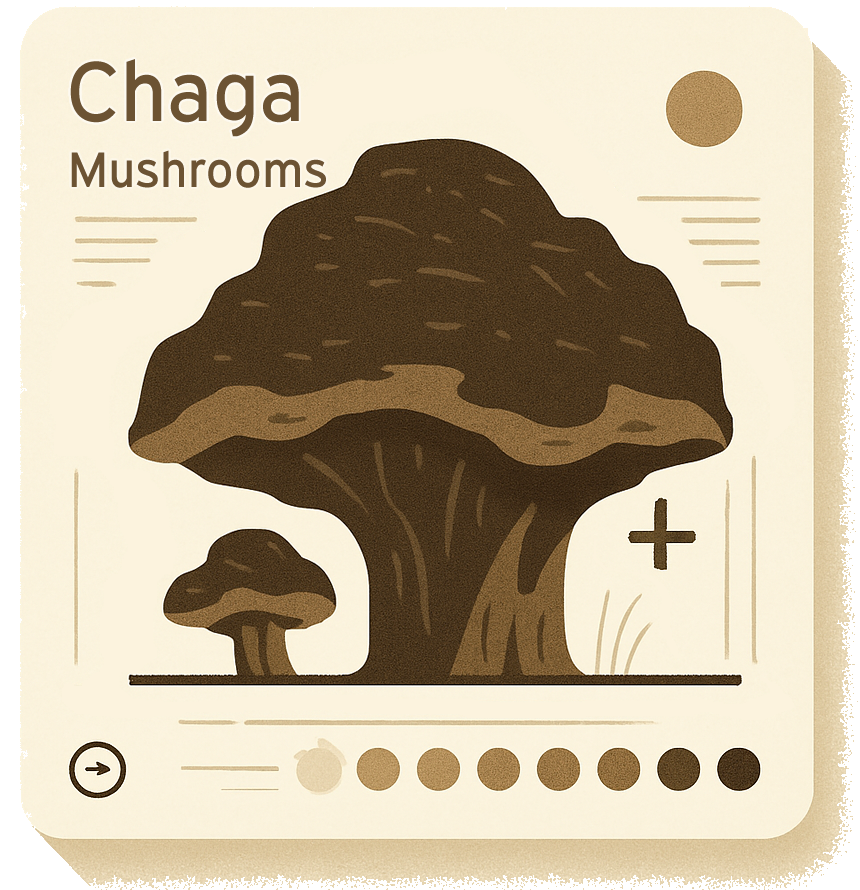
The Chaga mushroom, known scientifically as Inonotus obliquus, is much more than a common mushroom; nicknamed"the black diamond" for its dark appearance and therapeutic value, it has emerged as a prot...
Chitin is a tough polysaccharide that forms part of the cell wall of most fungi and of the exoskeleton of insects and crustaceans. It is the second most abundant polysaccharide in nature, after cellulose.
In fungi, chitin gives rigidity to the cell wall of the hyphae and makes up between 1% and 20% of its weight, although it is not present in all species. It is very similar to cellulose, the material of plant cell walls, except for the nitrogen it contains. Its derivative, chitosan, is obtained by removing acetyl groups and has industrial applications.
Did you know? Chitin was discovered in fungi. In 1811, the French chemist Henri Braconnot isolated it from mushrooms and called it fungine. Twelve years later, Antoine Odier found it in the outer covering of insects and renamed it chitin, from the Greek khitōn, “tunic”.
A clamp connection is a small hook-shaped structure that forms next to the septa of the hyphae of many basidiomycetes when a cell divides. In some languages its name comes from the Latin fibula, the brooch the Romans used to fasten their clothes.
Its function is to share out the nuclei correctly in the secondary mycelium, the dikaryon, which has two different nuclei per cell. When the cell divides, one of the nuclei passes through the hook, which then fuses with the neighbouring cell, so that each daughter cell receives one of each type. In the species that form them, they only appear in mycelium with two nuclei, so in cultivation they show that two mycelia have joined correctly. Their presence or absence is also a feature of microscopic morphology that helps to separate genera and species.
Did you know? Clamp connections are preserved in fossils and are used to recognise the oldest basidiomycetes. The oldest known, about 330 million years old, were found inside the stem of a fossil fern, in a rock from Esnost in central France. They are about 25 million years older than the oldest basidiomycete fossil known until then.
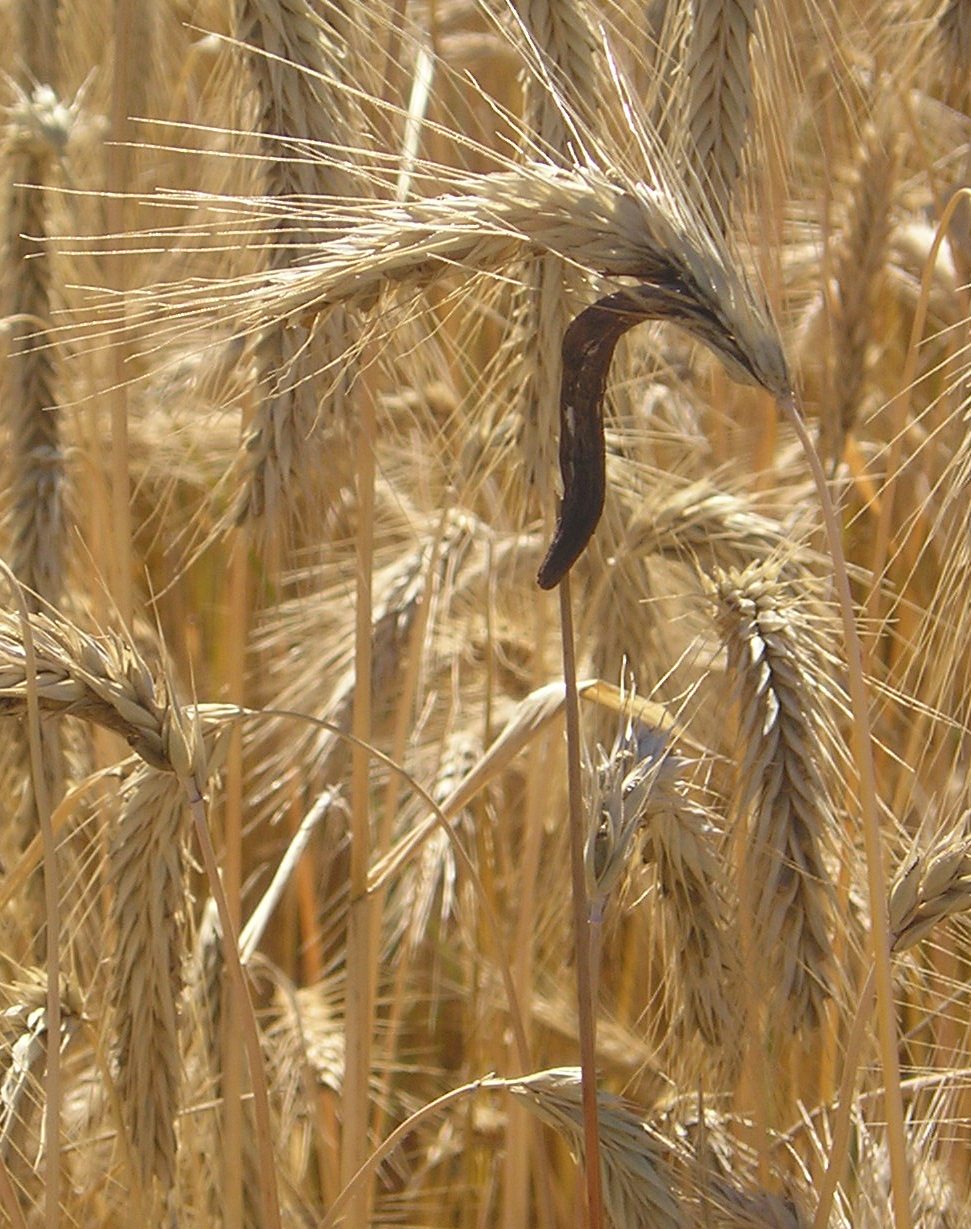
Claviceps purpurea is a parasitic ascomycete fungus of the ovaries of grasses, especially rye, wheat and barley. It replaces the grain with a hard, dark, elongated, horn-shaped structure, its sclerotium, known as ergot.
The sclerotium is how it survives the winter, and it contains alkaloids derived from lysergic acid. If it ends up mixed into flour from infected cereals, it causes ergotism, the disease formerly known as St Anthony’s fire. These same alkaloids, from which Albert Hofmann synthesised LSD in 1938, are also of pharmaceutical interest.
Did you know? The fungus that caused medieval poisoning epidemics is now a source of active ingredients for medicines: its alkaloids and their derivatives are used against migraine, to control bleeding after childbirth and in the treatment of Parkinson’s disease.
Cloning is a growing technique that consists of starting a new culture from a fragment of the internal tissue of a mushroom, placed on agar under sterile conditions. The mycelium that grows is genetically identical to that of the original mushroom.
A mushroom is made of tightly packed hyphae, and a small piece of its flesh, placed on a nutrient medium, grows back as mycelium. That is why a particular specimen can be “copied”. Spores, on the other hand, are the result of sexual reproduction, and each one combines genes differently, so their offspring vary. Cloning makes it possible to keep the traits of a chosen mushroom, such as its size, vigour or shape, and it is the basis for fixing a strain. The fragment is taken from inside the stem or the base of the cap, the area least exposed to the air, and the work is done in a laminar flow hood or a very clean environment. Some varieties, such as Enigma, produce hardly any spores and can only be propagated this way.
Did you know? A clone does not last for ever. When a culture is transferred again and again from dish to dish, it can gradually lose vigour or even the ability to form mushrooms, a phenomenon known as strain degeneration. The most studied case is Cordyceps militaris, whose cultivated strains often stop fruiting after several transfers. That is why culture collections always keep an original copy in storage, in sterile water or frozen, and go back to it when the working strain runs out.
Cobweb mould is contamination caused by fungi of the genus Cladobotryum and similar ones, which form a greyish, very fine, aerial mycelium like a spider’s web over the substrate and the mushrooms.
It appears mainly with high humidity and poor air exchange, and spreads very quickly across the surface of the substrate, over the cultivated mycelium and even onto the mushrooms. Over time it produces spores in abundance, which spread easily. Many growers hold it back by removing the affected area or spraying it with hydrogen peroxide, and they correct the air exchange. How to tell it apart from healthy mycelium is explained under aerial mycelium.
Did you know? Cobweb mould is a relative of the lobster mushroom. Cladobotryum is the asexual stage of fungi of the genus Hypomyces, the same genus as Hypomyces lactifluorum, described under mycoparasitism. These are fungi that feed on other fungi, which is why in commercial button mushroom growing this mould causes a well-known disease that attacks the mushrooms directly.
Colonisation is the process by which the mycelium gradually spreads through the whole substrate, absorbing its nutrients until it has taken it over completely. It is the central stage of mushroom growing, between inoculation and fruiting.
After the substrate has been inoculated with spores, liquid culture or grain spawn, a period of growth begins in which there are no visible signs of mushrooms, only the gradual advance of fine white filaments. This stage requires stable conditions of temperature, humidity and darkness, since direct light and environmental fluctuations can slow the process or encourage contaminants. Its length varies widely depending on the species, the substrate and the conditions. Only once the substrate is fully colonised is the change in conditions (more light, ventilation and, often, a drop in temperature) introduced to bring on fruiting.
Did you know? Colonisation does not only make mushrooms: it also makes materials. By letting mycelium colonise straw, sawdust or rice husks, light, biodegradable foams are obtained that can be used as packaging or insulation, an alternative to polystyrene that has been developed on an industrial scale since 2007.
Contamination is the unwanted presence of foreign organisms, such as moulds, bacteria or insects, in a fungal culture. These organisms compete with the mycelium for food and space, and can slow its growth or destroy it.
A properly treated substrate leaves little competition, but any microorganism that survives or gets in later can multiply quickly. The most common routes of entry are poorly sterilised or pasteurised grain or substrate, contaminated inoculum, unhygienic handling and unfiltered air. If a green, black or pink mould appears, the affected material should be thrown away. It should not be confused with the bluing that psilocybin species show when bruised, which is a reaction of the fungus itself.
Types of contamination:
Did you know? A contamination changed the history of medicine. According to the classic account, in September 1928 Alexander Fleming found one of his bacterial culture plates invaded by a blue-green mould, surrounded by a halo where the bacteria did not grow. The mould belonged to the genus Penicillium, now classified as Penicillium rubens, and penicillin came from it. Historians debate how far it all happened exactly that way.
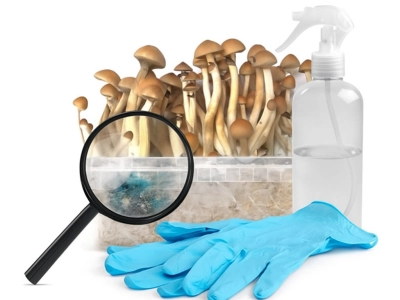
Contamination is one of the biggest challenges in mushroom cultivation. Learn how to identify, prevent and act in time to protect your crop safely and effectively.
Read moreContraindications are the personal, medical or pharmacological situations in which taking a substance carries a particularly high risk and is advised against.
Clinical trials with psilocybin exclude people with a personal or family history of psychosis or bipolar disorder, because the substance could trigger or worsen an episode. Cardiovascular disease is also taken into account, since it temporarily raises blood pressure and heart rate, as is pregnancy, for lack of safety data. Among interactions, the most worrying is with lithium, which has been associated with seizures; monoamine oxidase inhibitors can intensify and prolong the effects, and some antidepressants alter them. For a fuller overview, see our article on the risks and contraindications of psilocybin.
Did you know? The risk with lithium was detected by reading what users themselves reported. In 2021, a team at Johns Hopkins University analysed trip reports published online and found that 47% of the 62 cases in which lithium had been combined with a classic psychedelic described seizures. With another mood stabiliser, lamotrigine, none of the 34 reports analysed mentioned them.
Coprophilous describes a fungus that lives and fruits on dung, especially that of herbivorous animals. The term comes from the Greek kópros, “dung”, and phílos, “friend”.
Herbivore dung is a substrate rich in half-digested plant matter and nitrogen, and different groups of fungi colonise it in succession, from the fastest moulds to mushrooms. Many coprophilous species have spores adapted to pass through animals’ digestive tracts, which deposit them with their dung in a new place. Psilocybe cubensis and Panaeolus cyanescens are coprophilous, which is why their cultivation relies on manure-based substrates or mixes such as CVG.
Did you know? The fungus Pilobolus, whose name means “hat thrower”, grows on cowpats and fires its spore packets up to two and a half metres, aiming at the light. It does so with an acceleration of about 20,000 times that of gravity. This carries the spores away from the cowpat, which cattle avoid when grazing, and leaves them on clean grass, where an animal will eat them and return them to the dung.
Cordyceps militaris is an entomopathogenic fungus known as the scarlet caterpillar club, which forms orange clubs from insect larvae or pupae, mainly those of moths and butterflies. It is the type species of the genus Cordyceps, described by Linnaeus in 1753 as Clavaria militaris.
Unlike the caterpillar fungus, it is easy to grow on artificial media, for example on rice or silkworm pupae. It has been an approved food in China since 2009, and in traditional medicine it is used as a cheaper alternative to the caterpillar fungus. It contains cordycepin, in amounts that one review puts above those of the wild caterpillar fungus.
Did you know? The compound that made cordyceps famous was not discovered in the very expensive caterpillar fungus but in its orange relative. Cordycepin was isolated in 1950 from cultures of Cordyceps militaris, in a paper published in Nature by Cunningham and his team, and it has been studied as a possible drug ever since.
The cuticle is the outer layer, or “skin”, of a mushroom’s pileus. Its technical name, when observed under the microscope, is pileipellis. It can be slimy, dry, fibrillose, smooth or scaly.
Its texture, colour and appearance are macroscopic identification features. Under the microscope, the arrangement of the hyphae that form it (cutis, trichoderm, epithelium or hymeniderm) is an important taxonomic character. In some species, such as certain brittlegills (Russula), the cuticle can be peeled away from the cap, and this trait helps to tell them apart.
Did you know? An old folk rule says that mushrooms whose cap peels easily are edible. It is false, and dangerous: the cuticle of Amanita phalloides, responsible for the vast majority of fatal mushroom poisonings, peels off without difficulty. The only reliable approach is rigorous identification of the whole specimen.
CVG stands for coir, vermiculite and gypsum. It is a bulk substrate mix widely used in home growing, especially for species that grow on dung, such as Psilocybe cubensis.
Each ingredient plays a different role. Coir, obtained from coconut husks, holds a lot of water without compacting. Vermiculite, a mineral, retains moisture, aerates the mix and buffers changes in pH. Gypsum supplies calcium and sulphur and stops the mix from clumping, although it is not strictly essential. It is a nutrient-poor substrate, which reduces the risk of contamination: the food comes from the grain spawn it is mixed with. Before use it is heat-treated by pasteurisation.
Did you know? The coir in CVG was for a long time a worthless waste product. In India it piled up by the roadside and smouldered, because it was also hard to burn, until horticulture began to use it as a substitute for peat. Since coconut palms usually grow near the sea, the fibre can contain a lot of salt, so it is washed to reduce it before being sold.
A cystidium is a sterile cell, usually larger than the basidia, found in the hymenium and on other surfaces of the mushroom. It does not produce spores.
Depending on where they are found, they have different names: cheilocystidia on the edge of the gills, pleurocystidia on their faces, caulocystidia on the stem and pileocystidia on the cap. Their shape, size and contents are key features of microscopic morphology, and in genera such as Psilocybe or Inocybe they help to separate species that look identical to the naked eye. Their function is not fully understood: they are thought to play roles in protection, secretion and support.
Did you know? In some mushrooms, cystidia work as props. In inkcaps, certain cystidia span the gap between two gills and attach to both, keeping them apart while the cap expands. The mycologist Reginald Buller described this in 1910: when he forced two gills apart, the cystidia were torn away from one of them and stayed stuck to the other.
The default mode network is a set of brain regions that work together when we are not focused on a task: when we daydream, remember, imagine the future or think about ourselves.
It includes areas such as the medial prefrontal cortex and the posterior cingulate, and it is linked to the sense of self and to rumination, thinking that keeps circling back on oneself. Brain imaging studies from 2012 and 2024 have shown that psilocybin reduces its activity and desynchronises it while the effects last, and that some differences persist weeks later. That loss of coordination is linked to ego dissolution and is being studied as a possible basis for the therapeutic effects.
Did you know? The network was discovered while looking for something else. In the late 1990s, the neuroscientist Gordon Shulman pooled data from nine studies involving 134 people to locate a brain system for attention. Instead he found a group of regions that switched off when the volunteers concentrated on a task. In 2001, Marcus Raichle gave it a name: it was the “default” activity of a brain that, at rest, is never still.
A dichotomous key is a tool for identifying living things that works like a path of questions with two possible answers. At each step you choose between two opposing options, and each choice leads to the next question, until you reach the name of the family, genus or species.
In mycology, the questions refer to features that can be checked: whether the mushroom has gills or pores, what colour its spore print is, whether it has a volva or a ring, what substrate it grows on or what its spores look like under the microscope. It is much more reliable than comparing photographs, because it relies on features that remain constant rather than on general appearance, which changes with the age of the specimen, the weather or the light.
Did you know? The first dichotomous key was published by the French naturalist Jean-Baptiste Lamarck in 1778, in his work Flore françoise. Until then, identifying a plant or a fungus meant comparing long descriptions in entire books; with Lamarck’s method, anyone could arrive at the name of an unknown specimen by answering a chain of simple questions.
A dikaryon is a cell or hypha containing two genetically different nuclei that coexist without fusing. It is a characteristic stage in the life cycle of ascomycetes and, above all, basidiomycetes.
It forms when two compatible mycelia join and share their cell contents, but their nuclei do not fuse: they will do so much later, in the basidium or the ascus, just before the spores form. In basidiomycetes, the dikaryotic mycelium is the secondary mycelium, the dominant stage and the only one able to form mushrooms. In many species, a small hook-shaped structure, the clamp connection, makes sure that when the cell divides each daughter cell receives one of each nucleus. That is why a single isolated spore is not usually enough to produce mushrooms, as explained under spore syringe, and why the button mushroom, whose spores already carry two nuclei, is an exception.
Did you know? This stage is so characteristic that it gives its name to a whole group: together, ascomycetes and basidiomycetes form the subkingdom Dikarya. Almost all mushrooms go through this stage of two nuclei in a single cell at some point.
Drying is the removal of water from mushrooms in order to preserve them. A fresh mushroom is about 90% water, and it loses most of its weight as it dries.
The most common method is a dehydrator at a moderate temperature, with constant airflow, until the mushrooms are brittle and snap cleanly instead of bending. They are then stored in airtight containers, with a desiccant such as silica gel, in a cool, dark place. Excessive heat, light and moisture degrade the alkaloids, especially psilocin, which oxidises easily, and incomplete drying encourages moulds. That is why drying and storage affect the final potency.
Did you know? Freezing fresh mushrooms seems a good way to preserve them, but a Czech study from 2021 found the opposite. Comparing different methods with Psilocybe cubensis, the fresh mushrooms stored at minus 80 degrees lost the most psilocybin and related alkaloids, while the dried ones kept in the dark at room temperature preserved them best.
Ectomycorrhizae are a type of mycorrhiza in which the fungal hyphae wrap around the plant’s roots like a mantle, without entering their cells.
The fungus forms a sheath around the tree’s finest rootlets and slips between the root cells, forming a network, the Hartig net, where nutrients are exchanged. They are far less common than endomycorrhizae in terms of number of species, but they occur in almost all the large trees of temperate and boreal forests: pines, oaks, beeches and birches. Many of the most prized mushrooms in cooking, such as porcini and saffron milk caps, are ectomycorrhizal and only appear under particular trees, as explained under habitat.
Did you know? Almost all the porcini and saffron milk caps on sale have been picked in the wild. Because they need the living root of a tree to complete their cycle, these fungi cannot be grown on a substrate, as button or oyster mushrooms are. The only way to “grow” them is to plant mycorrhized trees from a nursery, as in truffle farming, and wait years for them to fruit.
Ego dissolution is the temporary loss of the sense of being a “self” separate from one’s surroundings, which can occur in intense psychedelic experiences. It is also known as ego death.
It is one of the central features of the mystical experience and occurs mainly with high doses, such as the so-called heroic dose. It can be experienced as unity and calm or, if the person resists, as an intense fear of dying or going mad, which can turn it into a bad trip. In 2016, a team at Imperial College London created an eight-item questionnaire to measure it, the Ego-Dissolution Inventory. In the brain it is linked to a loss of coordination in the default mode network.
Did you know? The expression “ego death” was popularised by a manual. In 1964, Timothy Leary, Richard Alpert and Ralph Metzner published The Psychedelic Experience, a guide to LSD experiences based on the Tibetan Book of the Dead. Two years later, John Lennon bought it in a London bookshop, followed its instructions and took phrases from it for “Tomorrow Never Knows”, the song that closes the album Revolver.
Endomycorrhizae are a type of mycorrhiza in which the fungal hyphae enter the root cells, unlike ectomycorrhizae, which stay outside. It is the most widespread type of mycorrhiza in nature.
The most common form is the arbuscular mycorrhiza, formed by fungi of the phylum Glomeromycota. Inside the root cells, the hyphae branch into small tree-like structures, the arbuscules, where nutrients are exchanged, and sometimes they also form vesicles, which act as stores. It occurs in most herbaceous plants, including almost all cereals, vegetables and fruit trees, which is why these fungi are sold as inoculants to improve crops.
Did you know? Endomycorrhizae are almost as old as land plants. The partnership with fungi similar to today’s is thought to have helped the first plants colonise dry land more than 400 million years ago, when they did not yet have true roots. Devonian fossils such as Aglaophyton major preserve structures within their tissues that are almost identical to modern arbuscules.
An endophyte is a fungus that lives inside the tissues of a plant, for all or a large part of its life, without causing symptoms of disease.
They are found in leaves, stems, bark and roots, and most plants harbour some. Their relationship with the plant varies: some seem to strengthen its tolerance of drought, pests or toxins, as explained under symbiotic fungi, and many produce biologically active compounds that are being studied as a possible source of medicines.
Did you know? In 1993, Science published a report that Taxomyces andreanae, an endophytic fungus of the Pacific yew, produced taxol, an anti-cancer drug that until then could only be extracted from the tree itself. The news held out the promise of making it by fermentation without felling yews. However, the amount detected was tiny, 24 to 50 nanograms per litre, and later work has questioned whether that fungus really produces it. In 2013, a German team isolated 34 fungi from yew bark and none of them turned out to be able to make it on its own.
An entheogen is a substance, usually of plant or fungal origin, that brings about an altered state of consciousness to which spiritual meaning is attributed. The term was proposed in 1979 as an alternative to “hallucinogen” and “psychedelic”.
The word comes from the Greek éntheos (“god within”) and genesthai (“to come into being”), and is usually translated as “generating the divine within”. Its authors considered the term “hallucinogen” unsuitable because of its etymological connection with words linked to delirium and madness. Today it is sometimes used as a synonym for psychedelic and sometimes to contrast ceremonial with recreational use. Substances included in this category include psilocybin, peyote and ayahuasca.
Did you know? The term was born in a note barely two pages long, published in 1979 in the Journal of Psychedelic Drugs and signed by five authors: Carl Ruck, Jeremy Bigwood, Danny Staples, Jonathan Ott and R. Gordon Wasson. The last of these was the same man who in 1957 had introduced the Mexican mushroom veladas to the Western world.
The entourage effect is a hypothesis according to which the different compounds in an organism act synergistically, so that the effect of the whole would be different from, and sometimes greater than, that of each molecule on its own. Its name comes from the French word entourage, meaning a retinue or group of attendants.
Applied to psilocybin mushrooms, it suggests that accompanying alkaloids such as baeocystin could modulate the action of psilocybin. A 2009 study in mice found that an extract of Psilocybe argentipes reduced a behaviour used as a model of obsessive-compulsive disorder more than the same dose of pure psilocybin did, but it is not yet known which compounds are responsible or whether the same happens in humans. Part of the scientific community considers the evidence still insufficient.
Did you know? The concept was not born in cannabis or mushrooms, but in the study of our own bodies. In 1998, a team led by Raphael Mechoulam and Shimon Ben-Shabat observed that certain “inactive” endogenous molecules boosted the activity of the endocannabinoid 2-AG. The neurologist Ethan Russo extended the idea to cannabis in 2011, and from there it later jumped to the world of fungi.
Ergotism is poisoning caused by eating cereals contaminated with ergot, the sclerotium of Claviceps purpurea. In the Middle Ages it was known as St Anthony’s fire, because of the burning sensation it caused in the hands and feet.
Ergot alkaloids, such as ergotamine, constrict the blood vessels, and the disease took two forms: a gangrenous one, in which fingers, toes and limbs turned black and could even fall off, and a convulsive one, with spasms, hallucinations and delirium. From the 9th century onwards there were great epidemics in Europe, and around 1095 the Order of St Anthony was founded in France to care for the sick. It almost disappeared as grain cleaning improved. It has been suggested that it played a part in episodes such as the Salem witch trials of 1692, a much-disputed hypothesis.
Did you know? One of the great works of European painting was made for people suffering from ergotism. Between 1512 and 1516, Matthias Grünewald painted the Isenheim Altarpiece for the chapel of the hospital the Antonine monks ran in that town in Alsace, where they cared for those afflicted by St Anthony’s fire. Its twisted, sore-covered figures have been linked to the symptoms the monks saw every day.
Ethnomycology is the discipline that studies the relationships between human societies and fungi from a historical, cultural and sociological perspective. It is considered a branch of ethnobotany and covers all the uses humans have made of fungi: as food, medicine, ritual or symbol.
It was formally founded by the married couple Robert Gordon Wasson and Valentina Pavlovna Wasson in the 1950s, on the basis of their research into the ritual use of mushrooms in Mexico. To do so, they combined mycological data with data from history, religion, linguistics, mythology, art and archaeology. One of their central ideas is the distinction between peoples who revere fungi (mycophilia) and peoples who fear or reject them (mycophobia). It is also the discipline that studies phenomena such as teonanácatl or the use of entheogens in ceremonial settings.
Did you know? Its own definition has grown over time. In 1957, Wasson framed it as the “study of the role played by magic mushrooms in the history of primitive societies”, and it was he himself who, decades later, broadened it to the relationships between societies and fungi in general, not just psychoactive ones. Today it covers everything from edible to medicinal fungi.
Field capacity is the maximum amount of water a substrate can hold after the excess has drained away. A substrate at field capacity is soaked but does not release free water.
It is the moisture level growers aim for when preparing substrates such as CVG. The usual test is to squeeze a handful: only a few drops should fall. If none fall, the substrate is too dry and colonisation will be slow; if water streams out, there is too much moisture, and the excess favours bacteria and increases the risk of contamination. Materials such as coco coir and vermiculite are used precisely because they hold a lot of water without becoming waterlogged.
Did you know? The term was not born in mushroom growing but in agronomy. The American researchers Frank Veihmeyer and Arthur Hendrickson popularised it in 1931 to describe the water a soil retains a few days after heavy watering, once the surplus has drained away. Mushroom growers repeat the same measurement in miniature every time they squeeze a handful of substrate.
A flashback is the brief, unexpected return of the effects of a psychedelic experience, mainly visual ones, days, weeks or even months after the substance has left the body. When these disturbances persist and cause distress, the condition is called hallucinogen persisting perception disorder, or HPPD.
HPPD is included in the DSM-5, the American psychiatric diagnostic manual. It can occur as isolated episodes, flashbacks in the strict sense, or as an ongoing perceptual disturbance, with trails behind moving objects, halos around lights or visual snow, a speckling like that of a television without a signal. It is mainly associated with LSD, but also with psilocybin. Many cases resolve over time.
Did you know? Flashbacks soon became the subject of legends. In the 1960s and 1970s it was even said that LSD was stored in the spinal cord or in fat and released years later, triggering a new trip without warning. It is not true: the body eliminates the substance within hours or a few days, and the origin of these phenomena is sought in the brain itself.
A flush is each of the successive periods of abundant fruiting from the same substrate, separated by resting phases. In commercial mushroom growing it is also called a break.
After the first harvest, the mycelium can produce new flushes as long as nutrients remain in the substrate. Each one begins with the appearance of primordia and comes in waves: in the oyster mushroom, for example, mushrooms appear in large numbers for several days, there is a pause of ten to twenty days, and then they appear again. Species differ: shiitake usually gives a smaller first flush, but makes up for it with regrowth over several months.
Did you know? The harvest is not shared equally between flushes. According to Pleurotus growing manuals, the first flush commonly accounts for around half of the total yield, the second for 30 to 35% and the last for the rest, which is why keeping a crop going beyond the third flush is often not worth it.
Fresh air exchange is the renewal of air in the growing environment to remove the carbon dioxide produced by the mycelium and the mushrooms and to supply oxygen. Growers often call it FAE.
Fungi breathe as animals do: they consume oxygen and give off CO₂. During colonisation, the mycelium tolerates stale air well, but during fruiting excess CO₂ produces mushrooms with long stems and small caps, and encourages aerial mycelium. Too much ventilation, on the other hand, dries out the air and can stall the primordia. That is why fruiting chambers aim for a balance between air and humidity, with holes, regular airing or fanning the container.
Did you know? The enoki you find in the supermarket is the result of deliberately denying it fresh air. In the wild, Flammulina forms brown mushrooms with short stems and large caps. In cultivation it is kept in the dark in a CO₂-rich atmosphere, often inside bottles with a collar, and so it grows in clusters of long, thin, white stems with tiny caps.
Fruiting is the stage in a fungus’s life cycle in which the mycelium stops growing vegetatively and forms fruiting bodies, the visible reproductive structures we know as mushrooms.
Fruiting is triggered when the mycelium, having fully colonised the substrate, detects a sudden change in environmental conditions: more light, more air exchange, a drop in temperature or a rise in humidity. The process begins with the appearance of primordia, small bumps on the surface of the substrate which, if conditions remain favourable, develop into mature fruiting bodies with a distinct cap and stem. Once the first crop has been harvested, the mycelium can produce new waves, or flushes, if there are still enough nutrients left in the substrate.
Did you know? A mushroom can fire electrical impulses like a neuron. In 2018, Andrew Adamatzky recorded trains of impulses resembling neuronal action potentials in pink oyster mushrooms (Pleurotus djamor). When one mushroom was heated, its neighbour in the same cluster reacted before it did. What this means is still debated: it may be a form of communication, a by-product of calcium waves inside the cells, or it may mean nothing at all.
Fruiting body (also called a carpophore or sporocarp) is the general term for the reproductive structure of a fungus, that is, the visible structure we usually associate with the word “mushroom”. It works as a broad synonym of ascoma or basidiocarp, although these two are more precise terms, specific to each of the two great groups of fungi.
The word carpophore comes from the Greek karpós (fruit) and phorós (bearer), and literally means “fruit bearer”. In mycology it is used as an umbrella term when there is no need to specify whether a fungus is an ascomycete or a basidiomycete, or simply to refer to the visible, recognisable part of the fungus, as opposed to the mycelium, its vegetative part hidden underground or inside the substrate.
Did you know? The largest fruiting body known is not a capped mushroom but a polypore. In 2010, the mycologists Bao-Kai Cui and Yu-Cheng Dai found a specimen of Phellinus ellipsoideus growing on a fallen trunk on the Chinese island of Hainan: it was almost 11 metres long, and they calculated that it weighed between 400 and 500 kilos.
A fruiting chamber is an enclosed space that maintains the conditions mushrooms need to form: high humidity, air exchange, indirect light and a stable temperature. It can be anything from a plastic box to a grow room.
In home growing, the best known is the shotgun fruiting chamber: a transparent container drilled with holes on all sides, with a layer of damp perlite at the bottom to keep the humidity up. For larger volumes, shelving units covered with plastic are used, and some methods, such as the monotub, work as both growing container and chamber. In every case, the key is to balance humidity with fresh air exchange: without humidity, the primordia dry out; without air, CO₂ builds up and the mushrooms become deformed.
Did you know? The first large-scale fruiting chambers were underneath Paris. In the 19th century, growers took over the abandoned stone quarries beneath the city, with their constant temperature and humidity, and by the end of the century there were around 250 producers. That is where the French name champignon de Paris comes from. The building of the Métro gradually drove them out, and today only a few remain.
“Functional mushrooms” is a marketing label for mushrooms and fungi consumed for their possible health effects, beyond their value as food. It is neither a scientific nor a legal category.
The term comes from the concept of functional food, which was proposed in Japan in the early 1980s. It usually includes reishi, lion’s mane, cordyceps, chaga, turkey tail, shiitake and maitake. It overlaps with the concept of the adaptogen, but is broader. Not all products are the same: some use the fruiting body and others mycelium grown on cereal, which includes the ground grain and can contain a lot of starch. In the European Union there are no authorised health claims for these fungi.
Did you know? Mushrooms are the main source of a molecule that has been called the “longevity vitamin”. In 2018, the biochemist Bruce Ames proposed that name for ergothioneine, an antioxidant the body does not make and obtains from the diet. Of thirteen mushrooms analysed at Pennsylvania State University in 2017, the one that contained the most was the porcini (Boletus edulis). Whether it helps us live more years in good health has yet to be shown.
Fungal antibiotics are substances produced by fungi that kill bacteria or slow their growth and are used as medicines. The best known are the penicillins and the cephalosporins, which belong to the group of beta-lactam antibiotics.
Many fungi make antibacterial substances, probably because they compete with bacteria for space and food. Penicillin comes from Penicillium (the story of its discovery is told under contamination) and the cephalosporins from Acremonium. Today they are produced industrially with improved strains of those fungi, and many current antibiotics are semi-synthetic derivatives of the original molecules.
Did you know? The man who discovered cephalosporins had to found his own journal to publish them. In 1945, Giuseppe Brotzu, rector of the University of Cagliari in Sardinia, noticed that the seawater near a sewage outlet seemed to clean itself and that people who bathed there did not catch typhoid fever, which was common in the area. He isolated a fungus from that water, found that it held back several bacteria and used its extracts with some success on typhoid patients. Since no scientific journal would accept his work, he published it in 1948 in one he created himself, and years later a team in Oxford isolated cephalosporin C from the fungus.
Fungal bioluminescence is the ability of some fungi to give off their own light, usually a greenish glow. Around 130 bioluminescent species are known, all of them basidiomycetes of the order Agaricales. Depending on the species, it is the mycelium, the whole mushroom or only one part that glows, such as the gills in the genus Omphalotus.
The light is produced when an enzyme, luciferase, oxidises a molecule, luciferin, which the fungus makes from caffeic acid, a very common compound in plants and fungi. That pathway, described in 2018, was the first known luciferin production pathway in a eukaryotic organism. What it is for has not been fully settled, and the best-supported hypothesis is that it attracts insects that disperse the spores.
Did you know? In a coconut forest in northern Brazil, a team found that the mushroom Neonothopanus gardneri glows according to an internal clock, mostly at night. To see whether the light attracted insects, they placed plastic mushrooms with green lights among the trees, and many insects came. It is the best clue that the glow serves to get insects to carry the spores elsewhere.
Fungal fermentation is the process by which fungi, including yeasts, transform organic substances through their metabolism to produce foods, drinks or industrial products. Strictly speaking, fermentation means obtaining energy without oxygen, as yeasts do; in biotechnology, the term is also used for any culture of microorganisms used to make a product.
Yeasts ferment the sugars in bread, beer and wine. But moulds ferment too: Aspergillus oryzae, the koji mould, transforms rice and soybeans into sake, miso and soy sauce; Rhizopus, a zygomycete, is used for tempeh; Penicillium roqueforti for blue cheeses; and Aspergillus niger to produce citric acid on an industrial scale.
Did you know? Japan has a national fungus. The koji mould, Aspergillus oryzae, has been used for more than a thousand years to make sake, miso and soy sauce, and on 12 October 2006 the Brewing Society of Japan declared it the “national fungus” (kokkin), at the suggestion of Professor Eiji Ichishima of Tohoku University.
A fungal pathogen is a fungus able to cause disease in another organism, whether a plant, an animal or a person. It usually behaves as a parasite: it feeds on its host and harms it.
In plants, fungal pathogens cause diseases such as rusts, smuts, powdery mildews, rice blast or corn smut, caused by Ustilago maydis, with heavy agricultural losses. In animals and people, fungi such as Candida or Aspergillus can cause infections, especially when the immune system is weakened. Some diseases attributed to fungi, such as downy mildew, are actually caused by oomycetes.
Did you know? A single fungus has contributed to the decline of more than 500 amphibian species. According to a 2019 global assessment, the chytrid fungus Batrachochytrium dendrobatidis, described in 1999, has affected at least 501 species, 6.5% of those known, and 90 of them are presumed extinct. Its authors consider it the greatest loss of biodiversity attributed to a disease.
A fungicide is a substance, chemical or biological, that kills fungi or slows their growth. It is used mainly to protect crops, and also to preserve food, wood and other materials. In medicine, drugs that act against fungi are called antifungals.
Among the oldest are copper compounds and sulphur. There are also biological fungicides, based on other organisms, such as some species of Trichoderma. Many fungicides also act against oomycetes, fungus-like organisms that cause diseases such as downy mildew of the vine.
Did you know? The first modern fungicide was born from a way of deterring grape thieves. In the late 19th century, in the vineyards of Bordeaux, the vines next to the roads were sprayed with a mixture of copper sulphate and lime, so that the grapes would look poisoned and taste bitter. It was noticed that those rows escaped downy mildew, and in 1885 the botanist Pierre-Marie-Alexis Millardet published his finding that the mixture worked against the disease. It is known as Bordeaux mixture and, more than 140 years later, it is still indispensable in organic winegrowing.
A fungus is a eukaryotic organism of the kingdom Fungi that feeds by absorbing nutrients after digesting them outside its body, and whose cells have walls containing chitin. It is neither a plant nor an animal: fungi form a kingdom of their own.
Fungi include very different organisms: single-celled yeasts, moulds, mushrooms and the fungi that form lichens. Most grow as a network of hyphae, the mycelium, and reproduce by means of spores. The word “fungus” refers to the whole organism, and what we usually see and pick, the mushroom, is only its fruiting body.
Did you know? For centuries fungi were thought to be plants, because Linnaeus divided life into two kingdoms, plants and animals. It was not until 1969 that Robert Whittaker proposed in the journal Science giving them a kingdom of their own. We now also know that they are more closely related to animals than to plants: both groups share a common ancestor, a single-celled marine organism with a flagellum that lived roughly a billion years ago.
Galerina marginata is a small brown mushroom, with a cap about 2 to 4 centimetres across, a thin stem with a fragile ring and a rusty-brown spore print, which grows in groups on dead or buried wood. It contains amatoxins, the same deadly toxins as Amanita phalloides.
It causes serious poisonings because it is mistaken for mushrooms that foragers look for: for edible stump mushrooms and, above all, for psilocybin species that grow on wood, such as Psilocybe cyanescens, with which it sometimes shares the same spot. Two features help to tell them apart: the spore print, rusty brown in Galerina and dark purplish brown in Psilocybe, and bluing, which Galerina does not show. Even so, in a mixed group every specimen must be checked, because a single one is enough to cause poisoning.
Did you know? For decades, several mushrooms that were in fact the same were described as different species. In 2001, the Norwegian mycologist Gro Gulden and her colleagues compared their DNA and concluded that Galerina autumnalis, the autumn skullcap of North American field guides, and three other species were all Galerina marginata. That is why the same deadly fungus appears under different names in books from different periods.
Germination is the process by which a spore comes out of dormancy and begins to grow, putting out a tube that lengthens and branches to form hyphae. It is the first step in the life cycle of a fungus.
Before germinating, the spore absorbs water, swells and reactivates its metabolism. It needs moisture, nutrients and a suitable temperature, and in some species a specific signal, such as the presence of certain substances or a burst of heat. In cultivation, it is the slowest and most delicate stage of inoculating with a spore syringe: the spores take days to wake up, and meanwhile the substrate is exposed to contamination. That is why many growers first germinate the spores on agar and then transfer the clean mycelium to grain, or use liquid culture directly.
Did you know? Some spores wait for fire. The ascospores of the mould Neurospora crassa remain dormant until they receive a burst of heat, such as half an hour at 60 °C, or come into contact with furfural, a substance formed when plant debris burns. That is why this orange mould is one of the first to appear after a fire.
Gills are structures shaped like thin vertical plates arranged under the pileus of many mushrooms, running from the margin of the cap to the stem. They are a type of hymenium, the surface on which the spores are produced.
Their arrangement multiplies the fertile surface available under the cap. The way they join the stem is a key identification feature: they can be free (not touching it, as in Agaricus or Amanita), adnate (joined along their whole width), sinuate (with a notch next to the stem) or decurrent (running down it). Shorter gills, called lamellulae, can also be interspersed between them. Their colour usually changes as they mature and the spores are deposited.
Did you know? The spacing between gills is no accident. A 2019 study compared several wild species and found that the gap between two gills measures almost exactly twice the distance the spore jumps when it is fired from the sterigma, so it falls right down the middle without hitting the opposite gill. This way the mushroom holds as many spores as possible with as little tissue as possible.
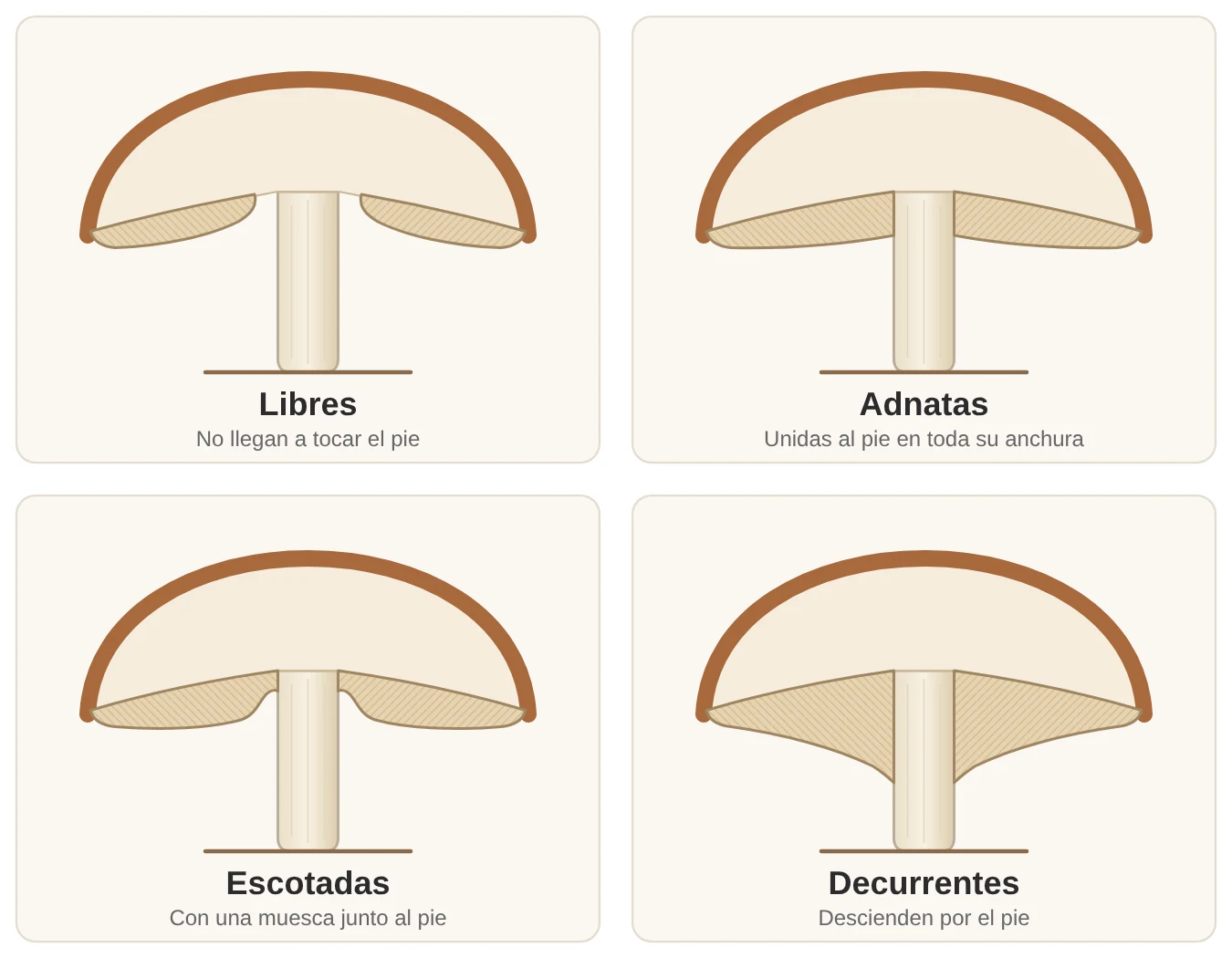
The gleba is the fertile mass inside certain fungi, where the spores are formed. It is typical of fungi whose hymenium is not exposed to the air, such as puffballs, truffles and stinkhorns.
In puffballs it is white and firm when young, and as they mature it turns into a dark powder of spores that escapes through a pore or when the outer skin breaks. In truffles, which are hypogeous, the gleba is the marbled flesh that is eaten, and its spores depend on animals to disperse. In stinkhorns, such as Phallus impudicus, it is a slimy, foul-smelling mass that attracts flies, which carry away the spores stuck to them. When picking puffballs to eat, the gleba must be white and uniform: if the outline of a miniature mushroom can be seen when they are cut open, it may be the egg of an Amanita.
Did you know? The gleba of a giant puffball, Calvatia gigantea, holds a number of spores that is hard to imagine. According to a classic estimate, a specimen about 40 centimetres across can contain around 7 trillion, that is, seven million million. And all it takes is a knock or a raindrop on a ripe puffball for a cloud of them to come out.
Grain spawn is sterilised cereal grain that has been fully colonised by the mycelium of a fungus and is used as inoculum to seed a larger volume of substrate. Growers often call it simply spawn.
The grain acts as a bridge between a small, delicate culture (agar, liquid culture or spores) and the final substrate: a small volume of culture yields a much larger amount of inoculum, which is mixed into the substrate to speed up its colonisation. Grains such as rye, millet, wheat or sorghum are used, although there is also spawn made from sawdust or wooden dowels. Well-colonised grain resists contamination, because the dense growth of the mycelium leaves little space or food for competitors.
Did you know? Until the late 19th century, spawn was obtained from mycelium collected in the wild, and its viability was very unreliable. The change came in 1893, when the Frenchmen Costantin and Matruchot published a method for growing button mushrooms from pure cultures obtained in the laboratory. This made it possible to work with selected strains and laid the foundations of modern commercial spawn.
A grow kit is a product that brings together in a single package everything needed to grow mushrooms at home. There are two types: those that arrive with the substrate already colonised by the mycelium, ready to fruit, and those the user has to inoculate, such as the all-in-one bag.
In pre-colonised kits, the most delicate work, colonisation under sterile conditions, has been done in advance. All the user has to do is create the conditions for fruiting: high humidity, fresh air, indirect light and a temperature suited to the species. With that, primordia appear and, after the first harvest, the kit can produce several more flushes. Because it reduces handling, the main route by which contamination gets in, it is the most advisable format for beginners. For a step-by-step guide, see our growing guide for beginners.
Did you know? A spent kit is not rubbish. Industrial button mushroom growing generates about five kilos of spent substrate for every kilo of mushrooms, and that material, still rich in mycelium and organic matter, is reused as fertiliser, as a soil improver and even in bioremediation projects.
Have you always wanted to grow mushrooms at home but don't know where to start? Discover the perfect solution. A mushroom growing kit is the simplest and most accessible way to enter the world of dome...
Habitat is the ecological setting in which a fungal species grows naturally: the type of forest or ecosystem, the climate and the trees or plants it is associated with. It should not be confused with the substrate, the specific physical surface on which the mycelium takes hold (wood, dung, clay soil) within that wider habitat.
Habitat is not an incidental detail but often a decisive one: many ectomycorrhizal species only appear under a particular genus of tree, while saprotrophic ones are linked to a specific type of wood or organic matter. Knowing a species’ typical habitat helps both to find it in the field and to rule out false identifications based on appearance alone.
Did you know? Some species have a distribution that is hard to explain. Chorioactis geaster, nicknamed the “devil’s cigar”, has only been found growing naturally in two places on the planet: a very small area of Texas (United States) and another in Japan, separated by thousands of kilometres of ocean and with no known population in between. How it came to be in two places so far apart is still unknown.
Harm reduction is a public health approach that aims to reduce the harms associated with drug use without requiring abstinence as a precondition. It starts from the idea that, if a person is going to use a substance, information and support can prevent many problems.
Applied to psychedelics, it includes learning about the substance, its potency and its contraindications; looking after set and setting; having a trip sitter; identifying wild mushrooms rigorously to avoid confusion with toxic species; and taking time for the integration of the experience. In Spain, organisations such as Energy Control have offered information and drug checking since the late 1990s.
Did you know? One of its founding milestones was led by drug users themselves. In 1984, in Amsterdam, the Junkiebond, a drug users’ union, set up one of the first needle exchange programmes, out of concern about the spread of hepatitis B. Shortly afterwards, the arrival of HIV turned initiatives of this kind into a health policy adopted around the world.

Learn in this practical guide to psychedelic first aid the 3 pillars of the sitter (presence, acceptance, and safety) and the intervention protocol. Key principles to maintain safety during an intense journey, with a harm reduction ethic.
Read moreThe heroic dose is an expression popularised by the writer Terence McKenna for a large dose of psilocybin mushrooms, intended to bring about a full experience rather than mild effects. McKenna recommended taking it alone, in silence and in darkness.
It is a common expression among psychonauts, but it is not a clinical term or an amount that applies to everyone: the same weight of mushrooms can contain very different amounts of psilocybin, as explained under potency, and each person responds differently. An experience like this can lead to ego dissolution and makes a bad trip more likely, so set and setting and the company of a trip sitter matter even more. On this point, McKenna’s advice to do it alone clashes with harm reduction guidelines, which also stress the contraindications.
Did you know? McKenna did not invent the expression: he took it from 19th-century medicine. In the “heroic medicine” of the time, with bloodletting, purging and drugs in large quantities, an American medical journal was already warning in 1826 against the “heroic doses of opium or tobacco” that some colleagues gave to tetanus patients.
Hygrophanous describes the cap or flesh of a mushroom that changes colour depending on how much moisture it contains: it is darker, and sometimes translucent, when wet, and becomes paler as it dries.
Drying is not even: it usually starts from the centre or the margin of the cap, and for a while the mushroom shows two tones or a band of a different colour. This complicates identification, because the same specimen can look like two different species depending on the weather. That is why it is worth noting the colour of the mushroom when freshly picked and after it has dried. It is a common feature in Psilocybe and Panaeolus, and the Psilocybe semilanceata entry mentions it as one of its features.
Did you know? One of the most common hygrophanous mushrooms grows in the lawns of parks and gardens: Panaeolina foenisecii, whose epithet means “of the haymakers”. As it dries it shows a very visible band of colour, and it is one of the mushrooms that most confuse beginners looking for psilocybin mushrooms in meadows, although it is not considered psychoactive.
The hymenium is the fertile tissue that lines certain parts of a fungus’s fruiting body and in which the specialised spore-producing cells develop (such as basidia in basidiomycetes or asci in ascomycetes).
The hymenium is the reproductive zone of the fungus, visible on the underside of the cap in many species. Its morphology varies and is a key taxonomic criterion:
Did you know? The hymenium of the shaggy ink cap (Coprinus comatus) digests itself. As the spores mature, the gills dissolve into a black liquid from the edge of the cap upwards, so the part that has already released its spores disappears and lets the rest drop theirs. That liquid has been used as ink for writing and drawing.
A hypha is a microscopic tubular filament that is the basic structural unit of most fungi. Hyphae are made up of elongated cells organised into interconnected networks, and together they form the mycelium.
Through its hyphae, the fungus explores its surroundings and absorbs nutrients from soil, wood or other organic substrates. Their growth and branching give rise to the mycelium, the vegetative part of the fungus, comparable in function (though not in form) to the roots of plants.
Types of hypha: Depending on their structure, hyphae can be septate (with cross-walls) or coenocytic (without cross-walls), which determines how organelles and nutrients are distributed inside them.
Did you know? A hypha can pierce plastic. The fungus that attacks rice, Magnaporthe oryzae, clings to the leaf with a small dome and, inside it, builds up water until it reaches a pressure of about 80 atmospheres, some 40 times that of a car tyre. With that force, an extremely thin hypha sprouts from the base of the dome and pushes through the tough outer layer of the leaf and, in laboratory experiments, even through sheets of plastic. It is cited as the highest pressure known in a living thing.
Hypogeous describes a fungus whose fruiting body develops underground. The opposite term is epigeous, which applies to those that fruit above ground, like most mushrooms.
Hypogeous fungi form their spores in an inner mass, the gleba, and cannot release them into the air, so they depend on animals that dig them up and eat them, drawn by their smell. The spores pass through the digestive tract and come out with the droppings somewhere else, as explained under spore ornamentation. The best known are truffles, such as the black truffle, which are hypogeous ascomata, but there are also basidiomycetes that fruit underground, the so-called false truffles. Magic truffles do not belong to this group: they are sclerotia, not fruiting bodies.
Did you know? In Italy, hunting for truffles with pigs has been banned since 1985, because their digging damages the mycelium and reduces the harvests of the following years, besides the pigs eating the truffles. For a long time their nose for truffles was put down to androstenol, a substance found in truffles and in boar saliva, but later studies pointed instead to dimethyl sulphide, one of the compounds in the truffle’s aroma. Today the hunt is done with trained dogs.
Ibotenic acid is a neurotoxic amino acid found in Amanita muscaria, Amanita pantherina and other amanitas. It is an agonist of glutamate receptors (glutamate being the brain’s main excitatory neurotransmitter), and it turns into muscimol through decarboxylation.
It was isolated in 1964 by Takemoto’s team in Japan, who were looking for the substance in the mushroom that killed flies, and its name comes from ibotengutake, the Japanese name of an amanita. In the body, part of it is converted into muscimol, so when the mushroom is eaten the effects of the two compounds overlap. The concentration of these compounds varies greatly from one mushroom to another, and poisoning may require urgent medical care.
Did you know? It is a very valuable laboratory tool. Injected into an area of an animal’s brain, it destroys the cell bodies of neurons without damaging the axons passing through, which makes it possible to study what each region does. It has been used for this purpose since the late 1970s.
Incubation is the stage of cultivation in which the newly inoculated substrate is kept at a stable temperature and humidity so that the mycelium can colonise it completely, before fruiting is triggered. The term is also used for keeping Petri dishes and other laboratory cultures.
It is worth distinguishing it from colonisation: colonisation is the biological process, and incubation is the growing stage and the conditions that favour it. What matters most is stability and a temperature suited to the species: cold slows the process down, and sustained heat favours bacteria and moulds. If the culture stays in these conditions indefinitely, the mycelium keeps growing and uses up the nutrients without forming mushrooms, so a change of conditions is needed to move on to fruiting.
Did you know? The word comes from the Latin incubare, “to lie upon something”, and describes a bird sitting on its eggs to keep them warm. Something similar happens in cultivation: mycelium gives off heat as it grows, and in a large container the centre can be several degrees warmer than the air in the room. In a way, the fungus keeps its own incubation warm.
Inoculum is the living material containing active mycelium or spores of a fungus that is used to start its growth on a new substrate. It is the starting point of any culture and is, in a way, the equivalent of seed.
It comes in several formats: grain spawn, made of cereal grains already colonised by the mycelium; liquid culture, which contains mycelium in suspension; and spore syringes. The first two already contain active mycelium, whereas spores are dormant: they must first germinate and, in most basidiomycetes, find a compatible mycelium to fuse with. The inoculum is mixed with a previously treated substrate, which the fungus will gradually colonise.
Did you know? The word comes from the Latin inoculare, which meant “to graft a bud”. In the vocabulary of Roman gardeners, oculus, “eye”, was the bud of one plant that was inserted into another so that it would take, and the word already appears with that meaning in Columella’s treatise on agriculture, from the 1st century. Centuries later, medicine borrowed the image to describe introducing a germ into the body.
Inocybe is a genus of small to medium-sized mushrooms, usually brown or whitish, with a conical, fibrous cap that often splits at the margin. They form ectomycorrhizae with trees, and many of their species contain muscarine, a toxin that acts on the nervous system.
Muscarine poisoning appears soon after eating and is recognisable by heavy sweating, salivation and tear production, sometimes with digestive problems and a fall in blood pressure; there is an antidote, which is given in hospital. A few species, on the other hand, produce psilocybin, and they do so with enzymes different from those of Psilocybe, as explained in the psilocybin entry. Identifying them is difficult even for experts and usually requires studying their microscopic morphology. Recent genetic studies have split the old genus into several, such as Inosperma and Pseudosperma, so many species have changed their names. No species in the group is considered edible.
Did you know? A species in this group added a new alkaloid to the psilocybin family. In 2006, the structure of aeruginascin, a molecule related to psilocybin, was described from Inocybe aeruginascens, a European mushroom that stains blue-green. And a 2013 study found that the psilocybin-containing species analysed lacked muscarine, as if in this group of fungi the two toxins were alternative evolutionary paths.
Integration is the process by which a person reviews and makes sense of the content of a psychedelic experience and incorporates it into their daily life. In psychedelic-assisted therapy it is the third stage, after preparation and the dosing session.
There is no single model: integration can be offered by a therapist, a coach or another professional, or done in a self-guided way, and it covers very different practices, such as personal reflection or the support of trusted relationships and communities. Many aspects of an experience can keep unfolding for months or even over a whole lifetime. That is why it is recommended to start working on it during preparation, before the experience.
Did you know? It is one of the most used words in the psychedelic world, but nobody has agreed on what it means: a 2022 review found 24 different definitions. In clinical trials with psilocybin, the most common arrangement is two integration sessions per dose, the first usually held 24 to 48 hours after dosing.
Isolation is the growing technique of separating a specific portion of mycelium and moving it to a fresh medium, usually agar, to obtain a pure, uniform culture. It is repeated several times until the mycelium grows the same across the whole dish.
When many spores are sown in a Petri dish, genetically different mycelia germinate and grow at the same time, forming zones of different appearance called sectors: some with thick cords and others cottony. The grower picks the most vigorous zone, moves it to another dish and repeats the process until a single line remains, which can become a strain. The same technique is used to rescue a culture affected by contamination, by taking the clean edge of the mycelium, and it is the basis of cloning, which starts from a piece of mushroom instead of spores.
Did you know? One of the most famous isolations in history came from a melon. In 1943, the United States Department of Agriculture laboratory in Peoria was looking for a mould that produced more penicillin than Fleming’s, and found it on a mouldy cantaloupe from a market in the city. Who brought it to the laboratory is still debated: tradition credits a technician nicknamed “Mouldy Mary”. That isolate, later improved, was key to manufacturing penicillin on a large scale.
Koji is cooked rice, barley or soybeans inoculated with the mould Aspergillus oryzae, which colonises them and produces enzymes able to break down starch and proteins. It is the basis of sake, miso, soy sauce and mirin.
The mould’s spores, sold in Japan under the name tane-koji, are sprinkled over the cooked grain, which is kept for about two days in a warm, humid place until it is covered in white mycelium. The koji enzymes turn starch into sugars that yeasts then ferment, and proteins into amino acids responsible for umami flavour, as explained under fungal fermentation. In recent years, chefs around the world have also been using it to cure meats and make sauces.
Did you know? The koji mould is the domesticated version of a dangerous relative. Aspergillus oryzae shares about 99.5% of its genome with Aspergillus flavus, which produces aflatoxins, among the most potent mycotoxins known. According to a 2012 study, sake brewers selected it over centuries from lineages of A. flavus that did not make the toxin.
A laminar flow hood is a workstation that blows a continuous, one-directional stream of air through a HEPA filter over the work surface, creating a zone of clean air. There are vertical-flow models, with the air falling from above, and horizontal-flow models, with the air directed towards the person working.
In mushroom growing it is used to handle Petri dishes, agar and delicate cultures without exposing them to the spores and particles in the surrounding air, the main route of contamination when working with pure cultures. A cheaper homemade alternative is the still air box. The HEPA filter retains 99.97% of particles of 0.3 microns or larger. Bear in mind that it protects the sample, not the person: in horizontal-flow models, the air comes straight out towards whoever is working.
Did you know? The laminar flow principle was devised by the physicist Willis Whitfield of Sandia National Laboratories, who sketched his design in 1960 to solve a very specific problem: microscopic dust was ruining the small mechanical components of nuclear weapons. When he measured the particles in his room, the counters showed figures so low that the technicians thought they were broken. Researchers and industry were slow to believe it, but within a few years clean rooms of this kind had been built all over the world.
Lemon tek is a preparation method that consists of steeping dried, ground psilocybin mushrooms or truffles in lemon juice before taking them. Those who use it claim that the effects come on sooner, are more intense and last less time. Tek is growers’ slang for “technique”, the same word found in PF Tek.
The idea is that the acid in the lemon converts psilocybin into psilocin before ingestion, bringing forward a step that normally happens inside the body. However, in the body this conversion is carried out mainly by enzymes, the phosphatases, not by stomach acid, and no controlled study has measured whether lemon juice actually produces it. Part of the effect described could simply be due to taking the material as a powder, which is digested faster. It is a variant of mushroom and truffle tea.
Those who practise it agree that the experience can be more intense and come on all at once, so from a harm reduction point of view it is not a suitable way to approach a first experience.
Did you know? The idea has a real chemical basis, but one tested under different conditions. In 1985, the chemist J. F. Casale converted psilocybin into psilocin in the laboratory using acetic acid at around 70 °C. No one has shown that lemon juice at room temperature can do the same.
Lichens are organisms formed by the partnership of a fungus, the mycobiont, and an organism capable of photosynthesis, usually a green alga or a cyanobacterium, the photobiont. Together they have a form and way of working of their own, very different from those of each partner alone.
The photobiont provides the sugars from photosynthesis, and the fungus the structure that protects it, anchors it to the surface and keeps it from drying out. One in five known fungal species forms lichens, and among ascomycetes the proportion is close to 40%. Thanks to this alliance they colonise places where neither partner would survive alone, such as bare rock, deserts or polar regions, although in return they grow very slowly: many grow only a few millimetres a year. It is one of the best-known fungal symbioses.
Did you know? Lichens have survived space. In a European Space Agency experiment, several samples spent 18 months on the outside of the International Space Station, exposed to vacuum, cosmic radiation, direct ultraviolet light from the sun and extreme temperatures. On returning to Earth, most were still alive and resumed photosynthesis normally. The result is cited in studies of whether life could travel from one planet to another inside rocks.
The life cycle of a fungus is the sequence of stages it goes through from the germination of a spore until the new individual forms its own spores. In most mushrooms, a stage with a single nucleus per cell alternates with one with two.
In a typical mushroom, such as Psilocybe cubensis, the cycle begins with the germination of a spore, which gives rise to a primary mycelium. When two compatible mycelia meet, they fuse and form a secondary mycelium, the dikaryon, which colonises the substrate and, under the right conditions, forms primordia and mushrooms. In the gills, the two nuclei fuse inside each basidium and divide to form new spores, which are released and close the cycle. Many fungi also have asexual stages, in which they produce spores without joining with another individual. For a step-by-step look, see our article on the life cycle of fungi.
Did you know? For two mycelia to join they must be compatible, and in some fungi the possible combinations run into the thousands. Schizophyllum commune, a small mushroom very common on dead wood, has more than 23,000 mating types, which the press often calls “sexes”. Two mycelia can only join if they differ in both of their groups of compatibility genes, so almost any encounter between two individuals works.
Lignicolous describes a fungus that grows on wood, whether on living trees, dead trunks, fallen branches or wood chips. The term comes from the Latin lignum, “wood”, and colere, “to inhabit”.
Most are saprotrophs that break down dead wood, although some are parasites of living trees, such as Armillaria, described under rhizomorph. Many are xylophagous: they break down the wood they live on, with different types of rot. Shiitake, the oyster mushroom, lion’s mane and psilocybin species such as Psilocybe azurescens, which are grown on sawdust, wood chips or logs, are all lignicolous.
Did you know? A wood fungus can improve the sound of a violin. The Swiss researcher Francis Schwarze treated violin wood with Physisporinus vitreus, a white-rot fungus, for nine months. In a blind test in 2009, the panel of experts and most of the audience mistook one of those violins for the 1711 Stradivarius it was being compared with.
Lignin is a polymer deposited in the cell walls of woody plants that makes them rigid and waterproof. It is what makes wood a hard material, and it is the second most abundant biopolymer on Earth, after cellulose.
It makes up between 15 and 30% of the weight of plant cell walls and is very difficult to break down, because it is not built from repeating units, as cellulose is, but from an irregular network of aromatic molecules. Almost the only organisms able to decompose it efficiently are white-rot fungi, such as turkey tail or the oyster mushroom, thanks to enzymes such as peroxidases and laccases, as explained under xylophagous. These same enzymes attack some pollutants, which is why they are being studied in bioremediation.
Did you know? Some artificial vanilla comes from wood. Vanillin, the molecule that gives vanilla its aroma, can be obtained from the lignin left over from papermaking. Around 15% of the world’s vanillin is produced this way, and the only company selling it by this route is the Norwegian firm Borregaard.
Lion’s mane is an edible fungus with a rounded fruiting body made up of long white spines that hang down like a waterfall. It has no distinct stem or cap, and its hymenium is formed by those spines, or teeth.
It grows on the wood of broadleaved trees, especially beech and oak, and today almost all of what is sold comes from cultivation on wood or sawdust. It has been used for centuries in Asian cooking and traditional medicine. It contains two families of compounds found only in its genus: hericenones, in the fruiting body, and erinacines, in the mycelium. In the laboratory, both stimulate the production of nerve growth factor, a protein involved in maintaining neurons, which is why they are being studied in relation to the nervous system; studies in humans are still few and small.
Did you know? Its appearance has inspired very different names around the world. The genus Hericium and the epithet erinaceus both mean “hedgehog”, in China it is called “monkey head”, and in Japan yamabushitake, “mushroom of those who sleep in the mountains”, after the hermit monks whose robes carry similar tassels. English speakers see a lion’s mane, and other languages compare it to a hedgehog or a beard.
Lion's mane, known scientifically as Hericium erinaceus, is much more than an ordinary mushroom: it is a gift from nature that combines a fascinating appearance, delicate flavor and unique health prop...
A liquid culture is a suspension of live mycelium in a sterile nutrient solution, usually water with simple sugars such as honey, malt extract or dextrose. Growers often call it LC, and it is used as inoculum.
Unlike on agar, where the mycelium grows in two dimensions across a surface, in a liquid medium it spreads in every direction, and with agitation it can form small spheres called pellets. Because it already contains active mycelium, it colonises faster than a spore syringe, which needs a germination stage first, and it can be used to inoculate several substrates or batches of grain from a single preparation. Like any culture, it can become contaminated, and a contaminated liquid culture passes the problem on to everything inoculated with it.
Did you know? The first description of a submerged liquid culture of a mushroom, Agaricus campestris, is credited to Humfeld in 1948. Work from that period already pointed out that mycelium grown in liquid, because of its high protein content, could serve as the basis for food products, a line of research that leads to today’s mycoprotein.
Liquid culture syringes contain live mycelium suspended in a nutritious sugar solution, which acts as a preservation medium and food. This format allows the mycelium to remain active and ready to colo...
Macroscopic morphology is the set of features of a fungus that can be observed with the naked eye or a hand lens: its shape, size, colour, texture, smell and taste.
It is the basis of identification in the field and of dichotomous keys. It includes the shape of the cap and the stem, the type of hymenium (gills, pores, ridges or spines), veil remnants such as the volva, the ring or the cortina, and the colour changes of the flesh when it is cut or rubbed. It is essential, but often not enough: there are different species that look the same, and separating them requires microscopic morphology.
Did you know? Many serious poisonings are not due to the lack of a microscope but to an incomplete examination with the naked eye. The deadly Amanita phalloides is mistaken for wild field mushrooms or brittlegills when it is cut off at ground level, because that leaves the volva at the base of the stem buried, the very feature that would be enough to rule it out.
“Magic truffles” is the popular name for the sclerotia of certain Psilocybe species that contain psilocybin, such as Psilocybe tampanensis or Psilocybe mexicana.
The name is a commercial analogy: although they resemble truffles in shape and because they grow underground, they are not truffles, nor are they mushrooms, as explained in our article on the differences between magic truffles and psychedelic mushrooms. A true truffle is the ascoma of an ascomycete of the genus Tuber; a magic truffle is the sclerotium of a basidiomycete. In the Netherlands, since 1 December 2008, List II of the Opium Act has included mushrooms that naturally contain psilocybin or psilocin, and the decree does not mention sclerotia. According to Dutch drug information bodies, the sale of fresh sclerotia is not prohibited, but that of dried ones is. Regulations vary greatly from country to country and can change, as set out in our legal map of psilocybin.
Did you know? Magic truffles already appear in the work that introduced psilocybin to the world. In 1958, Roger Heim, Albert Hofmann and their colleagues published how they grew Psilocybe mexicana in the laboratory and noted that, as well as mushrooms, it formed sclerotia. When they analysed them, they found psilocybin in the mushrooms, the sclerotia and the mycelium alike. Half a century later, that laboratory detail became a commercial product, when the Netherlands banned the mushrooms in 2008 but not the sclerotia.
Psilocybian sclerotia —commonly known as magic truffles— are reserve structures of the mycelium of certain species of the genus Psilocybe. Unlike fruiting bodies, they develop underground as a surviva...
Maitake is a large polypore made up of a cluster of overlapping, wavy grey to brown caps, with white pores on the underside. It grows at the base of deciduous trees, especially oaks and maples, and in Japan it can weigh more than 45 kilos.
In English it is also known as hen of the woods. It is a lignicolous fungus, and its regular cultivation in Japan began in the early 1980s. It is rich in beta-glucans, cell wall polysaccharides that are being researched for their relationship with the immune system. The most studied is an extract called D-fraction, which the Japanese researcher Hiroaki Nanba obtained and patented in the 1980s; most studies have been done in the laboratory and in animals.
Did you know? Its name means “dancing mushroom” in Japanese, but nobody knows for certain why. One explanation says that whoever found it in the woods danced for joy; another, that its overlapping caps resemble nymphs or butterflies in mid-dance. And it was so valuable that, according to tradition, in feudal times it was traded for its weight in silver.
The maitake mushroom(Grifola frondosa) is a fascinating mushroom that combines a rich cultural history, a distinctive flavor and a nutritional profile that has made it a favorite in both cuisine and t...
Metocin is a synthetic tryptamine, 4-hydroxy-N-methyl-N-ethyltryptamine, with a structure very similar to psilocin and psychedelic effects. It is not found in any fungus: it is made in the laboratory. It is also known as 4-HO-MET or methylcybin.
It was synthesised by the chemist Alexander Shulgin in the 1970s, appeared in the scientific literature in 1981 and was described by Shulgin in his book TiHKAL (1997). Unlike psilocybin, which has to be converted in the body, metocin is active in its own right; its esters, such as 4-PrO-MET, on the other hand, work as prodrugs. It began to circulate as a new psychoactive substance in Europe around 2008, and its legal status varies greatly between countries and changes often. For its history, effects and legal status, see our article on the rise of 4-HO-MET and 4-PrO-MET.
Did you know? The resemblance to psilocin is such that Shulgin himself doubted the two could be told apart in a blind study. Its short name follows the pattern of psilocin, as do those of other molecules in the same family, such as ethocin and miprocin.
Microdosing is taking a very small amount of a psychedelic substance, between 5% and 10% of a typical recreational dose, with the aim of obtaining possible subtle benefits for mood, creativity or general wellbeing, without experiencing noticeable psychedelic effects.
What defines a microdose is not just the amount but the effect: it must be sub-perceptual, that is, below the threshold dose, and must not alter perception or interfere with the normal functioning of the person taking it. The most widespread protocol, developed by the psychologist James Fadiman, suggests alternating one dosing day with two rest days, to keep the body from developing tolerance. The scientific evidence for its benefits remains limited: several studies point to a considerable placebo component, and a 2022 trial with psilocybin found no changes in mood or in emotional processing. As with any dose, the contraindications of psilocybin should be taken into account.
Did you know? The idea of microdosing reached James Fadiman through Albert Hofmann, the chemist who discovered LSD. According to Robert Forte, a friend of Hofmann’s, he took small doses of LSD in his later decades to concentrate and write, and considered microdosing one of the most valuable and least explored uses of the substance. It is second-hand testimony. Hofmann lived to the age of 102, a fact his most enthusiastic followers like to mention, although nothing links the two.

We explain how microdosing works, what effects users report, and why this practice has moved from the margins to wellness culture.
Read moreMicroscopic morphology is the set of features of a fungus that can only be seen under a microscope, usually from 400× magnification upwards, such as the shape of the spores or of the cells in the hymenium. It is the level of analysis that makes it possible to confirm many species.
When two mushrooms look the same to the naked eye, the microscope provides the details that separate them: the size and shape of the spores and their ornamentation, what the basidia or asci are like, the shape of the cystidia and the structure of the cuticle. It is essential in difficult genera such as Cortinarius, Inocybe or Psathyrella.
Did you know? Chemistry is done under the microscope too. One of the most widely used tests is to stain the spores with Melzer’s reagent, which contains iodine. If they turn dark blue or black, they are called amyloid; if they stay yellowish, inamyloid; and if they take on a reddish-brown tone, dextrinoid. That colour change is sometimes enough to separate whole families of fungi.
A monotub is a plastic container modified with air holes that serves as a single vessel: spawn is mixed with a bulk substrate in it, colonisation takes place in it, and fruiting is then carried out in it.
While the mycelium colonises the substrate, the holes are usually kept covered; when it is time to fruit, they are uncovered and plugged with a filter material that lets air through and keeps moisture in. Unlike PF Tek, which uses individual cakes in jars, the monotub is used with bulk substrate.
Did you know? The basis of this method is a simple plastic tub with holes, and its first documented description is not found in any laboratory but on an internet forum, in 2006. It is credited to a user with the handle Ohmatic, although the authorship is not fully established, and other growers have been refining it ever since.
The morel is an ascomycete fungus with a hollow, honeycomb-like cap, yellowish to brown in colour, highly prized in cooking. It is the type species of the genus Morchella.
The taxonomy of morels is complex: molecular analyses have separated many species that used to be grouped under the same name, and Morchella esculenta in the strict sense is limited to Europe and East Asia. It must always be cooked, because raw it contains heat-sensitive toxins.
Did you know? The first morel grown in a laboratory, in 1982 at San Francisco State University, was published as Morchella esculenta, but we now know it was another species, Morchella rufobrunnea. And commercial production, which has covered tens of thousands of hectares in China since 2012, uses three others: Morchella importuna, M. sextelata and M. eximia.
“Mould” is the everyday name for fungi that grow as filaments and form colonies that look cottony, velvety or powdery, often white, green, blue or black. It is not a taxonomic group: it brings together fungi from very different lineages.
Moulds produce spores in large numbers, which disperse through the air, and they grow on food, wood, paper and other organic materials. In mushroom growing they are considered contaminants, but some have valuable uses: Penicillium gave us the penicillins, and Aspergillus oryzae is the mould behind koji fermentation.
Did you know? Not everything called a mould is a fungus. The slime mould Physarum polycephalum is a single large cell shaped like a yellow network, and in 2000 a Japanese team led by Toshiyuki Nakagaki showed that it finds the shortest path through a maze: it fills the whole maze and then withdraws the channels leading to dead ends, until only the shortest route remains.
Muscarine is a toxin that acts on the nervous system by mimicking acetylcholine, the chemical messenger that controls functions such as sweating, salivation and heart rate. It is present in many species of Inocybe and Clitocybe.
It binds to the so-called muscarinic receptors, which are named after it, and 15 to 30 minutes after eating it causes heavy sweating, salivation and tear production, sometimes with abdominal pain, vomiting, diarrhoea, blurred vision and a slower pulse. The symptoms usually subside within a few hours, death is rare, and the antidote, atropine, is given in hospital. Although it was isolated from Amanita muscaria, the amount in that mushroom is minimal, as explained under muscimol.
Did you know? One of the mushrooms with the most muscarine grows on lawns. Clitocybe rivulosa, small and whitish, forms rings in parks, gardens and meadows, the same places where the fairy ring champignon (Marasmius oreades) grows, a much sought-after edible mushroom it is mistaken for. In English it is known as the fool’s funnel and also as the sweating mushroom, after the most striking symptom of poisoning.
Muscimol is a psychoactive compound found in Amanita muscaria, Amanita pantherina and other amanitas, and it is mainly responsible for the effects of these mushrooms. It forms through the decarboxylation of ibotenic acid and was also known as agarin or pantherine.
It acts on GABA-A receptors, the brain’s main inhibitory system, and not on 5-HT2A serotonin receptors, as psilocin does. That is why its effects are described as a mixture of sedation, confusion and perceptual changes, very different from those of classic psychedelics. In research, injected into an area of an animal’s brain, it is used to silence that area reversibly. As a drug, it was tested in 1978 in patients with Huntington’s disease, who did not improve.
Did you know? For decades it was believed that what made the mushroom psychoactive was muscarine, a molecule named after the fungus. That was not the case: it was not until the 1960s that ibotenic acid and muscimol were found to be responsible, and that the muscarine in the fly agaric is almost irrelevant. Even so, the muscarinic receptors of the nervous system are still named after it.
A mushroom is the fruiting body of certain fungi, usually umbrella-shaped and held up by a stem, which emerges to produce and release spores. It is the visible part of the fungus, not the whole fungus.
The fungus lives as a network of hyphae, the mycelium, which usually goes unnoticed underground or inside wood. The mushroom only appears when the mycelium fruits, and it has been compared to the fruit of a tree: the mushroom is to the fungus what the apple is to the apple tree. Its main parts are the pileus, or cap, and the stipe, or stem. For the more general term, which also includes fruiting bodies without this shape, see fruiting body.
Did you know? Mushrooms that come up in circles in meadows and woods have inspired legends across half the world. In France and Germany they were blamed on witches dancing, in the British Isles and Scandinavia on elves and fairies, and in the Tyrol on the trail of flying dragons. The explanation is simpler: the mycelium grows outwards from a single point, like a ripple in water, and the mushrooms come up at its edge.
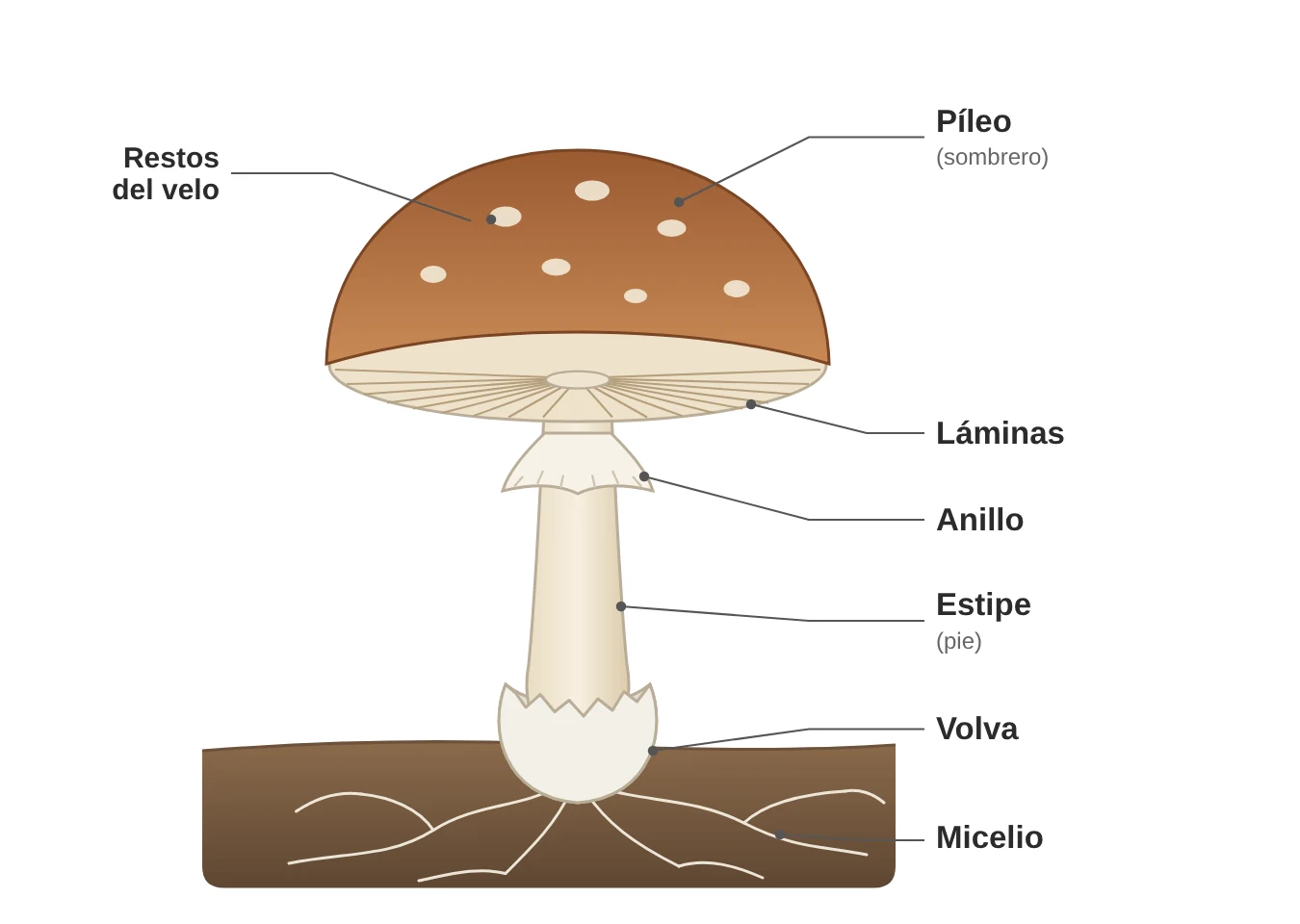
A mushroom cake is a block of substrate fully colonised by mycelium, compact and ready to fruit. In the PF Tek method it is simply called a cake, and in shops it is usually sold without the box or accessories of a grow kit.
When colonisation is complete, the mycelium has turned the substrate into a firm white mass that holds its shape on its own. All it needs is to be placed in a humid environment, with fresh air and indirect light, for fruiting to begin. Between one flush and the next, the cake loses water, and it is common to rehydrate it by soaking it in cold water for a few hours.
Did you know? The vocabulary of home growing owes a lot to the kitchen. Taking the cake out of the jar is called birthing, and substrate mixes are described in recipes. That is no coincidence: PF Tek was designed so that anyone could grow with ordinary kitchen utensils.
A mycelial sector is a zone of a mycelium culture, usually on agar, that grows with a different appearance from the rest: denser or finer, ropy or cottony, or a different colour. It is usually wedge-shaped, opening out from the centre of the Petri dish towards the edge.
When many spores are sown, each sector usually corresponds to a genetically different mycelium. If one appears in a culture that started from a single line, such as a clone, it may indicate a mutation, a viral infection or the onset of degeneration. Among growers, ropy sectors, which resemble rhizomorphs, are associated with vigorous mycelium, and cottony ones with less productive mycelium. Cutting out a sector and transferring it to another dish is the basis of isolation and of selecting a strain.
Did you know? White button mushrooms descend from a variation found by chance, and the hybrids that dominate the market today also come from it. In 1925, at the Keystone farm in Coatesville (Pennsylvania), its owner, the mycologist Louis Ferdinand Lambert, spotted some white mushrooms in a bed of brown ones. He took them to his laboratory and multiplied them, the same move that is repeated with a sector.
Mycelium is a branching network of microscopic filaments (hyphae) that makes up the vegetative, long-lasting part of most fungi. It lives in soil, wood or organic matter, absorbing nutrients and spreading invisibly beneath the surface.
The mycelium is the fungus’s system for exploring, feeding and expanding. Through it, the organism breaks down organic matter and takes part in the cycles of the ecosystem. Under the right conditions of temperature and humidity, fruiting bodies, or mushrooms, emerge from the mycelium: temporary structures whose purpose is reproduction by spores.
Types of mycelium:
Did you know? The “wood wide web” is one of the most popular ideas in ecology, and also one of the most disputed. That carbon can pass from one tree to another through mycorrhizal fungi was first observed in 1997, in birch and Douglas fir seedlings. A 2023 review in Nature Ecology & Evolution concluded that much of what the media say about these networks is disconnected from the evidence, and another study that year specifically challenged the idea of “mother trees”. Its supporters reply that carbon transfer has been demonstrated. The debate remains open.
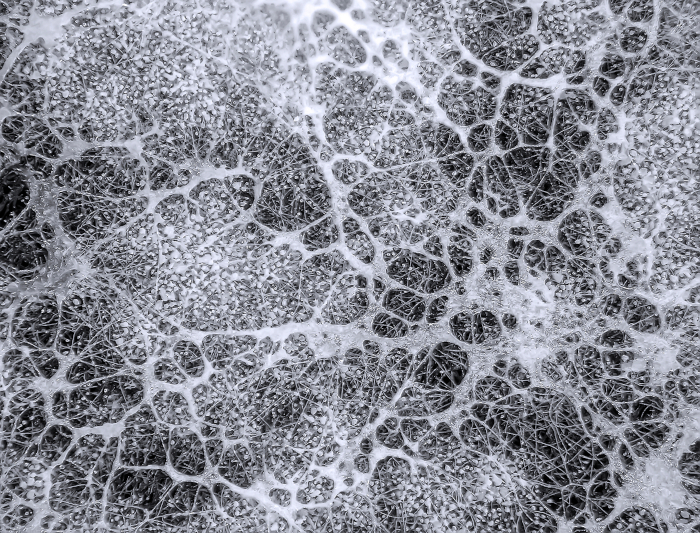
Mycology is the branch of biology that studies fungi: their structure, classification, ecology, uses and the risks they can pose to people. The name comes from the Greek mykes (“fungus”) and logos (“study”).
It ranges from taxonomy and morphology to ecology, medicine, agriculture and industry. One of its branches is ethnomycology, which studies the relationship between fungi and human societies. Today mycologists work both with the microscope and with genetic techniques, which have changed the classification of many species.
Did you know? Mycologists have plenty of work ahead of them. Around 148,000 species of fungi are known, but it is estimated that there are between 2.2 and 3.8 million, so only about 5% have been described. At the current rate of some 2,000 new species a year, completing the inventory would take more than a thousand years.
Mycoparasitism is the relationship in which one fungus, the mycoparasite, lives at the expense of another fungus, its host, and feeds on it.
Mycoparasites can attack the mycelium or the fruiting bodies of their prey. Some are specific to a group of hosts, such as Hypomyces, which grow on mushrooms of the genera Russula and Lactarius. Others, such as some species of Trichoderma, attack many fungi and are used as biological control agents against those that damage crops.
Did you know? The lobster mushroom is not a mushroom but a parasitic fungus that eats another mushroom. Hypomyces lactifluorum covers a white mushroom, usually of the genus Russula or Lactarius, dyes it bright orange and deforms it until it no longer looks like the original. A 2018 study found that by the time the fungus is orange and twisted, very little DNA of the original mushroom remains, even though the flesh inside looks intact.
Mycophilia is the fondness, affinity and cultural appreciation for fungi. The term was proposed in 1957 by Robert Gordon Wasson and Valentina Pavlovna Wasson to describe peoples who value, gather and eat mushrooms as a matter of course, in contrast with mycophobia.
In their book Mushrooms, Russia and History (1957), the Wassons placed the Slavic peoples at the mycophile end of the scale, and Russia, Valentina’s homeland, in particular, as opposed to the aversion they observed in the English-speaking world. It is one of the founding concepts of ethnomycology.
Did you know? The idea was born from an everyday scene. Walking in a forest in the Catskill Mountains, in the United States, Valentina gathered mushrooms with cries of delight to cook them, while Gordon begged her to leave them because they were poisonous, convinced that he would wake up a widower the next morning. Two opposite cultural upbringings facing the same forest gave rise to an entire discipline.
Mycophobia is the cultural aversion to, contempt for or fear of fungi, a concept proposed by the Wassons in 1957 as the opposite of mycophilia. In clinical usage, the same term also refers to an individual’s irrational fear of mushrooms, a rare phobia.
Wasson and his friend the writer Robert Graves suspected that the ancestral origin of mycophobia was a reverential fear linked to religion: a taboo that survived long after the sacred character of certain fungi had been forgotten. As their example of a mycophobic society, the Wassons chose the English, a choice that earned them a good deal of criticism.
Did you know? Although the Wassons presented the two concepts as opposite poles, a study in communities in Chiapas (Mexico) found that most people fall somewhere in between, without splitting into two camps. That is why the authors proposed measuring attitudes towards fungi with a graded mycophilia–mycophobia index, rather than classifying peoples as one thing or the other.
Mycoprotein is a protein of fungal origin obtained from the biomass of a filamentous fungus grown by fermentation and used as food. The best known, sold under the Quorn brand, comes from the fungus Fusarium venenatum, an ascomycete.
The fungus is grown in large fermenters, and the resulting mass of hyphae is processed and frozen, which arranges the filaments into bundles resembling the fibres of meat. That is why it is used as a meat substitute. Its development began in the 1960s, amid concern about feeding a growing world population, and it went on sale in the United Kingdom in 1985.
Did you know? Before finding the fungus, researchers analysed more than 3,000 soil samples from all over the world, and the winner turned out to be almost on their doorstep: it was growing in a field in Marlow, Buckinghamshire (United Kingdom). At first it was mistakenly identified as Fusarium graminearum, a parasitic mould, and the company that marketed it, Marlow Foods, is named after the town.
A mycorrhiza is a partnership between a fungus and the roots of a plant in which both benefit. The term comes from the Greek mykes, “fungus”, and rhiza, “root”.
The plant gives the fungus some of the sugars it makes through photosynthesis, and the fungus, with its network of hyphae, reaches much further than the root and supplies it with water and minerals such as phosphorus and nitrogen. Mycorrhized plants usually cope better with drought and some soil-borne diseases, and the vast majority of land plants form mycorrhizae. There are two main types, depending on whether or not the fungus enters the root cells: ectomycorrhizae, which wrap around the outside, and endomycorrhizae, which penetrate them. How the partnership forms is explained under mycorrhization.
Did you know? Some plants have broken the deal. The yellow bird’s-nest (Monotropa hypopitys), which grows in pine and beech woods, is whitish or yellowish because it has no chlorophyll: it cannot photosynthesise and gets all its food from the mycorrhizal fungi on its roots, which in turn receive it from nearby trees. It lives off the trees through the fungus, giving nothing in return.
Mycorrhization is the process by which a plant’s roots are colonised by a mycorrhizal fungus and the symbiosis between the two is established. It can happen naturally in the soil or be induced deliberately.
In natural mycorrhization, spores or mycelium present in the soil colonise the roots. In artificial mycorrhization, the young plant is inoculated, for example in a nursery, to improve its development or, in truffle plantations, so that it produces truffles. A mycorrhized plant absorbs water and nutrients better, as explained under mycorrhiza, and the process differs depending on whether ectomycorrhizae or endomycorrhizae are involved.
Did you know? Orchids cannot germinate without mycorrhization. An orchid capsule contains between 1,300 and 4 million seeds, each as small as a speck of dust and with no reserves to feed on. In nature, they only germinate if a fungus colonises and nourishes them, something the French botanist Noël Bernard discovered almost by chance in 1899. Today they can be germinated in the laboratory without a fungus, thanks to a sugar-based medium devised by Lewis Knudson in 1922.
A mycotoxin is a toxic substance produced by certain moulds as they grow on crops, animal feed and stored food. Unlike mushroom toxins, which are swallowed when the mushroom itself is eaten, mycotoxins enter the food chain as invisible contaminants.
Hundreds are known, produced mainly by moulds of the genera Aspergillus, Penicillium and Fusarium. Among the most important are the aflatoxins, which damage the liver and are among the most potent natural carcinogens known; ochratoxin A, which affects the kidneys; and zearalenone, which disrupts the hormonal system. Whether they appear depends on humidity and temperature in fields and stores, so the best prevention is to dry grain thoroughly and store it in good conditions.
Did you know? Aflatoxins were discovered because of an epidemic among turkeys. In 1960, around 100,000 young turkeys died in England from an unknown illness that became known as “turkey X disease”. The cause turned out to be peanut feed contaminated by Aspergillus flavus, and the toxin was named after it: A. fla-toxin. The koji mould is a domesticated relative of this fungus that does not produce it.
A mystical experience is a state of consciousness marked by a sense of unity with everything that exists, a quality perceived as sacred, the transcendence of time and space, and the conviction that what is experienced is more real than everyday life. It is often described as hard to put into words.
Its conceptual basis comes from William James and his book The Varieties of Religious Experience (1902), and research with psychedelics has turned it into a measurable phenomenon. The first attempt was the Good Friday Experiment of 1962, in which Walter Pahnke gave psilocybin to theology students in Marsh Chapel at Boston University, a study now considered methodologically flawed. That work gave rise to the Mystical Experience Questionnaire (MEQ), which is still used in current research alongside concepts such as set and setting. It is also connected with the origin of the term entheogen.
Did you know? In 2006, a Johns Hopkins University study took up the question again with a much more rigorous design: 22 of 36 volunteers (61%) met the criteria for a “complete” mystical experience after receiving psilocybin, and many rated it as one of the most meaningful experiences of their lives. A follow-up 14 months later showed that this assessment held.
Neuroplasticity is the brain’s ability to reorganise its connections and form new ones throughout life, in response to experience and learning. It is one of the mechanisms attracting the most interest in current psychedelic research.
In animal studies, psilocybin and other psychedelics increase the number of dendritic spines, small protrusions on neurons where connections with other neurons are made. This effect has been linked to the 5-HT2A receptor, on which psilocin acts. The interest has a concrete reason: in depression and other disorders, a loss of connections has been observed in some areas of the brain, and a substance that encourages new ones to form could help to treat them. It is one of the hypotheses being studied in psychedelic-assisted therapy, together with changes in the default mode network.
Did you know? In 2021, a team at Yale University used a special microscope to watch the brains of living mice after a single dose of psilocybin. In the frontal cortex, the number of dendritic spines increased by around 10% within 24 hours, and some of the new connections were still there a month later.
Norbaeocystin is the first link in the chemical chain that psilocybin mushrooms use to make psilocybin. It is a tryptamine with a phosphate group and without either of psilocybin’s two methyl groups.
The fungus obtains it by adding a phosphate group to 4-hydroxytryptamine. Then another enzyme adds a methyl group, turning it into baeocystin, and a second methyl group turns it into psilocybin. In the dried mushroom it is present in very small amounts, usually below 0.05%, and can only be detected by laboratory analysis.
Did you know? Discovered in 1968 along with baeocystin, norbaeocystin was not studied in depth until 2020, when a team managed to synthesise enough of it to test. The finding was paradoxical: the molecule as it is does not cross the blood–brain barrier well and is therefore not psychoactive, but once the body removes its phosphate group, it activates the 5-HT2A receptor about as effectively as psilocin itself.
Norpsilocin is an alkaloid of the tryptamine family found in psilocybin mushrooms. It is the form of baeocystin without its phosphate group, just as psilocin is of psilocybin.
It forms in the body when phosphatases remove the phosphate group from baeocystin, and it is also present in small amounts in the mushroom itself. As explained in the baeocystin entry, in the laboratory it strongly activates the 5-HT2A receptor, but in animal tests it does not produce the effects of a psychedelic, possibly because the body breaks it down first. It is being studied as a possible component of the entourage effect.
Did you know? Although psilocybin mushrooms have been studied since the 1950s, norpsilocin was not identified as a natural product until 2017, when a team at the University of Jena, in Germany, found it in Psilocybe cubensis. To do so, the authors designed an extraction method that avoided accidentally stripping the phosphate group from the alkaloids, something that happened with other methods and distorted the chemical picture of the mushroom.
An oomycete is a filamentous organism that resembles a fungus but does not belong to the kingdom Fungi. Oomycetes, also called water moulds, are more closely related to brown algae and diatoms than to fungi.
They resemble fungi because they grow as filaments, feed by absorbing nutrients and produce spores, but their cell wall is made of cellulose and glucans, not chitin, and their spores swim by means of two flagella. They include major plant pathogens, such as those that cause downy mildew of the vine and potato blight. Many fungicides also act against them.
Did you know? The culprit behind the Great Irish Famine was not a fungus. It was Phytophthora infestans, an oomycete that causes potato blight and ruined Ireland’s harvests from 1845 onwards. More than a million people died and another million emigrated. Its name means “plant destroyer”, from the Greek phyton, “plant”, and phthora, “destruction”. The name of the group itself, “egg fungus”, is a reminder that they were long thought to be fungi.
Ophiocordyceps sinensis is an entomopathogenic ascomycete fungus from the Tibetan Plateau and the Himalayas, known as caterpillar fungus or, in Tibetan, yartsa gunbu (“summer grass, winter worm”). It was classified as Cordyceps sinensis until 2007, when a molecular revision moved it to the genus Ophiocordyceps.
It parasitises the underground larvae of ghost moths of the genus Thitarodes, in mountain areas above 3,000 metres. It kills the larva, and an elongated stroma emerges from the body, so the whole thing looks like a caterpillar with a blade of grass. It is used in traditional Chinese and Tibetan medicine.
Did you know? A mummified caterpillar with a blade of grass sprouting from it can be worth more than gold. Between 1997 and 2008, the price of caterpillar fungus in Tibet rose tenfold, and according to several reviews it has come to exceed that of gold, weight for weight. Harvesting it provides at least 40% of the cash income of the rural population of the Tibet Autonomous Region.
To learn more about this fungus and how it is harvested in the Himalayas, see our article on yarsagumba.
The oyster mushroom is an edible species with a fan- or shell-shaped cap and a short, lateral stem, which grows in clusters on dead or dying wood of broadleaved trees. Its scientific name refers to its shape: pleurotus means “side ear” and ostreatus “oyster-shaped”.
It is a saprotrophic fungus and one of the most widely cultivated mushrooms in the world. Its commercial cultivation began in Germany during the First World War, as a subsistence measure. It is also being studied in bioremediation for its ability to break down polycyclic aromatic hydrocarbons.
Did you know? The oyster mushroom is carnivorous. Its hyphae paralyse nematodes with a toxin and then push filaments into them to absorb their nitrogen, which is scarce in wood. It was discovered almost by chance: a researcher, George Barron, forgot a Petri dish in the laboratory for months, the fungus he was growing in it formed a mushroom, and it turned out to be this one.
Panaeolus is a genus of small, fragile mushrooms with long, thin stems that grow on dung or in manured meadows. Its name means “variegated”, because of the mottled appearance of its gills.
That mottling appears because the spores do not mature at the same time across the whole gill, and its spore print is black, unlike the purplish brown of Psilocybe. Many species are coprophilous, and some keep remnants of the veil on the cap margin in the form of small white teeth, such as Panaeolus papilionaceus. A few contain psilocybin, such as Panaeolus cyanescens or Panaeolus cinctulus, but most do not, and they cannot be reliably told apart by eye. Despite the resemblance, they are not closely related to Psilocybe, as explained in the P. cyanescens entry.
Did you know? One of its species is a weed on button mushroom farms. Panaeolus cinctulus appears spontaneously in the compost used to grow button mushrooms, which is why it is known in English as the weed panaeolus. It is also one of the species in the genus that contain psilocybin.
Panaeolus cyanescens is a psilocybin mushroom that grows on dung in tropical and subtropical regions around the world. Its spores are jet black, and the mushrooms turn blue when damaged. It is also known as Copelandia cyanescens.
It is a coprophilous fungus, meaning that it lives on dung. Its family is under debate: it was traditionally placed in Bolbitiaceae, and recent studies place it in Galeropsidaceae, but either way far from Psilocybe, which shows that psilocybin also occurs in groups of fungi that are not closely related. Its gills look mottled because the spores mature in patches.
Did you know? This mushroom has had several scientific names. It was described in 1871 in what was then Ceylon as Agaricus cyanescens; in 1912, the Italian mycologist Giacomo Bresadola described it from the Philippines under another name, Copelandia papilionacea; and in 1951 Rolf Singer moved it to Copelandia cyanescens, a genus now considered part of Panaeolus. That is why the name Copelandia still appears in many catalogues.
Panaeolus cyanescens, commonly known as Copelandia Hawaiian or"Blue Meanies", is a species of psilocybin mushroom that belongs to a completely different family than Psilocybe cubensis (such as the Gol...
Parasitic fungi feed on a living organism, whether a plant, an animal or another fungus, and harm it in the process. Unlike saprotrophs, which live on dead matter, they attack living tissue, and many end up killing their host.
Parasitism is very widespread among fungi. In plants they cause diseases such as rusts, smuts and powdery mildews, as explained under fungal pathogen; others attack animals, and some attack other fungi, as described under mycoparasitism. Among the most studied are the entomopathogens, which parasitise insects, such as those of the genera Cordyceps and Ophiocordyceps. Their mycelium invades the insect’s body and gradually replaces its tissues, until an elongated fruiting body, the stroma, sprouts from it and releases new spores.
Did you know? Some species of Ophiocordyceps, the so-called “zombie fungi”, control the behaviour of the ants they infect. The fungus invades the insect’s muscles and forces it to climb a plant and clamp its jaws onto the underside of a leaf, at the height and humidity that suit the fungus. There the ant dies, and from its body sprouts the stroma, which drops its spores onto the trails its nestmates use.
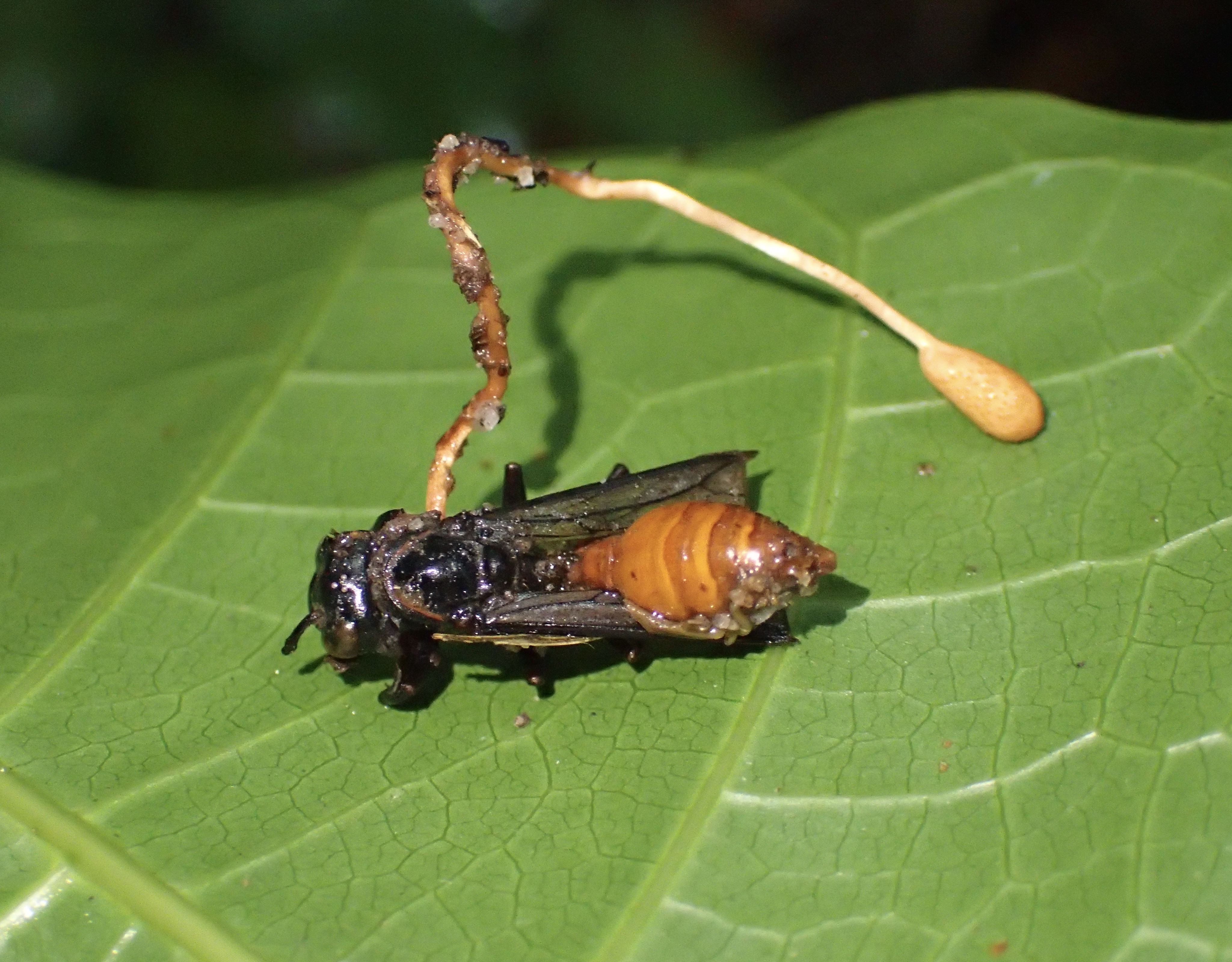
Pasteurisation is a heat treatment at temperatures below boiling point that reduces the microbial load of a material without eliminating all microorganisms. Unlike sterilisation, it does not destroy the most resistant spores. It is named after Louis Pasteur.
In mushroom growing it is applied to nutrient-poor substrates, such as straw, where complete sterility is not needed: it is enough to reduce the population of competitors so that the mycelium gets a head start. It is a simpler and cheaper process than sterilisation, but it leaves a smaller safety margin against contamination.
Did you know? Pasteur did not develop this method for milk, its best-known use today, but for wine. Napoleon III asked him to study the “diseases” that soured French wines and caused producers heavy losses, and Pasteur found that it was enough to heat them for a few minutes, without boiling, to stop the microorganisms responsible. He patented the process in 1865, and its application to milk came several decades later.
A Petri dish is a shallow cylindrical container, made of glass or plastic, with a slightly larger lid that sits on top without sealing. In mushroom growing it holds the agar medium on which mycelium is sown and grown.
Its flat, transparent surface makes it possible to watch the mycelium grow and to spot any foreign colony early. Because the lid does not seal completely, the work must be done in a clean environment, usually in a laminar flow hood. Glass dishes can be reused after sterilisation, while plastic ones are disposable, and during incubation they are usually kept upside down so that condensation does not drip onto the medium.
Did you know? It is named after Julius Richard Petri, an assistant to Robert Koch, who in 1887 described his design as “a small modification” of Koch’s method, which used a glass bell jar: a slightly larger lid reduced contamination from airborne microorganisms. However, he was not the first: the researcher Emanuel Klein had described an almost identical dish in 1885, and Percy Frankland a similar one in 1886. It is a case of almost simultaneous invention in which the name went to the last to publish.
PF Tek is a home mushroom growing method developed in the early 1990s by Robert McPherson, who wrote under the name “Psilocybe Fanaticus”, from which it takes its name (Psilocybe Fanaticus Technique). It was designed so that anyone without laboratory equipment could use it.
It uses small glass jars with a substrate of brown rice flour and vermiculite, which is sterilised and inoculated with a spore suspension. Once colonised, the resulting block, or “cake”, described under mushroom cake, is taken out of the jar to induce fruiting. Compared with bulk substrate methods, such as the monotub, it is criticised for its lower yield and the extra work per jar.
Did you know? There had already been a revolution before PF Tek. In 1976, the brothers Terence and Dennis McKenna, writing under pseudonyms (O. T. Oss and O. N. Oeric), published a guide that adapted a method for growing button mushrooms on rye to Psilocybe cubensis. According to Jonathan Ott, for the first time an amateur could do it in their own kitchen, with ordinary utensils.
The pileus is the upper part of a mushroom’s fruiting body, commonly called the cap. It supports and protects the hymenium, which in most species is located on its underside.
Its shape is highly variable and useful for identification: it can be convex, flat, bell-shaped, conical, umbonate or funnel-shaped, and its surface, covered by the cuticle, can be smooth, slimy, scaly or fibrous. Together with the stipe, it is the structure we most readily recognise as a “mushroom”, and its colour, texture and margin are among the first features observed in a macroscopic identification.
Did you know? The name comes from the Latin pileus, the felt cap worn by free men in ancient Rome, which was placed on slaves’ heads when they were granted their freedom. A symbol of emancipation thus ended up giving its name to the cap of a mushroom.
A polypore is a fungus whose fruiting body, usually hard, woody or leathery and shelf-shaped, has its underside covered with pores instead of gills. Almost all grow on wood, living or dead.
It is not a natural group but a collection of fungi that share this form: genetic analyses spread them across at least twelve orders, although most belong to the Polyporales and Hymenochaetales. They are the main decomposers of wood, with the types of rot explained under xylophagous. Some are perennial and keep growing year after year, reaching more than eighty years of age on living trees. They differ from boletes, which also have pores, because boletes are fleshy, have a stem and grow on the ground. Amadou, reishi, turkey tail and maitake are all polypores.
Did you know? A birch polypore was once used to sharpen razors. The flesh of Fomitopsis betulina is white, firm and smooth, and it was cut into thin slices to face the strops on which barbers honed the edge of their razors, which is why it is known in English as the razor strop fungus. Entomologists also used it, cut into strips, to pin the insects in their collections.
A pore is the opening at the end of each of the tubes that make up the hymenium of boletes and polypores. Together, the pores give the underside of the pileus a spongy appearance.
The tubes are arranged vertically under the cap and are lined with the hymenium; the pores are their outlets, through which the spores are released. Their shape (round, elongated, angular), size and colour are fundamental identification features, and in many boletes the colour of the pores changes when pressed, a useful detail for telling species apart.
Did you know? Pore size varies enormously between species but very little within a species: some species of Hexagonia have pores about 5 millimetres wide, while those of Antrodiella are invisible to the naked eye, with around 15 pores per millimetre. In general, the larger the pores, the larger the spores.
Potency is the concentration of active compounds in a mushroom or truffle, above all psilocybin and psilocin. It is expressed as a percentage or in milligrams per gram of dry weight.
Potency is not a fixed figure. It varies with the species, the strain, from one flush to another and between parts of the mushroom: a 2003 Japanese study found more alkaloids in the caps of Psilocybe cubensis than in the stems. Drying and storage also play a part, because psilocin oxidises easily. In addition, minor alkaloids such as baeocystin could modulate the effect, as the entourage effect suggests. Neither size, nor colour, nor the intensity of bluing can be used to estimate it: only laboratory analysis measures it. To learn about each compound, see our guide to the alkaloids of psilocybin mushrooms.
Did you know? Not even in a laboratory can identical mushrooms be produced. In a study published in 2026, a team grew 14 strains of Psilocybe cubensis under identical conditions and analysed them with the same method: total tryptamine concentration varied almost eightfold from one strain to another, and mushrooms of the same strain still differed by up to 23%.
The primordium is the first visible structure of a fungus’s fruiting body: a nodule the size of a pinhead, less than two millimetres across, that forms from the mycelium, usually on or near the surface of the substrate. Growers call it a pin.
It arises from a hyphal knot, a compact tangle of hyphae, after the change in conditions that triggers fruiting. If all goes well, it grows into a rounded “button” that then opens into a mushroom. It is a very fragile stage: if the surface dries out or there is a sudden change in conditions, development stops and the primordium aborts.
Did you know? Although a mushroom seems to grow overnight, much of its construction has already been done inside the primordium: the cells take several days to form, and then the fungus inflates them with water drawn from the mycelium. In species such as Parasola plicatilis, the primordia swell to full size within a few hours after rain, release their spores and collapse.
A prodrug is an inactive or weakly active compound that the body converts, after absorbing it, into the molecule that produces the effect.
The best-known example in fungi is psilocybin, which the body’s phosphatases convert into psilocin. Another is ibotenic acid, part of which is converted into muscimol. The conversion of psilocybin is what lemon tek tries to bring forward outside the body. The pharmaceutical industry designs prodrugs to improve a medicine’s stability, absorption or duration, and some synthetic compounds, such as 4-PrO-MET in relation to metocin, follow the same logic. In the mushroom itself, psilocybin’s phosphate group protects psilocin from the oxidation that causes bluing.
Did you know? In 1963, Albert Hofmann and Franz Troxler patented several esters of psilocin, including 4-AcO-DMT, and the patent was forgotten. In 1999, the pharmacologist David Nichols proposed this compound as an alternative prodrug to psilocybin for research, because it is easier and cheaper to synthesise. It was not until 2024 that it was confirmed in mice that the body converts it into psilocin.
Psilocin is the psychoactive compound (C₁₂H₁₆N₂O) into which psilocybin is converted when it loses its phosphate group. It is the molecule that acts on the nervous system: being more lipophilic, it crosses the blood–brain barrier more easily.
Psilocybin can be regarded as the stabilised form of psilocin, in which the phosphate group protects a hydroxyl group that, without it, can oxidise and give rise to blue pigments. Once in the brain, psilocin acts as an agonist at several serotonin receptors, above all 5-HT2A.
Did you know? The blue colour that psilocybin mushrooms turn when damaged is the result of an enzymatic chain reaction: a phosphatase converts psilocybin into psilocin, and a laccase oxidises the psilocin and links it into chains of blue pigment. According to one hypothesis, that pigment, rather than psilocybin, is what protects the fungus: a defence that only switches on when the tissue is damaged.
Psilocybe is a genus of mushrooms, mostly small and brown, that includes most of the fungi containing psilocybin. Its name comes from the Greek psilós, “bare”, and kýbe, “head”, and means “bald head”, because of its smooth cap.
Its species usually have a hygrophanous cap, a dark purplish-brown spore print and flesh that stains blue when damaged, known as bluing. They grow on every continent except Antarctica, on dung, wood, grass or soil, and Mexico is one of the countries with the most described species. The best known include P. cubensis, P. semilanceata, P. mexicana and the species that grow on wood, the wood lovers.
Did you know? Magic mushrooms nearly lost their name. The type species of the genus was Psilocybe montana, which has no psilocybin, and when DNA showed that the bluing and non-bluing species formed two separate groups, the name should have stayed with the latter. To avoid this, in 2007 the mycologist Scott Redhead and his colleagues proposed changing the type species to P. semilanceata, and in 2010 the international nomenclature committee approved it unanimously. The non-bluing species moved to the genus Deconica.
Psilocybe azurescens is a psilocybin mushroom from the Pacific Northwest coast of the United States, which grows on driftwood and among dune grasses near the mouth of the Columbia River. Its name means “turning blue”, after the intense blue its mushrooms take on when damaged.
It is a lignicolous fungus, one of the so-called wood lovers: it feeds on dead wood and fruits in autumn. Its natural range is a narrow coastal strip centred on the Columbia delta, between Depoe Bay (Oregon) and Westport (Washington). It has been debated whether it is native there or was carried down the river from inland forests.
Did you know? According to the story that is told, it was first found in 1979 by a group of Boy Scouts camping at the mouth of the Columbia. Word of their find reached Paul Stamets, who collected specimens in Hammond (Oregon) and described it in 1995, together with Jochen Gartz, in the journal Integration: Journal for Mind-Moving Plants and Culture.
Psilocybe caerulescens is a psilocybin mushroom with a dark brown to chestnut cap, 2 to 8 centimetres across and somewhat viscid, that grows in dense groups on disturbed soil and mud with woody debris in tropical and subtropical areas of the Americas. Its flesh stains blue when damaged. In Mexico it is known as derrumbe (“landslide”), because it appears where the ground has slipped.
It is used in ceremonies by several Indigenous peoples of Mexico, including the Mazatec, Mixe, Nahua and Totonac. The mycologist Gastón Guzmán proposed that it is the teonanácatl described in 16th-century chronicles, on the basis of the name present-day Nahua people use for it. In 1957, Roger Heim described several Mexican forms as varieties of their own, which are now considered part of the same species. It is protected under Mexican law, which includes it on its list of species at risk.
Did you know? The species of one of the sacred mushrooms of Mesoamerica was described from a specimen from Alabama. The mycologist William Murrill published it in 1923 using material sent to him by a collector in Montgomery, decades before science knew anything about its ritual use. It has not been documented in that place since.
Psilocybe cubensis is a psilocybin mushroom with a golden to reddish-brown cap, 1.5 to 8 centimetres across, a white membranous ring on the stem and a dark purplish-brown spore print. It grows on herbivore dung in tropical and subtropical regions around the world, and it is the most widely cultivated psilocybin species.
It was described in 1906 by the mycologist Franklin Sumner Earle from specimens from Cuba, hence its epithet, under the name Stropharia cubensis, and Rolf Singer moved it to the genus Psilocybe in the late 1940s. It is a saprotrophic species that colonises quickly and tolerates a very wide range of substrates, which is why it is the mainstay of home growing, with methods such as PF Tek or the monotub and mixes such as CVG. Almost all the varieties on the market, such as Golden Teacher, B+, Mazatapec, Enigma or Albino Penis Envy, are strains of this species. To explore them, see our guide to psychoactive mushrooms.
Did you know? In Mexico it is known as hongo de San Isidro, after Saint Isidore the Labourer, patron saint of farmers, because it springs up in the pastures where cattle graze. For years it was thought to have reached the Americas with Spanish cattle, but a 2026 study in Proceedings of the Royal Society B found its closest wild relative, Psilocybe ochraceocentrata, in southern Africa. The two shared a common ancestor about 1.5 million years ago, and the authors consider that this contradicts that idea.
Psilocybe cyanescens is a psilocybin mushroom that grows on wood chips, especially in mulched flower beds in parks and gardens. It owes its common name, wavy cap, to the wavy margin its cap develops.
It is a saprotrophic fungus that fruits in autumn, one of the so-called wood lovers. It is found in the Pacific Northwest of North America, in western and central Europe and in other temperate areas. Elsie Wakefield described it in 1946 from specimens collected at the Royal Botanic Gardens, Kew, in London.
Did you know? Wakefield was already collecting this species in 1910, and where it comes from is still not known for certain. It is thought to be native to the Pacific coast of North America and to have reached Europe with the trade in wood chips for gardening. In the United Kingdom it is considered a probable introduced species.
Psilocybe mexicana is a small psilocybin mushroom with a conical to bell-shaped cap, 0.5 to 3 centimetres across and yellowish brown in colour, that grows among the grass and moss of damp mountain meadows in Mexico and Central America. Roger Heim described it in 1957 from specimens collected during the expeditions of R. Gordon Wasson.
It was the first species from which psilocybin was isolated, in 1958, from specimens grown in Heim’s laboratory. As well as mushrooms, it forms sclerotia, which are sold as magic truffles. It is one of the species used in the Mazatec veladas, the healing ceremonies led by María Sabina. Some taxonomic catalogues treat Psilocybe galindoi as a synonym of this species.
Did you know? In Mexico it is called pajarito, “little bird”, and among the Mazatec of Oaxaca it goes by names such as ndi-shi-tjo-ni-se or nize, which translate as “little bird”; the spelling varies from source to source, because Mazatec is a tonal language that has been transcribed in different ways. It is one of the ndi xi tjo, “the little ones that spring forth”, as the Mazatec call their sacred mushrooms. The name of Pajaritos magic truffles comes from this popular name.
Psilocybe semilanceata is a small psilocybin mushroom of grasslands, known in English as the liberty cap, with a conical, pointed cap 5 to 25 millimetres across, a small papilla at the top and a thin stem. It is the type species of the genus Psilocybe, described by Fries in 1838.
It is native to temperate regions of Europe and North America, and grows in damp meadows and pastures on nitrogen-rich soils, although not directly on dung. Its cap is hygrophanous: it changes colour depending on moisture. It is not easy to cultivate, so it depends on wild picking, which requires caution because it can be mistaken for species such as Galerina marginata, a deadly mushroom.
Did you know? It features in the first medical account of poisoning with psilocybin mushrooms. In October 1799, a man picked mushrooms in Green Park, London, and cooked them for his family, who soon began to laugh and see visions. The physician Everard Brande described the case in The London Medical and Physical Journal, and the mushrooms, identified at the time under another name, were later recognised as Psilocybe semilanceata. Its English name, liberty cap, comes from the cap of liberty, as explained under pileus.
Psilocybe tampanensis is a psilocybin mushroom that is very rare in the wild, known above all for its sclerotia, which are sold as magic truffles under the trade name “philosopher’s stones”. It was described in 1978 by Gastón Guzmán and Steven Pollock.
Guzmán placed it in his section Mexicanae, which groups species of Psilocybe with spores longer than 8 microns. Sclerotia are hardened masses of mycelium that act as a survival structure, and the species also forms them in cultivation.
Did you know? Psilocybe tampanensis, the species behind Tampanensis magic truffles, owes its name to someone playing truant. According to Paul Stamets, Steven Pollock skipped a “boring taxonomic conference” at the Second International Mycological Congress in Tampa to go looking for mushrooms, and found a single specimen he did not recognise. For years no other wild collection was known.
Psilocybin is a natural tryptamine alkaloid (C₁₂H₁₇N₂O₄P), also called 4-phosphoryloxy-N,N-dimethyltryptamine, found in various species of fungi, mainly of the genus Psilocybe. It is a prodrug: once swallowed, the body’s phosphatases remove its phosphate group and convert it into psilocin, the molecule responsible for its psychoactive effects.
Psilocybin and psilocin share the tryptamine skeleton with serotonin, and psilocin acts mainly on the 5-HT2A serotonin receptors of the central nervous system, with effects on perception, cognition and neuroplasticity. Its role in the fungus itself is not settled: it has been suggested that it protects the fungus from the insects that feed on it, and a recent study found that extracts of Psilocybe cubensis alter the development and behaviour of insects.
Did you know? The ability to produce psilocybin has arisen at least twice, independently, in the evolution of fungi: Psilocybe and fungi of the genus Inocybe make it with completely different sets of enzymes. The authors of the finding admit that they do not yet know what evolutionary advantage it gives them.
For a detailed look at its therapeutic mechanisms, history and the current state of medical research, see our article on what psilocybin is and what effects it has.
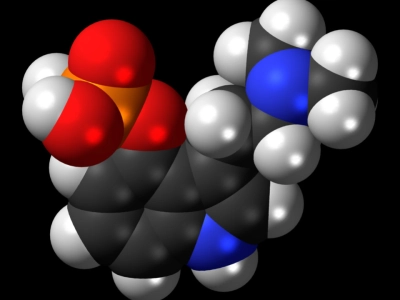
Explore what psilocybin is, how it is transformed into psilocin, and what experiences it can cause in the mind, body, and perception according to current neuroscience.
Read moreA psychedelic is a substance that profoundly alters perception, thought and emotions, usually without abolishing consciousness or the memory of what was experienced. The so-called classic psychedelics, such as psilocybin, LSD, mescaline and DMT, act mainly through the 5-HT2A receptor. As an adjective, the word also refers to the aesthetics and culture associated with these substances since the 1960s.
The term comes from the Greek psyché, “mind”, and dêlos, “manifest, visible”, and is usually translated as “mind-manifesting”. It has coexisted with other names that reflect different outlooks: “hallucinogen”, which emphasises perceptual changes; “psychotomimetic”, which regarded them as mimicking psychosis; and entheogen, which stresses their spiritual use. Substances with different mechanisms, such as the muscimol in Amanita muscaria, fall outside the classic group.
Did you know? The word was born in an exchange of letters. In 1956, the psychiatrist Humphry Osmond and the writer Aldous Huxley were looking for a better name than “psychotomimetic” for these substances, and each proposed his own in a rhyming couplet. Huxley’s, “phanerothyme” (from the Greek for “visible” and “soul”), did not catch on; Osmond’s, “psychedelic”, was presented by Osmond himself in 1957 to the New York Academy of Sciences, and ended up giving its name to an era.
Psychedelic-assisted therapy is a treatment in which a psychedelic substance, such as psilocybin, is given as part of a psychotherapy process with trained professionals. It is taken in one or a few sessions, with psychological work before and after.
Trials follow three stages: preparation, to build trust and explain what may happen; a session lasting several hours, lying down, often with an eye mask and music and with two therapists who do not steer the experience; and integration, in the following weeks. People with contraindications, such as a history of psychosis, are excluded. With psilocybin it has been studied mainly in treatment-resistant depression. Australia has allowed authorised psychiatrists to use it since 2023, the Czech Republic legalised it in specialised centres in 2026 and, as of October 2026, the FDA in the United States is considering its approval as a medicine.
Did you know? Psilocybin therapy already had its own medicine more than sixty years ago. In the 1960s, the Swiss company Sandoz marketed it as tablets under the name Indocybin and distributed it to psychiatrists and researchers as an aid to psychotherapy. The prohibition of the late 1960s halted almost all research for decades.
A psychonaut is a person who deliberately explores altered states of consciousness, whether through psychoactive substances, meditation, lucid dreaming or other techniques, with the aim of knowing and understanding their own mind. The term combines the Greek roots psyché (mind, soul) and naútes (sailor), and translates literally as “sailor of the mind”.
Unlike purely recreational use, psychonautic activity involves an exploratory intention and, often, a degree of methodological rigour: documenting the experience, paying attention to set and setting, and drawing lessons from what was experienced. The concept has given rise to psychonautics, understood both as a practice of self-exploration and as a field of study that investigates the subjective effects of altered states of consciousness.
Did you know? The word is often credited to the German writer Ernst Jünger, who popularised it in 1970 in his book Annäherungen: Drogen und Rausch, where he devotes pages to pioneers such as Arthur Heffter, the chemist who isolated mescaline. But the term had already been appearing in English-language texts since the late 1950s. Jünger had a long friendship with Albert Hofmann, the chemist who discovered LSD, and tried it with him.
Radiotrophic fungi are melanin-rich fungi that appear to make use of ionising radiation to grow. The mechanism has yet to be proven.
Melanin, the same pigment that darkens human skin, absorbs radiation, and it is abundant in many dark moulds. In 2007, Ekaterina Dadachova’s team in New York found that Cladosporium sphaerospermum, Cryptococcus neoformans (a yeast) and Wangiella dermatitidis grew faster when exposed to gamma radiation, and that strains without melanin did not. It has been suggested that they use it the way plants use light, but this has not been proven. After the 1986 accident, black fungi flourished around the Chernobyl power plant. To find out more, see our article on radiotrophic fungi.
Did you know? These fungi have been tested as a shield in space. In an experiment aboard the International Space Station, published in 2022, a thin layer of Cladosporium sphaerospermum grown for about 26 days let slightly less radiation through to a sensor underneath than the side without the fungus. The difference was small, but the authors present it as a first step towards self-regenerating shields for future missions to Mars.
Reishi is a polypore with a fan- or kidney-shaped cap and a shiny, varnished-looking surface, which grows on wood, like other lignicolous fungi. In China it is known as lingzhi, a name that means “herb of spiritual potency”.
Its scientific name comes from the Greek ganos, “brightness”, and derma, “skin”, and the Latin lucidum, “shining”, because of its lacquered appearance. Its flesh is hard and woody, and its use goes back more than two thousand years in traditional Asian medicine, where it was called the “mushroom of immortality”. Its most studied compounds are triterpenes, such as the ganoderic acids, responsible for its bitter taste, and polysaccharides, including beta-glucans, which are also being studied in maitake. It is one of the fungi usually included among the adaptogens.
Did you know? The name is, in part, a historical mistake. Ganoderma lucidum was described from European specimens and later applied to Asian reishi, but genetic studies, such as one from 2012, attribute the reishi cultivated in Asia to a different species, Ganoderma lingzhi, with a different profile of triterpenoid acids. Even so, lucidum still appears on a great many labels.
Reishi, scientifically known as Ganoderma lucidum, is much more than a simple mushroom: it is a treasure of nature that has fascinated ancient cultures and today is positioned as a protagonist in the ...
Relative humidity is the amount of water vapour the air contains compared with the maximum it could hold at the same temperature. It is expressed as a percentage.
It depends heavily on temperature, because warm air can hold more vapour than cold air. It is measured with a hygrometer. In mushroom growing it is one of the key factors in fruiting: mushrooms lose water easily, so in the fruiting chamber it is usually kept very high, often above 85%. If it drops too low, the primordia dry out and aborted pins appear; if it is very high and fresh air is lacking, water collects on the mushrooms and encourages bacterial contamination. It should not be confused with field capacity, which refers to the water in the substrate, not in the air.
Did you know? One of the first reliable hygrometers worked with a human hair. In 1783, the Swiss naturalist Horace-Bénédict de Saussure took advantage of the fact that a degreased hair lengthens when the air is humid and shortens when it is dry. He kept it taut with a small weight and connected it to a needle that moved over a scale from 0 to 100.
A rhizomorph is a root-like cord made of parallel hyphae that some fungi use to explore their surroundings. Its name comes from the Greek and means “root-shaped”.
Rhizomorphs have a thick outer layer and a growing tip of their own, like the tip of a root, and they carry water and nutrients over long distances through the soil or under bark. They also withstand unfavourable conditions, staying dormant until things improve. They are characteristic of Armillaria mellea, the honey fungus, whose black cords have earned it the name “bootlace fungus”; it uses them to travel through the soil until it reaches new trees to parasitise, and its mycelium is also bioluminescent.
Did you know? Thanks to its rhizomorphs, Armillaria can form gigantic individuals. In the Malheur National Forest, in Oregon, a single specimen of Armillaria ostoyae extends over about 9.6 km², making it one of the largest organisms known. Other wood fungi form similar, though simpler, cords: those of Serpula lacrymans, the cause of dry rot in buildings, can run for metres across a wall and even work their way through the joints in masonry in search of new timber.
The ring is a membrane that encircles the stem of some mushrooms, a remnant of the partial veil that protected the hymenium when the mushroom was young. As the cap expands, the veil tears and part of it is left on the stem.
Not all mushrooms with a partial veil keep a ring: in some it disappears with age or leaves only remnants on the cap margin. When present, its shape is an identification feature: it can be single or double, ascending or descending, smooth or striate, and fixed or movable.
Did you know? The ring can even tell species apart within a single genus. In Psilocybe cubensis it is membranous, white and persistent, and it turns blackish over time: it is darkened by the spores that fall on it, so it works as a natural record of the spore print. Psilocybe pelliculosa, by contrast, also has a partial veil, but it never forms a ring.
Saprotrophic fungi feed by breaking down dead organic matter, such as wood, leaf litter, plant debris or dung. The older name, saprophyte, comes from the Greek sapros, “rotten”, and phyton, “plant”; today the scientific literature prefers saprotroph, from trophé, “food”, because fungi are not plants.
Their hyphae secrete enzymes that break very tough materials, such as the cellulose and lignin in wood, down into simple molecules that they then absorb. Together with bacteria, they are the great recyclers of land ecosystems: they return to the soil the carbon and minerals that were locked up in dead matter. Because they do not need a living root, unlike mycorrhizal species, most of them can be grown on pasteurised or sterilised substrates. Almost all cultivated mushrooms, from the button mushroom to shiitake, are saprotrophs.
Did you know? During the Carboniferous, more than 300 million years ago, the planet’s largest coal deposits were formed. In 2012 it was suggested that the cause was that fungi had not yet learnt to break down lignin, so dead trunks piled up without rotting. In 2016, another study cast doubt on this and attributed that coal mainly to the climate and geology of the time, when the supercontinent Pangaea was forming. The debate remains open.
A sclerotium is a compact mass of hyphae, whose outer cells have thickened walls, that works as a survival structure. It allows the fungus to get through unfavourable periods, and it can last for months in dry conditions or produce a fertile structure when there is enough moisture.
It is a dormant form of the mycelium. The best-known example is ergot, the sclerotium of Claviceps purpurea, which replaces the grain in the ear of rye. So-called magic truffles are also sclerotia of certain Psilocybe species, not true truffles.
Did you know? It has been suggested that the ergot sclerotium lay behind the Eleusinian Mysteries: according to this hypothesis, the barley in the kykeon drunk by initiates may have been contaminated with it, and the psychoactive substances it contains would explain the collective experiences described over two millennia. The theory was put forward by Wasson, Hofmann and Ruck in The Road to Eleusis, although there is still no consensus among specialists.
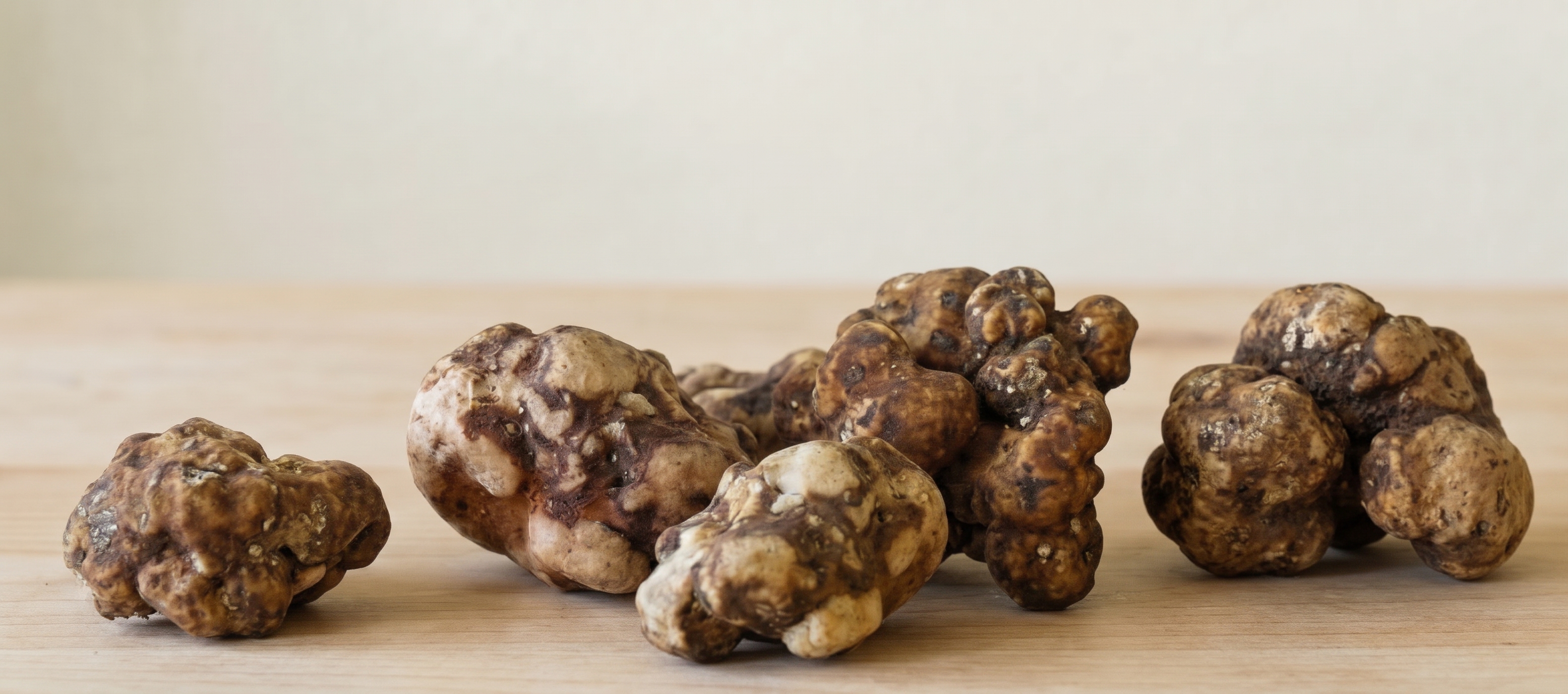
Serotonin, or 5-hydroxytryptamine (5-HT), is a neurotransmitter of the tryptamine family that the body makes from tryptophan, an amino acid from the diet. It is involved in mood, sleep, appetite and perception, among many other functions.
Around 90% of the body’s serotonin is in the gut, and since it does not cross the blood–brain barrier, the brain makes its own. It acts on fourteen types of receptor. Psilocin closely resembles it, because both share the tryptamine skeleton, which is why it binds to several of them, above all the 5-HT2A receptor. Its name combines “serum” and “tone”: it was given in 1948 by researchers at the Cleveland Clinic who isolated it from blood because of its ability to constrict blood vessels.
Did you know? It was LSD that put serotonin at the centre of psychiatry. In 1953 it was found that LSD blocked serotonin’s effects in laboratory tissues, and the following year the researchers D. W. Woolley and E. Shaw proposed that changes in serotonin might lie behind some mental disorders. It was one of the ideas that gave rise to biological psychiatry.
Set is the mental, emotional and physical state in which a person approaches a psychedelic experience: their expectations, intention, mood, previous experiences and how rested or tired they are.
It works as a filter: the same dose of the same substance can be experienced very differently depending on the state the person arrives in. That is why preparing beforehand, getting informed, being clear about one’s intention and not approaching the experience at a time of distress or conflict is one of the most repeated recommendations in harm reduction. Together with setting it makes up set and setting, and an unfavourable set is one of the most common causes of a bad trip.
Did you know? Set can produce effects without any substance at all. In a 2020 experiment, 33 people took part in a party staged to make them believe they had taken a psychedelic, although they only received a placebo, and there were actors among them pretending to feel the effects. Most said they felt something, and some described intense changes, such as seeing the paintings on the wall move.
Set and setting is the expression that brings together set and setting, that is, the factors besides the substance itself that shape a psychedelic experience. It is one of the most cited ideas in psychedelic culture and in harm reduction.
Its central idea is that the substance alone does not decide what the experience will be like: the mind of the person taking it and the place where it happens can weigh as much as the dose. That is why psychedelic-assisted therapy has made it part of the treatment, with preparation sessions and rooms designed to make the patient feel safe.
Did you know? It sounds like a countercultural idea, but its first published appearance was an academic paper: Timothy Leary presented it on 9 September 1961 at the annual meeting of the American Psychological Association, under the title Drugs, Set & Suggestibility. And the idea went back further: it gathered what researchers and therapists had observed with LSD during the 1950s.
The psychedelic experience does not depend solely on the substance. The mental and physical context —set and setting— predicts the quality of the outcome independently of the dose. This has concrete practical implications.
Read moreSetting is the physical, social and cultural environment in which a psychedelic experience takes place: the place, the company, the light, the sound and the general sense of safety.
A quiet, familiar place with trusted people helps one feel safe throughout the experience, while a noisy, unfamiliar or socially uncomfortable one can increase distress or mistrust. Unlike set, which depends on each person’s inner state, setting can be prepared in advance, which is why clinical trials pay close attention to it, as explained under psychedelic-assisted therapy. The company of a trip sitter is also part of the setting.
Did you know? Setting does not matter only with psychedelics. Norman Zinberg spent ten years studying recreational heroin users and showed that “controlled users” existed. His 1984 book, Drug, Set, and Setting, explains why a person’s relationship with a drug changes depending on the substance, the mindset and the social environment, which is why it has the word drug in its title.
Shiitake is an edible fungus native to East Asia that grows on dead wood of deciduous trees. Its Japanese name combines shii, the tree Castanopsis cuspidata on whose logs it was grown, and take, “mushroom”.
It is a saprotrophic fungus that has been cultivated in China for more than a thousand years, traditionally on logs and nowadays also on blocks of sawdust substrate. According to the most recent production estimates, it is the most widely cultivated edible mushroom in the world, ahead of the button mushroom, and it is highly valued for its umami flavour.
Did you know? Raw or undercooked shiitake can cause a reaction in some people called flagellate dermatitis: linear, very itchy rashes that look like whip marks, attributed to lentinan, one of its polysaccharides. Almost all cases are due to raw or undercooked mushrooms, although cases have also been described with well-cooked ones.
Shiitake, scientifically known as Lentinula edodes, transcends the category of a simple mushroom to become a true gift of nature, admired both for its exquisite flavor and its health properties. This ...
Soma is a ritual drink of the ancient Vedic religion of India, prepared from the juice of a plant that was pressed and filtered, offered to the gods and drunk in ceremonies. Its botanical identity is still unknown.
The Rigveda devotes an entire book to it, with 114 hymns that treat it as a god, and the Iranian tradition knows it as haoma. Many candidates have been proposed, such as ephedra, Syrian rue (Peganum harmala) and various mushrooms. In 1968, R. Gordon Wasson argued that it was Amanita muscaria, a thesis that still lacks consensus, and Terence McKenna later proposed Psilocybe cubensis. In 1932, Aldous Huxley borrowed the name for the drug the State hands out to the population in Brave New World.
Did you know? One of Wasson’s arguments came from Siberia. In 1730, the Swedish officer Philip Johan von Strahlenberg reported that among the Koryaks of Kamchatka, the poor waited outside the huts of the rich, who ate fly agaric at their feasts, to drink their urine, which kept some of the mushroom’s effect. Wasson thought he saw the same practice in a verse of the Rigveda that speaks of urinating soma.
A spore is a microscopic reproductive cell produced by fungi, whose role is similar to that of a seed in plants: to allow the species to reproduce and disperse.
In fungi that form mushrooms, spores are usually produced in the hymenium, the fertile part of the fruiting body located under the cap. In other groups of fungi they can be produced in different structures, such as sacs (asci), sporangia or conidiophores. Once mature, they are released and carried by wind, water, animals or even their own propulsion mechanisms. If they find a suitable substrate and favourable moisture conditions, they germinate and give rise to a new mycelium. Spore colour is a key criterion in identifying species, and it is used in tests such as the spore print.
Types of spore: Depending on their origin, they can be sexual, such as basidiospores (produced in basidia) or ascospores (produced in asci), the result of genetic recombination between two individuals; or asexual, such as conidia, which the fungus produces by simple division, without any exchange of genes.
Did you know? Fungi fill the air with spores. According to an estimate published in 2007, they release around 50 million tonnes into the atmosphere every year, an amount comparable to the organic particles emitted directly by human activity. A large share of them comes from mushrooms.
Spore ornamentation is the surface relief of a spore, which can be smooth or covered with warts, spines, ridges or a network. It can only be seen under the microscope and is one of the most reliable features for telling species apart.
The main types are warty surfaces, with rounded bumps; spiny ones, with sharp points; reticulate ones, with ridges joined in a mesh; and striate ones. In groups such as the brittlegills and milk caps, the pattern of the ridges and their reaction to Melzer’s reagent, explained under microscopic morphology, make it possible to separate species that are identical to the naked eye.
Did you know? In truffles, ornamentation has a practical purpose. Because they grow underground and cannot release their spores into the air, they depend on the animals that eat them, as explained under hypogeous. Their spores, covered with networks or spines, withstand chewing and the digestive juices of wild boar or rodents, and come out intact in their droppings, ready to germinate somewhere else.
A spore print is a mass of spores released by a fungus and deposited on a surface, abundant enough to be seen with the naked eye. Although each spore is invisible on its own, together they reveal their colour.
To make one, the cap is placed, gills down, on a sheet of paper for a few hours, usually overnight: white paper if dark spores are expected and black if pale ones are expected. The spores draw rays on the paper that reproduce the arrangement of the gills. Spore print colour is one of the most useful features for identifying families and genera, and it does not depend on the colour of the gills: in Caesar’s mushroom (Amanita caesarea) the gills are yellow and the spore print is white.
Did you know? A spore print can give away a dangerous species. Chlorophyllum molybdites, the false parasol, has an unusual greyish-green spore print that none of its lookalikes share. It causes more cases of mushroom poisoning than any other species in North America, precisely because it resembles edible species such as the parasol mushroom.

Spore prints, also known as spore stamps or impressions, are one of the most traditional and durable ways to preserve and use mushroom spores. They consist of an impression made by placing the mature ...
A spore syringe is a sterile syringe containing fungal spores suspended in water, used as inoculum or to obtain spore samples for the microscope.
Unlike grain spawn or liquid culture, which already contain active mycelium, spores are dormant. In most basidiomycetes, each spore germinates into a mycelium with a single nucleus, which does not normally form mushrooms: to do so, it must find and fuse with another compatible mycelium, giving rise to one with two nuclei. That is why it involves more steps than the formats that already contain active mycelium. For microscopic study, it allows the size and ornamentation of the spores to be observed. For longer storage, the spore print and the spore vial are also used.
Did you know? That spores can last for months suspended in water is no coincidence: it is one of the oldest methods of preserving fungi. In 1939, the Italian physician Aldo Castellani reported that many fungi survived for a long time in plain sterile distilled water, without any nutrients. The method now bears his name and is still used in culture collections: in a 1974 study, 93% of 417 isolates were still alive after spending between one and five years in water at room temperature.
Spore syringes are a fundamental tool in mushroom cultivation, as they contain millions of spores suspended in sterilized water. This sterile format allows direct and safe substrate inoculation, reduc...
A spore vial is a small sterile bottle, usually glass and with an airtight cap or an injection septum, that contains fungal spores suspended in sterile water. It is used for the microscopic study of spores and as a storage format.
It is a format halfway between the spore print, which keeps the spores dry on paper or foil, and the spore syringe, which provides them ready to use. The contents of the vial are drawn out with a sterile syringe through the septum, preferably in a laminar flow hood or a very clean environment. For microscopy, it makes it possible to observe the size, shape and ornamentation of the spores, key features of microscopic morphology. It is usually stored in the fridge, not frozen.
Did you know? A vial holds a tiny fraction of what a mushroom produces. A 10 by 10 centimetre piece of the underside of Ganoderma applanatum, a polypore found on tree trunks, can release some 4,650 million spores in a single day.
Spore vials are a practical and durable method for starting mushroom cultivation at home. They consist of small hermetically sealed glass vials containing a solution of sterilized water with millions ...
A sterigma is a small pointed projection at the tip of the basidium, on which each basidiospore forms. Its name comes from the Greek stērigma, “support”.
Each basidium usually has four sterigmata, one per spore, although there are species with two, such as the button mushroom, or with more. The nuclei pass through them from the basidium into the developing spore. From its tip, the spore is fired off by the mechanism described under basidium.
Did you know? The spore shoots off the sterigma, but it only travels a fraction of a millimetre: just enough to clear the gill. It then falls vertically through the gap between two gills until it leaves the cap. That is why the gills have to be perfectly vertical, and the mushroom corrects them if it tilts: Buller found that the gills of the field mushroom returned to vertical in less than an hour when the cap was tilted by up to about 30 degrees.
Sterilisation is a process that removes all living microorganisms from a material, both in their active form and as spores. In mushroom growing it is applied to the most nutrient-rich substrates and grains, usually with an autoclave or pressure cooker or, without one, by tyndallisation.
What sets sterilisation apart from other treatments is that it also destroys bacterial spores, the most resistant forms, something pasteurisation does not achieve. This matters a great deal in cultivation: a sterile substrate has no competitors, so any surviving microorganism can multiply unchecked and cause contamination that ruins the whole batch. To check that a process works, biological indicators are used, prepared with highly resistant spores that must be destroyed.
Did you know? Long before anyone knew that microorganisms existed, the French confectioner Nicolas Appert was already preserving food with a method we now recognise as sterilisation: he sealed it in glass jars and boiled them. After some fourteen years of experiments, in 1810 Napoleon’s government awarded him 12,000 francs in exchange for making his method public. Appert never found out why it worked; Pasteur would provide the explanation decades later.
A still air box is a transparent plastic container, placed upside down with two holes for the arms, that creates an enclosed space in which to work with cultures in almost sterile conditions. Growers often call it a SAB.
It works on the opposite principle to the laminar flow hood: instead of blowing filtered air, it keeps the air from moving. There are no draughts inside the box, so particles and airborne spores fall to the bottom instead of settling on the culture. Before use it is cleaned with alcohol, and work is done with slow movements close to the bottom. It is much cheaper than a flow hood and is enough for tasks such as inoculating grain, using a spore syringe or working with agar, although it leaves more room for contamination.
Did you know? Its principle is the same one Louis Pasteur used to show that microbes arrive through the air. In the early 1860s he boiled broth in flasks with a long, S-shaped neck that were open to the outside. Dust from the air was trapped in the bend, because it could not rise against gravity, and the broth stayed clean. Some of those flasks are said to remain uncontaminated to this day.
The stipe is the stem that supports a mushroom’s pileus. It is made of sterile tissue formed by hyphae, while the fertile part is in the hymenium.
Its function is to raise the hymenium so that the spores are released more easily into the air or by passing animals. It can be central, eccentric or lateral, fibrous, hollow or solid, and many of its features help to identify the species: its texture, its shape, whether it extends below ground, and whether it keeps remnants of the veil, such as the ring or the volva. That is why, when picking mushrooms, it should never be cut off at ground level: the base may hold features that are essential for telling edible species from toxic ones.
Did you know? Although it is often compared to the stalk of a plant, a mushroom’s stem is neither root nor stalk: it does not absorb nutrients or anchor the mushroom to the ground, jobs that fall to the mycelium. Its only task is to place the fertile part at the right height, which is why many fungi do without one, such as earthstars.
The stoned ape theory is a speculative hypothesis by Terence McKenna according to which the consumption of psilocybin mushrooms by our ancestors in Africa drove the evolution of the human mind, including language. He presented it in 1992 in his book Food of the Gods.
According to McKenna, hominins who ventured into the savannahs found mushrooms such as Psilocybe cubensis in the dung of large herbivores. In low doses they would have given them sharper eyesight for hunting; in larger doses, greater sexual desire and group cohesion; and in the highest, experiences that would have stimulated language, art and religion. It is considered speculation without evidence, although it remains very present in psychedelic culture. It should not be confused with the drunken monkey hypothesis, described under yeasts.
Did you know? The study McKenna relied on for the eyesight claim did not even measure visual acuity. Research by the psychopharmacologist Roland Fischer in the 1970s found that psilocybin changed the way volunteers perceived certain shapes, not how sharply they saw them, and its authors warned that this change might not favour survival.
A strain is a group of individuals of the same fungal species that descend from a single isolate, share distinctive genetic and behavioural traits and are maintained in culture. It is not a taxonomic rank, so it has no scientific name.
Within a species, different strains can differ in size, colour, speed of colonisation, yield or resistance to contamination. It should not be confused with a variety, which is a taxonomic rank. Strains are kept in culture collections, often on agar, which protect the genetic heritage of fungi: the collection at Mexico’s Institute of Ecology, for example, holds more than seven hundred.
In the psilocybin mushroom market, what are strictly speaking strains of Psilocybe cubensis, such as Golden Teacher or Enigma, are called “varieties”. They are growing lines kept separate from one another that differ in traits such as appearance or growth speed.
Did you know? The white button mushroom sold all over the world is, in practice, a genetic monoculture. Most commercial strains of Agaricus bisporus are identical or very similar to the first hybrids, Horst U1 and U3, obtained in the Netherlands in the 1980s by crossing white varieties. A single genetic line, created some four decades ago, dominates the cultivation of one of the most widely eaten fungi on the planet.
The substrate is the organic material on which the mycelium grows and feeds in mushroom cultivation. Its composition affects the speed of colonisation and the yield of the crop.
Each species prefers a substrate similar to the one it occupies in nature. Those that grow on wood, such as shiitake or lion’s mane, are grown on sawdust or wood chips, and coprophilous ones, such as Psilocybe cubensis, on manure or on mixes of coir and vermiculite. Before inoculation, most competing microorganisms must be eliminated, by pasteurisation or sterilisation depending on how rich the material is.
Most common types of substrate:
Did you know? In home growing, a substrate that is too rich can work against you: free nutrients also feed bacteria and moulds. That is why mixes such as CVG are deliberately poor, and much of the food comes from the grain spawn mixed into them.
Symbiotic fungi live in a close, lasting relationship with an organism of another species. Most of these partnerships are mutualistic, meaning that both sides benefit: food, protection or help with reproduction.
Fungi form some of the most important symbioses in nature:
Did you know? Ants have been farming fungi for some 55 to 60 million years, long before human agriculture existed. The best known are the leafcutter ants (genera Atta and Acromyrmex): they do not eat the leaves they collect, but chew them up and use them as a substrate to grow a fungus, usually Leucoagaricus gongylophorus. The dependence is so close that the queen, when founding a new nest, carries in her mouth a fragment of mycelium with which to start the garden.
Synaesthesia is a perceptual phenomenon in which a stimulus picked up by one sense also produces an experience in another, such as seeing colours when hearing a sound. It occurs naturally in a minority of people and can also appear temporarily under the influence of some psychedelics.
In genuine synaesthesia, the additional perception is specific and consistent: the same sound always produces the same colour. Among psychedelics, LSD, mescaline and psilocybin are the substances most associated with it, especially in its audiovisual form (seeing sounds). Some studies describe this effect as more marked with LSD than with psilocybin. Unlike a flashback, it disappears when the effects wear off.
Did you know? A study published in Neuropsychologia found that the experiences induced by LSD did not meet two of the criteria that define genuine synaesthesia: consistency and specificity. They were unstable and fleeting, unlike congenital synaesthesia. That is why the researchers suggest it is a phenomenon of a different nature, even though the experience is similar.
Taxonomy is the branch of biology that classifies living things into a hierarchy of groups, called taxa, according to their similarity and evolutionary relationships.
The main ranks, from largest to smallest, are domain, kingdom, phylum, class, order, family, genus and species. Fungi form their own kingdom, separate from plants and animals, and their best-known phyla are the ascomycetes and the basidiomycetes. Today classification relies mainly on DNA and changes often: many species have moved from one genus to another in recent years. In addition, until 2011 a single fungus could have two valid names, one for its sexual form and another for its asexual form, until the International Botanical Congress in Melbourne adopted the principle of “one fungus, one name”. The rules for writing these names are explained under binomial nomenclature.
Did you know? Long before taxonomy existed, humans were already telling fungi apart by their usefulness. Ötzi, the Iceman found in the Alps, who lived more than 5,300 years ago, was carrying two different species: Fomes fomentarius, which he used as tinder to light fires, and Fomitopsis betulina (formerly Piptoporus betulinus), probably for medicinal purposes.
Teonanácatl is a Nahuatl word made up of teotl, “god” or “sacred”, and nanácatl, “mushroom”, usually translated as “sacred mushroom” or “flesh of the gods”. Sixteenth-century Spanish chroniclers used it to refer to the mushrooms eaten in ceremonies in Mesoamerica.
Friar Bernardino de Sahagún described in the Florentine Codex how the Mexica elite took them at festivals and coronations. Their exact identity is not known for certain, but current research points to psilocybin-rich species of Psilocybe, such as Psilocybe caerulescens or Psilocybe mexicana. Their ceremonial use survives in the Mazatec veladas, and the study of these traditions is one of the fields of ethnomycology.
Did you know? The Mexican mycologist Gastón Guzmán recorded that present-day Nahua people call Psilocybe caerulescens teotlaquilnanácatl, “sacred mushroom that paints or describes”, a name very close to the one recorded by Sahagún. On the basis of that name, Guzmán proposed that this species was the teonanácatl of the chronicles, whose identity had remained obscure for centuries.
The threshold dose is the minimum amount of a substance needed for its effects to become noticeable. Below this level, the body shows no detectable effect; above it, the intensity of the experience increases gradually with the dose.
The concept of the threshold dose is central to pharmacology and toxicology in general, and in the psychedelic field it serves as a reference for distinguishing between a microdose (below the threshold) and a dose with fully noticeable effects. Each substance has its own threshold, and it can vary considerably between individuals depending on factors such as tolerance, body weight or personal sensitivity, so there is no universal value.
Did you know? Albert Hofmann himself, the discoverer of LSD, deliberately set out to find the substance’s threshold dose in 1943, starting from what he considered a conservative amount with which to begin exploring its effects. He was wrong by an enormous margin: the amount he took turned out to be several times the real threshold, leading to the experience now known as “Bicycle Day”, the first intentional psychedelic trip on LSD.
Tolerance is the gradual decrease in the effect of a substance after repeated exposure, so that a larger dose is needed to obtain the same response. With classic psychedelics it develops quickly and also fades quickly.
With serotonergic psychedelics, such as psilocybin or LSD, this phenomenon is known as tachyphylaxis: an acute tolerance linked to the downregulation of 5-HT2A receptors, that is, to fewer receptors being available. It is one of the reasons why repeated use over short periods produces weaker and weaker effects. It is also why protocols such as microdosing include rest days. Tolerance is also cross-tolerance: recent use of one of these substances also reduces the effect of the others, even though their molecules are different, as happens between psilocybin, LSD and mescaline.
Did you know? Cross-tolerance was demonstrated long before its cause was known. In 1961, Harris Isbell’s team at the addiction research centre in Lexington (Kentucky) gave volunteers LSD or psilocybin for one or two weeks, raising the dose every day, and found that those who had become tolerant to one substance also responded less to the other. They concluded that both must act through a common mechanism, almost forty years before it was shown that this mechanism is the 5-HT2A receptor.
A toxic species is a fungus whose consumption harms health, from mild digestive upset to serious organ failure or death. Toxicity is not always visible and has nothing to do with taste: many deadly species are pleasant to eat.
Poisonings are classified clinically by how long the first symptoms take to appear after eating, rather than by the type of toxin itself. Those with a short incubation (under 6 hours) are usually less serious, while those with a long incubation (over 6 hours, often between 6 and 24) are the most dangerous, because by the time symptoms appear the toxin has already been acting on the body for some time, as happens with Amanita phalloides or Galerina marginata.
If you suspect mushroom poisoning, go to an emergency department immediately, even if you do not feel any symptoms yet, and take remains of the mushroom eaten with you if possible.
Did you know? The myth that a silver spoon turns black on contact with poisonous mushrooms is still widespread, but it has no scientific basis. Silver reacts with sulphur compounds, not with toxins: that is why perfectly edible mushrooms such as the chanterelle (Cantharellus cibarius) can blacken it, while the deadly Amanita phalloides never causes that reaction. Relying on this test instead of rigorous identification has caused serious poisonings.
Trichoderma is a genus of fast-growing moulds with green spores. Some of its species, such as Trichoderma aggressivum, cause the disease known as green mould in mushroom growing, and compete with the mycelium for the substrate.
Its most characteristic feature is how it develops: it first appears as a dense, fluffy white growth that can be mistaken for healthy mycelium, and then turns green when it produces spores. Because of that colour, it is one of the easiest types of contamination to recognise once it sporulates, and an affected culture should be thrown away. Other species in the genus, such as Trichoderma harzianum, are used as biological control agents against fungi that attack plants, and in those cases they are allies of agriculture.
Did you know? The genus has two faces. Although it ruins mushroom crops, one of its species, Trichoderma reesei, was discovered in 1944 in the Solomon Islands, where it was rotting the US Army’s tents during the Second World War. The industrial strains that now produce cellulases, the enzymes that break down cellulose, all descend from that single isolate.
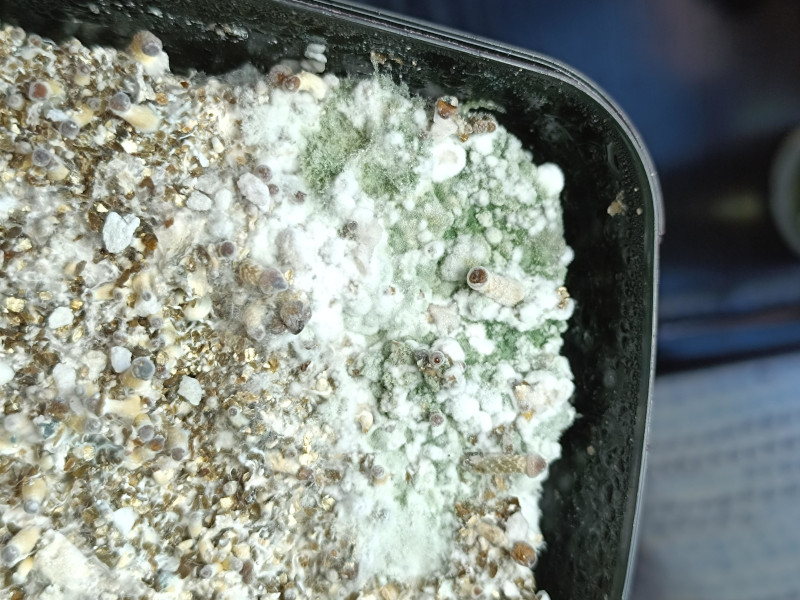
A trip is a colloquial term for an experience with psychedelic substances. It is used both for the whole experience and to describe its intensity (“a strong trip”) or its character (“an introspective trip”).
The word became popular in the 1960s in English-speaking psychedelic culture as a metaphor for the experience: a mental journey that one sets out on and returns from, with a starting point, a course and an end. From English it passed into many other languages, Spanish among them, sometimes also as a slang name for LSD itself. The term does not distinguish between a positive and a negative experience; for that there are more specific terms, such as bad trip.
Did you know? The word even had its own festival. In January 1966, the writer Ken Kesey and Stewart Brand organised the Trips Festival in San Francisco, three nights of music, lights and projections at which the Grateful Dead, among others, played. The event helped carry the word and the psychedelic aesthetic beyond the circles that already knew them.
A trip sitter is a sober, trusted person who accompanies someone during a psychedelic experience or trip, with the aim of providing physical and emotional safety. They are sometimes also called a sitter or a guide, although, unlike a therapeutic facilitator, they do not actively steer the experience.
The trip sitter’s role is not to interpret or guide what the person is going through, but to hold a safe space: keeping an eye on basic physical needs, stepping in calmly if distress or disorientation appears, and making sure the person does not put themselves at risk in their immediate surroundings. Together with set and setting, having a good companion is one of the most recommended harm reduction measures, especially for first experiences or when intense emotional material is expected to come up.
Did you know? In the Mazatec veladas there was also someone who accompanied the participants, but in the opposite role. The healer, man or woman, took the mushrooms alongside the participants, because it was the mushrooms that allowed them to diagnose and heal, and led the ceremony with chants and prayers. The modern trip sitter, by contrast, stays sober and leads nothing: they simply look after the safety of the person having the experience.
Tryptamine is an organic compound made up of an indole ring joined to a short chain with an amino group, derived from the amino acid tryptophan. It gives its name to a large family of molecules that share the same skeleton.
The tryptamine family includes substances produced by the body itself, such as serotonin and melatonin, and many psychoactive alkaloids: DMT, psilocybin, psilocin, baeocystin and norbaeocystin, as well as synthetic compounds such as metocin. In fungi, the making of psilocybin begins precisely by turning tryptophan into tryptamine. The resemblance of these molecules to serotonin explains why they act on its receptors, such as 5-HT2A.
Did you know? DMT existed in the laboratory before it existed in nature, at least as far as science was concerned. The chemist Richard Manske synthesised it in 1931 without suspecting its effects; in 1946 it was identified in a plant for the first time, and nobody knew it was psychoactive until 1956, when the Hungarian physician Stephen Szára decided to try it on himself.
Turkey tail is a very common polypore with thin, semicircular, leathery caps that grow in overlapping tiers, with concentric zones of contrasting colours: browns, greys, blues and blacks. It grows on dead hardwood in forests all over the world.
It is a white-rot saprotrophic fungus, able to break down the lignin in wood, and it has pores on its underside instead of gills. Its common name refers to its resemblance to a turkey’s tail, and its scientific epithet, versicolor, to its range of colours. In China it is known as yun zhi, “cloud mushroom”.
Did you know? A mushroom from a fallen log has given rise to a drug. PSK (polysaccharide K) is extracted from turkey tail; it was isolated in 1971 and approved in Japan in 1977 as a complementary cancer treatment. But it does not come from mushrooms growing in the woods: it is obtained from the cultivated mycelium of one particular strain, CM-101. In the United States, the FDA has not approved it to treat cancer or any other disease.
Tyndallisation is a heat sterilisation method that consists of heating a material several times, usually on three consecutive days, and leaving it to rest between sessions. It is named after the Irish physicist John Tyndall.
Each heating, at about 100 °C, kills the active microorganisms but not the most resistant bacterial spores. During the rest period, in a warm place, those spores germinate, and the next heating kills them in their active, now vulnerable form. It is used for materials that cannot withstand the temperatures of an autoclave, or when none is available. In mushroom growing it is a homemade alternative to sterilisation in a pressure cooker, slower and less reliable, and it should not be confused with pasteurisation, which is done only once and at a lower temperature.
Did you know? Tyndall saw penicillin at work half a century before Fleming. In 1875, while studying how his broths became contaminated, he noticed that wherever the mould Penicillium grew vigorously, the bacteria died or became inactive. He made a note of it, but the effect was irregular: in some tubes the mould won, and in others the bacteria.
The umbo is a raised bump in the centre of the cap of some mushrooms. A cap with an umbo is called umbonate, and when the bump is small and pointed it is called a papilla.
It is an identification feature of macroscopic morphology: it can be broad and rounded, sharp or nipple-shaped, and in some species it only appears in young specimens or disappears as the cap opens. Psilocybe cubensis often has one when young, and Psilocybe semilanceata has a characteristic papilla at the top.
Did you know? The word comes from the Latin umbo, the domed metal boss in the centre of a Roman soldier’s shield. And the papilla of Psilocybe semilanceata explains its scientific name: semilanceata means “half lance-shaped”, because of the pointed outline of its cap.
Ustilago maydis is a parasitic basidiomycete fungus of maize that causes corn smut: the kernels on the cob swell and turn into greyish galls, fleshy inside, which fill with black spores as they mature. In Mexico it is eaten under the name huitlacoche or cuitlacoche.
The galls form because the fungus disrupts the plant’s hormones and makes its tissues grow out of control. To infect, two compatible yeast-like cells must join and form a hypha with two nuclei, a dikaryon, which is the only stage able to invade the plant. In Mexico it has been eaten since pre-Hispanic times and is sold fresh in markets during the rainy season, for quesadillas, soups or sauces. Its name comes from Nahuatl and is usually translated as “degenerate corn cob”.
Did you know? This fungus helped us understand how DNA is exchanged. The British geneticist Robin Holliday studied genetic recombination in Ustilago maydis at the John Innes Institute, and in 1964 he proposed a model of how two DNA molecules cross over and swap fragments. The cross-shaped structure he imagined, the Holliday junction, was confirmed years later.
The veil is a thin membrane of tissue that wholly or partly encloses a mushroom while it is still young. There are two types: the universal veil, which covers the entire fruiting body, and the partial veil, which protects the hymenium and stretches from the cap margin to the stem.
As the mushroom grows, the veil tears and leaves recognisable remnants. Those of the universal veil can remain as patches or warts on the cap and as a volva at the base of the stem; those of the partial veil give rise to the ring or to a curtain of filaments. Their presence and remnants are very important identification features, especially in genera such as Amanita.
Did you know? In some mushrooms the partial veil does not form a membrane but a curtain of fine filaments, like a cobweb, joining the stem to the edge of the cap. The genus Cortinarius takes its name from this curtain, and as the spores fall they stain it rusty brown.
A velada is a night-time healing ceremony of the Mazatec people of Oaxaca, in Mexico, in which psilocybin mushrooms are taken under the guidance of a wise man or woman, the chjota chjine, “one who knows”. In Spanish, velada means a night spent keeping vigil.
It is held at night, in darkness, before an altar with candles, copal, flowers and images of saints, because the tradition blends Indigenous and Catholic beliefs. The healer takes the mushrooms along with the participants and for hours chants and prays in Mazatec to diagnose an illness or find something lost. Species such as Psilocybe mexicana and Psilocybe caerulescens are used. The most famous healer was María Sabina, who in 1955 allowed R. Gordon Wasson to take part in a velada in Huautla de Jiménez. His account in Life magazine, in 1957, made the ceremony known around the world.
Did you know? The first velada released on record was, according to those who recorded it, a failure. The Wassons recorded a ceremony by María Sabina in July 1956, and Folkways Records released it in 1957. In the liner notes they admit that the spirit never descended: there were few mushrooms, tension with the host family, and microphones and flashbulbs that, they believed, inhibited the healer.
Vermiculite is a mineral of the mica group that, when heated rapidly, expands into light, layered granules, like tiny accordions. In mushroom growing it is used for its ability to hold water and air without supplying nutrients.
It is a basic ingredient of home growing. In PF Tek it is mixed with brown rice flour to give the substrate body and moisture, and in CVG it goes alongside coir and gypsum. It is also used as a dry layer on top of jars to protect the substrate from contamination, and in fruiting chambers, as an alternative to perlite, to keep the humidity up. It helps the substrate reach field capacity without becoming waterlogged.
Did you know? Its name comes from the Latin vermiculare, “to breed worms”, because when heated it twists and stretches as if it were worms. For decades, most of the world’s vermiculite came from a mine in Libby (Montana), whose ore was contaminated with asbestos, which caused a serious health crisis in the area. The vermiculite sold today comes from other deposits and is tested to rule it out.
The volva is a sac-, cup- or sheath-like structure surrounding the base of the stem of some mushrooms, a remnant of the universal veil that enclosed the fungus when it was young. It is characteristic of genera such as Amanita and Volvariella.
It can be membranous and sac-like, or broken up into scales, rings or mealy remnants. It is often partly or completely buried, so the whole specimen must be dug out to check whether it has one. Its presence or absence is a critical detail for telling edible species from toxic ones, although it should never be the only identification criterion.
Did you know? In its young stage, Caesar’s mushroom (Amanita caesarea) is completely wrapped in the universal veil and looks like an egg. As it grows, the mushroom breaks through this wrapping and leaves the volva at its base, like an eggshell. The name of the structure comes from the Latin volva, “wrapping”, and that of the species, caesarea, recalls that it was one of the favourite mushrooms of the Roman emperors.
Wood lover is the name growers give to psilocybin species of Psilocybe that grow on wood, especially in temperate and cold climates. The best known are Psilocybe cyanescens, Psilocybe azurescens and Psilocybe subaeruginosa.
They are lignicolous fungi that fruit in autumn on wood chips, sawdust or bark mulch, and they often appear in flower beds in parks and gardens. They usually show very intense bluing and high potency. Unlike Psilocybe cubensis, they are hard to grow indoors and do better in outdoor wood-chip beds. They share their habitat with Galerina marginata, a deadly mushroom with which they are easily confused.
Did you know? When the mycologist Paul Stamets took the journalist Michael Pollan to look for Psilocybe azurescens, he warned him about an effect that other psilocybin mushrooms do not cause: temporary paralysis. It is known as wood lover paralysis and is described as muscle weakness that appears hours after taking them and goes away on its own. It has not been observed with pure psilocybin, nobody has carried out controlled studies on it and its cause remains unknown.
Xylophagous describes an organism that feeds on wood and breaks it down. Applied to fungi, it refers to those that decay wood, whether in the forest or in beams, furniture and buildings. In timber protection they are known as wood-decay fungi.
It is not the same as lignicolous: lignicolous tells us where the fungus lives, and xylophagous what it does to the wood. Depending on what they break down, three types of rot are distinguished. In white rot, the fungus also breaks down lignin, the toughest component, and leaves the wood whitish and fibrous, as turkey tail and the oyster mushroom do. In brown rot, it breaks down the cellulose and leaves brown remains that crack into cubes, like the dry rot in buildings caused by Serpula lacrymans, described under rhizomorph. In soft rot, typical of very wet wood, the attack is slower and more superficial.
Did you know? Some wood fungi do not so much destroy it as dye it. Chlorociboria stains wood an intense blue-green, and Italian cabinetmakers of the 15th century were already using it in their marquetry. Centuries later, in the English town of Tunbridge Wells, boxes decorated with wood mosaics became famous, and the green in them is the fungus’s work.
Yeasts are fungi made up of a single cell, usually round or oval, which, unlike most fungi, do not usually form hyphae or mycelium. Around 1,500 species are known.
Almost all reproduce by budding: a small bud grows out of the mother cell until it separates as a new individual. Some can also reproduce sexually, forming ascospores or basidiospores. The best known, Saccharomyces cerevisiae, turns sugars into carbon dioxide and alcohol when it lacks oxygen, and for millennia it has made bread rise and beer and wine ferment, as explained under fungal fermentation. Others, such as those of the genus Candida, live in our bodies without causing problems, but can cause infections if the body’s balance is upset.
Did you know? Yeasts may have left their mark on our evolution. According to the so-called “drunken monkey hypothesis”, around 10 million years ago, when our ancestors were beginning to spend more time on the forest floor, the common ancestor of humans, chimpanzees and gorillas acquired a version of the enzyme ADH4 about 40 times more efficient at processing alcohol. This allowed it to eat fallen fruit fermented by yeasts without getting intoxicated, a source of calories other animals were missing out on. It should not be confused with the stoned ape theory.
Zygomycetes are a traditional group of very fast-growing fungi, with hyphae that have almost no septa, which reproduce sexually by forming zygospores: thick-walled, resistant spores that arise from the joining of two hyphae. They include moulds as common as Rhizopus and Mucor.
Genetic studies have shown that they do not form a natural group, and since 2016 their members have been divided among other phyla, although the name is still used for convenience. They include Pilobolus, the dung fungus described under coprophilous, and Rhizopus oligosporus, used to make tempeh, as explained under fungal fermentation. In mushroom growing they are frequent contaminants of grain: they grow within hours and can be recognised by their grey filaments and tiny black heads, like pins.
Did you know? For decades it was believed that the fungus Rhizopus microsporus produced rhizoxin, the toxin with which it attacks rice seedlings. In 2005, a German team discovered that it is actually made by bacteria living inside the fungus’s cells. The partnership is so close that, without its bacteria, the fungus cannot even form spores.
These are the general works on which Mycopedia is based. Specific details in some entries, such as studies, figures and dates, also have their own source in the next section.
Content and sources last reviewed: October 2026.
Grouped by topic. Within each group, entries are in alphabetical order.
Aborted pin: Straatsma, G., Sonnenberg, A. S. M. and van Griensven, L. J. L. D. (2013). Development and growth of fruit bodies and crops of the button mushroom, Agaricus bisporus. Fungal Biology, 117(10), 697-707.
Ascomycetes (Ascomycota): Yafetto, L. et al. (2008). The fastest flights in nature: high-speed spore discharge mechanisms among fungi. PLoS ONE, 3(9), e3237. Link
Basidiospores: Hassett, M. O., Fischer, M. W. F. and Money, N. P. (2015). Mushrooms as rainmakers: how spores act as nuclei for raindrops. PLoS ONE, 10(10), e0140407. Link
Basidium: Pringle, A., Patek, S. N., Fischer, M., Stolze, J. and Money, N. P. (2005). The captured launch of a ballistospore. Mycologia, 97(4), 866-871.
Clamp connection: Krings, M., Dotzler, N., Galtier, J. and Taylor, T. N. (2011). Oldest fossil basidiomycete clamp connections. Mycoscience, 52(1), 18-23.
Coprophilous: Yafetto, L. et al. (2008). The fastest flights in nature: high-speed spore discharge mechanisms among fungi. PLoS ONE, 3(9), e3237.
Endomycorrhiza: Remy, W., Taylor, T. N., Hass, H. and Kerp, H. (1994). Four hundred-million-year-old vesicular arbuscular mycorrhizae. PNAS, 91(25), 11841-11843. Link
Ergotism: Caporael, L. R. (1976). Ergotism: the Satan loosed in Salem? Science, 192(4234), 21-26.
Spanos, N. P. and Gottlieb, J. (1976). Ergotism and the Salem village witch trials. Science, 194(4272), 1390-1394.
Fruiting: Adamatzky, A. (2018). On spiking behaviour of oyster fungi Pleurotus djamor. Scientific Reports, 8, 7873.
Fruiting body: Dai, Y.-C. and Cui, B.-K. (2011). Fomitiporia ellipsoidea has the largest fruiting body among the fungi. Fungal Biology, 115(9), 813-814.
Fungal bioluminescence: Oliveira, A. G. et al. (2015). Circadian control sheds light on fungal bioluminescence. Current Biology, 25(7), 964-968. Link
Kotlobay, A. A. et al. (2018). Genetically encodable bioluminescent system from fungi. PNAS, 115(50), 12728-12732.
Fungal pathogen: Scheele, B. C. et al. (2019). Amphibian fungal panzootic causes catastrophic and ongoing loss of biodiversity. Science, 363(6434), 1459-1463.
Gills: Iapichino, M. et al. (2019). A precise relationship among Buller's drop, ballistospore and gill morphology enables maximal packing of spores within gilled mushrooms. Preprint, arXiv:1904.08127. Link
Hypha: Howard, R. J., Ferrari, M. A., Roach, D. H. and Money, N. P. (1991). Penetration of hard substrates by a fungus employing enormous turgor pressures. PNAS, 88(24), 11281-11284. Link
Lichens: Brandt, A. et al. (2015). Viability of the lichen Xanthoria elegans and its symbionts after 18 months of space exposure and simulated Mars conditions on the ISS. International Journal of Astrobiology, 14(3), 411-425. Link
Mycelial sector: Hagley Museum and Library. Unearthing the Keystone Mushroom Farm Collection. Link
Mycelium: Simard, S. W. et al. (1997). Net transfer of carbon between ectomycorrhizal tree species in the field. Nature, 388, 579-582.
Karst, J. et al. (2023). Positive citation bias and overinterpreted results lead to misinformation on common mycorrhizal networks in forests. Nature Ecology & Evolution, 7, 501-511.
Henriksson, N. et al. (2023). Re-examining the evidence for the mother tree hypothesis: resource sharing among trees via ectomycorrhizal networks. New Phytologist, 239(1), 19-28. Link
Mycology: Hawksworth, D. L. and Lücking, R. (2017). Fungal diversity revisited: 2.2 to 3.8 million species. Microbiology Spectrum, 5(4), FUNK-0052-2016.
Mycorrhization: Arditti, J. and Ghani, A. K. A. (2000). Numerical and physical properties of orchid seeds and their biological implications. New Phytologist, 145(3), 367-421.
Knudson, L. (1922). Nonsymbiotic germination of orchid seeds. Botanical Gazette, 73(1), 1-25.
Oyster mushroom (Pleurotus ostreatus): Thorn, R. G. and Barron, G. L. (1984). Carnivorous mushrooms. Science, 224(4644), 76-78.
Parasitic fungi: Fredericksen, M. A. et al. (2017). Three-dimensional visualization and a deep-learning model reveal complex fungal parasite networks in behaviorally manipulated ants. PNAS, 114(47), 12590-12595. Link
Radiotrophic fungi: Dadachova, E. et al. (2007). Ionizing radiation changes the electronic properties of melanin and enhances the growth of melanized fungi. PLoS ONE, 2(5), e457.
Averesch, N. J. H., Shunk, G. K. and Kern, C. (2022). Cultivation of the dematiaceous fungus Cladosporium sphaerospermum aboard the International Space Station and effects of ionizing radiation. Frontiers in Microbiology, 13, 877625. Link
Rhizomorph: Ferguson, B. A. et al. (2003). Coarse-scale population structure of pathogenic Armillaria species in a mixed-conifer forest in the Blue Mountains of northeast Oregon. Canadian Journal of Forest Research, 33(4), 612-623.
Saprotrophic fungi: Floudas, D. et al. (2012). The Paleozoic origin of enzymatic lignin decomposition reconstructed from 31 fungal genomes. Science, 336(6089), 1715-1719.
Nelsen, M. P. et al. (2016). Delayed fungal evolution did not cause the Paleozoic peak in coal production. PNAS, 113(9), 2442-2447.
Spore: Elbert, W., Taylor, P. E., Andreae, M. O. and Pöschl, U. (2007). Contribution of fungi to primary biogenic aerosols in the atmosphere. Atmospheric Chemistry and Physics, 7, 4569-4588. Link
Symbiotic fungi: Branstetter, M. G. et al. (2017). Dry habitats were crucibles of domestication in the evolution of agriculture in ants. Proceedings of the Royal Society B, 284, 20170095. Link
Taxonomy: Peintner, U., Pöder, R. and Pümpel, T. (1998). The iceman's fungi. Mycological Research, 102(10), 1153-1162.
Ustilago maydis: Holliday, R. (1964). A mechanism for gene conversion in fungi. Genetical Research, 5(2), 282-304.
Juárez-Montiel, M. et al. (2011). Huitlacoche (corn smut), caused by the phytopathogenic fungus Ustilago maydis, as a functional food. Revista Iberoamericana de Micología, 28(2), 69-73.
Yeasts: Carrigan, M. A. et al. (2015). Hominids adapted to metabolize ethanol long before human-directed fermentation. Proceedings of the National Academy of Sciences, 112(2), 458-463.
Amanita muscaria: Linnaeus, C. (1753). Species Plantarum. Laurentius Salvius.
Amanita phalloides: Pringle, A. et al. (2009). The ectomycorrhizal fungus Amanita phalloides was introduced and is expanding its range on the west coast of North America. Molecular Ecology, 18(5), 817-833. Link
Galerina marginata: Gulden, G., Dunham, S. and Stockman, J. (2001). DNA studies in the Galerina marginata complex. Mycological Research, 105(4), 432-440.
Koji: Gibbons, J. G. et al. (2012). The evolutionary imprint of domestication on genome variation and function of the filamentous fungus Aspergillus oryzae. Current Biology, 22(15), 1403-1409.
Morel (Morchella esculenta): Ower, R. (1982). Notes on the development of the morel ascocarp: Morchella esculenta. Mycologia, 74(1), 142-144.
Kuo, M. et al. (2012). Taxonomic revision of true morels (Morchella) in Canada and the United States. Mycologia, 104(5), 1159-1177.
Liu, Q., Ma, H., Zhang, Y. and Dong, C. (2018). Artificial cultivation of true morels: current state, issues and perspectives. Critical Reviews in Biotechnology, 38(2), 259-271.
Ophiocordyceps sinensis: Winkler, D. (2008). Yartsa Gunbu (Cordyceps sinensis) and the fungal commodification of Tibet's rural economy. Economic Botany, 62(3), 291-305.
Panaeolus cyanescens: Kalichman, J., Kirk, P. M. and Matheny, P. B. (2020). A compendium of generic names of agarics and Agaricales. Taxon, 69(3), 425-447.
Psilocybe: Redhead, S. A. et al. (2007). Proposal to conserve the name Psilocybe (Basidiomycota) with a conserved type. Taxon, 56(1), 255-257.
Norvell, L. L. (2010). Report of the Nomenclature Committee for Fungi: 15. Taxon, 59(1), 291-293.
Psilocybe azurescens: Stamets, P. and Gartz, J. (1995). A new caerulescent Psilocybe from the Pacific Coast of Northwestern America. Integration, 6, 21-28.
Psilocybe caerulescens: Secretaría de Medio Ambiente y Recursos Naturales (2010). Norma Oficial Mexicana NOM-059-SEMARNAT-2010. Diario Oficial de la Federación, 30 December 2010.
Psilocybe cubensis: van der Merwe, B., Bradshaw, A. J., Dentinger, B. T. M., Tremble, K. and Sharp, C. (2026). Discovery of the closest free-living relative of the domesticated “magic mushroom” Psilocybe cubensis in Africa. Proceedings of the Royal Society B. Link
Psilocybe semilanceata: Brande, E. (1799). Mr. E. Brande, on a poisonous species of agaric. The London Medical and Physical Journal, 3, 41-44.
Reishi (Ganoderma lucidum): Cao, Y., Wu, S.-H. and Dai, Y.-C. (2012). Species clarification of the prize medicinal Ganoderma mushroom “Lingzhi”. Fungal Diversity, 56, 49-62.
5-HT2A receptor: Vollenweider, F. X. et al. (1998). Psilocybin induces schizophrenia-like psychosis in humans via a serotonin-2 agonist action. NeuroReport, 9(17), 3897-3902.
Aeruginascin: Gotvaldová, K. et al. (2021). Stability of psilocybin and its four analogs in the biomass of the psychotropic mushroom Psilocybe cubensis. Drug Testing and Analysis, 13(2), 439-446. Link
Baeocystin: Sherwood, A. M. et al. (2020). Synthesis and biological evaluation of tryptamines found in hallucinogenic mushrooms: norbaeocystin, baeocystin, norpsilocin, and aeruginascin. Journal of Natural Products, 83(2), 461-467.
Bluing: Lenz, C. et al. (2020). Injury-triggered blueing reactions of Psilocybe “magic” mushrooms. Angewandte Chemie International Edition, 59(4), 1450-1454. Link
Default mode network: Raichle, M. E. et al. (2001). A default mode of brain function. PNAS, 98(2), 676-682.
Carhart-Harris, R. L. et al. (2012). Neural correlates of the psychedelic state as determined by fMRI studies with psilocybin. PNAS, 109(6), 2138-2143.
Siegel, J. S. et al. (2024). Psilocybin desynchronizes the human brain. Nature, 632, 131-138.
Drying: Gotvaldová, K. et al. (2021). Stability of psilocybin and its four analogs in the biomass of the psychotropic mushroom Psilocybe cubensis. Drug Testing and Analysis, 13(2), 439-446.
Entourage effect: Ben-Shabat, S. et al. (1998). An entourage effect: inactive endogenous fatty acid glycerol esters enhance 2-arachidonoyl-glycerol cannabinoid activity. European Journal of Pharmacology, 353(1), 23-31.
Russo, E. B. (2011). Taming THC: potential cannabis synergy and phytocannabinoid-terpenoid entourage effects. British Journal of Pharmacology, 163(7), 1344-1364.
Matsushima, Y. et al. (2009). Effects of Psilocybe argentipes on marble-burying behavior in mice. Bioscience, Biotechnology, and Biochemistry, 73(8), 1866-1868.
Inocybe: Kosentka, P. et al. (2013). Evolution of the toxins muscarine and psilocybin in a family of mushroom-forming fungi. PLoS ONE, 8(5), e64646. Link
Jensen, N., Gartz, J. and Laatsch, H. (2006). Aeruginascin, a trimethylammonium analogue of psilocybin from the hallucinogenic mushroom Inocybe aeruginascens. Planta Medica, 72(7), 665-666.
Neuroplasticity: Shao, L.-X. et al. (2021). Psilocybin induces rapid and persistent growth of dendritic spines in frontal cortex in vivo. Neuron, 109(16), 2535-2544. Link
Norbaeocystin: Sherwood, A. M. et al. (2020). Synthesis and biological evaluation of tryptamines found in hallucinogenic mushrooms: norbaeocystin, baeocystin, norpsilocin, and aeruginascin. Journal of Natural Products, 83(2), 461-467.
Norpsilocin: Lenz, C., Wick, J. and Hoffmeister, D. (2017). Identification of ω-N-methyl-4-hydroxytryptamine (norpsilocin) as a Psilocybe natural product. Journal of Natural Products, 80(10), 2835-2838.
Potency: Sharchaton, A. et al. (2026). Surprising variability in tryptamine profiles of Psilocybe cubensis fruiting bodies: inter- and intra-strain differences across 14 strains cultivated under controlled conditions. Journal of Fungi, 12(7), 486. Link
Tsujikawa, K. et al. (2003). Morphological and chemical analysis of magic mushrooms in Japan. Forensic Science International, 138(1-3), 85-90.
Prodrug: Nichols, D. E. and Frescas, S. (1999). Improvements to the synthesis of psilocybin and a facile method for preparing the O-acetyl prodrug of psilocin. Synthesis, 1999(6), 935-938.
Jones, N. T. et al. (2024). In vivo validation of psilacetin as a prodrug yielding modestly lower peripheral psilocin exposure than psilocybin. Frontiers in Psychiatry, 14, 1303365. Link
Psilocin: Lenz, C. et al. (2020). Injury-triggered blueing reactions of Psilocybe “magic” mushrooms. Angewandte Chemie International Edition, 59(4), 1450-1454.
Psilocybin: Schäfer, T., Haun, F., Rupp, B. and Hoffmeister, D. (2025). Dissimilar reactions and enzymes for psilocybin biosynthesis in Inocybe and Psilocybe mushrooms. Angewandte Chemie International Edition.
Tolerance: Isbell, H. et al. (1961). Cross tolerance between LSD and psilocybin. Psychopharmacologia, 2, 147-159. Link
Bad trip: Siff, S. (2015). Acid Hype: American News Media and the Psychedelic Experience. University of Illinois Press.
Contraindications: Nayak, S. M. et al. (2021). Classic psychedelic coadministration with lithium, but not lamotrigine, is associated with seizures: an analysis of online psychedelic experience reports. Pharmacopsychiatry, 54(5), 240-245.
Ego dissolution: Nour, M. M., Evans, L., Nutt, D. and Carhart-Harris, R. L. (2016). Ego-dissolution and psychedelics: validation of the Ego-Dissolution Inventory (EDI). Frontiers in Human Neuroscience, 10, 269. Link
Entheogen: Ruck, C. A. P., Bigwood, J., Staples, D., Ott, J. and Wasson, R. G. (1979). Entheogens. Journal of Psychedelic Drugs, 11(1-2), 145-146.
Flashback (HPPD): Horowitz, M. J. (1969). Flashbacks: recurrent intrusive images after the use of LSD. American Journal of Psychiatry, 126(4), 565-569.
American Psychiatric Association (2013). Diagnostic and Statistical Manual of Mental Disorders (5.ª ed.).
Integration: Bathje, G. J., Majeski, E. and Kudowor, M. (2022). Psychedelic integration: an analysis of the concept and its practice. Frontiers in Psychology, 13, 824077. Link
Lemon tek: Casale, J. F. (1985). An aqueous-organic extraction method for the isolation and identification of psilocin from hallucinogenic mushrooms. Journal of Forensic Sciences, 30(1), 247-250.
Magic truffles: Heim, R., Brack, A., Kobel, H., Hofmann, A. and Cailleux, R. (1958). Déterminisme de la formation des carpophores et des sclérotes dans la culture du Psilocybe mexicana Heim. Comptes Rendus de l'Académie des Sciences, 246, 1346-1351.
Besluit van 17 november 2008 tot wijziging van de lijsten I en II behorende bij de Opiumwet. Staatsblad, 2008, no. 486. Link
Metocin (4-HO-MET): Repke, D. B., Ferguson, W. J. and Bates, D. K. (1981). Psilocin analogs. II. Synthesis of 3-[2-(dialkylamino)ethyl]-, 3-[2-(N-methyl-N-alkylamino)ethyl]-, and 3-[2-(cycloalkylamino)ethyl]indol-4-ols. Journal of Heterocyclic Chemistry, 18(1), 175-179.
Microdosing: Szigeti, B. et al. (2021). Self-blinding citizen science to explore psychedelic microdosing. eLife, 10, e62878. Link
Marschall, J. et al. (2022). Psilocybin microdosing does not affect emotion-related symptoms and processing: a preregistered field and lab-based study. Journal of Psychopharmacology, 36(1), 97-113.
Fadiman, J. (2011). The Psychedelic Explorer's Guide. Park Street Press.
Mystical experience: Griffiths, R. R. et al. (2006). Psilocybin can occasion mystical-type experiences having substantial and sustained personal meaning and spiritual significance. Psychopharmacology, 187(3), 268-283.
Griffiths, R. R. et al. (2008). Mystical-type experiences occasioned by psilocybin mediate the attribution of personal meaning and spiritual significance 14 months later. Journal of Psychopharmacology, 22(6), 621-632.
Psychedelic: Osmond, H. (1957). A review of the clinical effects of psychotomimetic agents. Annals of the New York Academy of Sciences, 66(3), 418-434.
Psychedelic-assisted therapy: Goodwin, G. M. et al. (2022). Single-dose psilocybin for a treatment-resistant episode of major depression. New England Journal of Medicine, 387(18), 1637-1648.
Therapeutic Goods Administration (2023). Change to classification of psilocybin and MDMA to enable prescribing by authorised psychiatrists. Gobierno de Australia.
Národní ústav duševního zdraví (2026). Official statement on the availability of psilocybin treatment. Link
Compass Pathways (2026). Compass Pathways announces FDA granted NDA rolling review request and awarded Commissioner's National Priority Voucher. Link
Set: Olson, J. A. et al. (2020). Tripping on nothing: placebo psychedelics and contextual factors. Psychopharmacology, 237(5), 1371-1382.
Bioremediation: Bumpus, J. A., Tien, M., Wright, D. and Aust, S. D. (1985). Oxidation of persistent environmental pollutants by a white rot fungus. Science, 228(4706), 1434-1436.
Cordyceps militaris: Cunningham, K. G., Manson, W., Spring, F. S. and Hutchinson, S. A. (1950). Cordycepin, a metabolic product isolated from cultures of Cordyceps militaris. Nature, 166, 949.
Endophyte: Stierle, A., Strobel, G. and Stierle, D. (1993). Taxol and taxane production by Taxomyces andreanae, an endophytic fungus of Pacific yew. Science, 260(5105), 214-216.
Heinig, U., Scholz, S. and Jennewein, S. (2013). Getting to the bottom of Taxol biosynthesis by fungi. Fungal Diversity, 60, 161-170.
Functional mushrooms: Ames, B. N. (2018). Prolonging healthy aging: longevity vitamins and proteins. Proceedings of the National Academy of Sciences, 115(43), 10836-10844.
Kalaras, M. D. et al. (2017). Mushrooms: a rich source of the antioxidants ergothioneine and glutathione. Food Chemistry, 233, 429-433.
Lignin: D'Arrigo, P. et al. (2024). From waste to value: recent insights into producing vanillin from lignin. Molecules, 29(2), 442. Link
Mycoprotein: Wiebe, M. G. (2004). Quorn myco-protein: overview of a successful fungal product. Mycologist, 18(1), 17-20.
Mycotoxin: Pickova, D., Ostry, V., Toman, J. and Malir, F. (2021). Aflatoxins: history, significant milestones, recent data on their toxicity and ways to mitigation. Toxins, 13(6), 399. Link
Shiitake (Lentinula edodes): Nakamura, T. (1992). Shiitake (Lentinus edodes) dermatitis. Contact Dermatitis, 27(2), 65-70.
Chu, E. Y. et al. (2013). Shiitake dermatitis: a report of 3 cases and review of the literature. Cutis, 91(6), 287-290.
Spore syringe: McGinnis, M. R., Padhye, A. A. and Ajello, L. (1974). Storage of stock cultures of filamentous fungi, yeasts, and some aerobic actinomycetes in sterile distilled water. Applied Microbiology, 28(2), 218-222. Link
Turkey tail (Trametes versicolor): Fisher, M. and Yang, L.-X. (2002). Anticancer effects and mechanisms of polysaccharide-K (PSK): implications of cancer immunotherapy. Anticancer Research, 22(3), 1737-1754.