





Fantasia Truffles - Mushmagic
Magic truffles
€16.99Price
To access our site, you must confirm that you are at least 18 years old.


If you have tried to find out if psilocybin is legal in your country, you have probably ended up more confused than before. It’s not your fault: the legal framework of psychedelic mushrooms is a mosaic of contradictions where the same substance can be medicine in one country, a serious felony in another, and a legal loophole in the one next door.
The root of this confusion lies in the 1971 UN Convention on Psychotropic Substances, which included psilocybin in Schedule I of internationally controlled substances. But the convention left implementation in the hands of each country, and that’s where the chaos began. Some banned everything. Others forgot about the spores. Others created exceptions for traditional or medical use. The result is the labyrinth we navigate today.
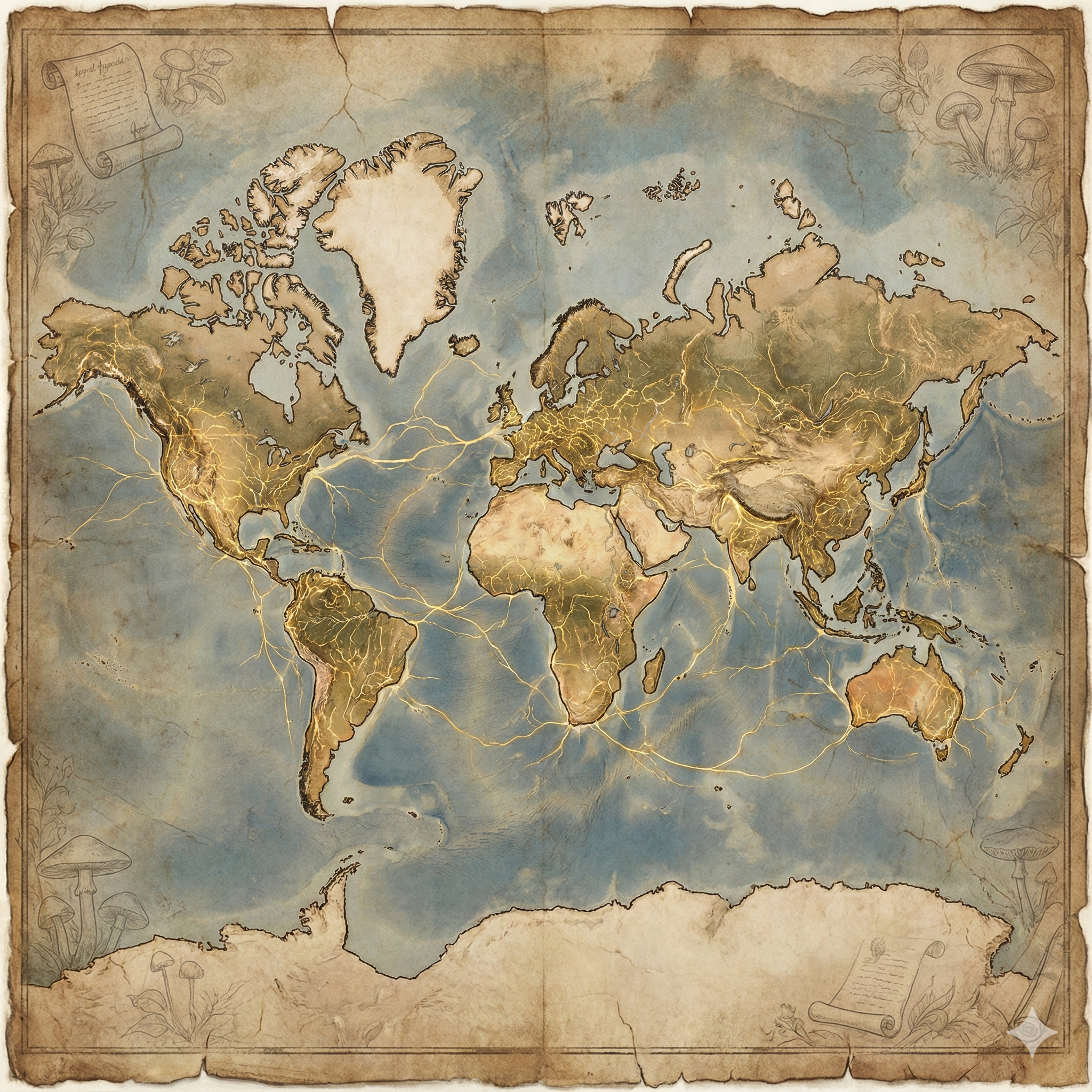
To orient yourself on this map, you need to understand certain fundamental distinctions:
This article is an orientative guide, not legal advice. Laws change and jurisprudence varies. Always verify the legislation in force in your jurisdiction.
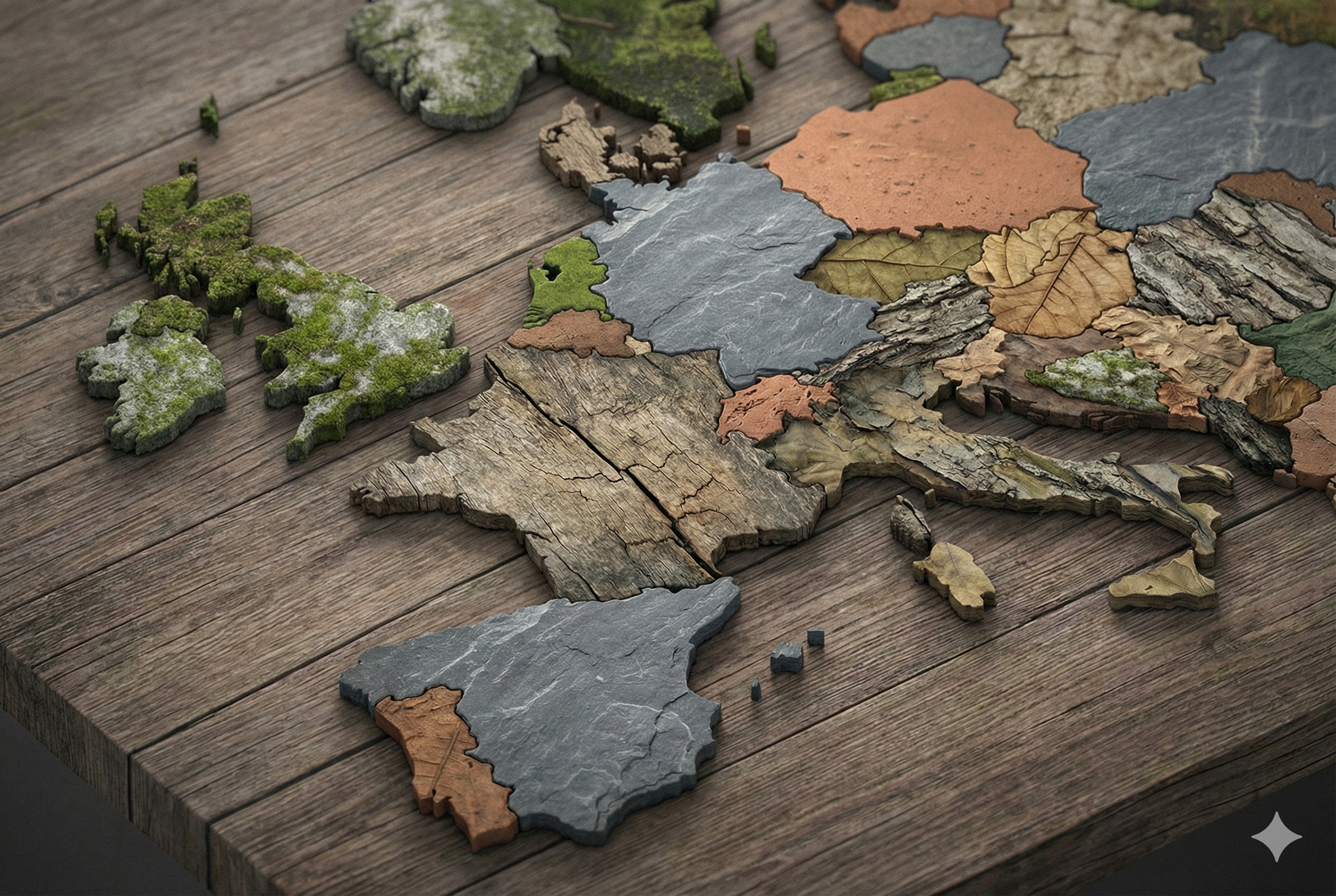
The Netherlands is the only country in Europe where you can walk into a store and legally buy a ready-to-use psilocybin product. However, the history is curious: in 2008 the government banned mushrooms (shrooms), but the law left out sclerotia.
Why? Biologically, magic truffles are hardened food reserves that grow underground, distinct from the fruiting body (the mushroom). This biological technicality allowed them to remain outside the ban. Today, truffles are sold legally in smartshops.
Spain occupies a peculiar position. Spores are legal because they do not contain psilocybin. You can legally buy spore vials or prints for mycological study or collection. Grow kits are also sold under the premise of ornamental or educational use. The sale of the material is legal; the responsibility for the final use lies with the buyer.
The critical nuance of the "Gag Law" (Ley Mordaza): Although consumption in the private sphere is not a criminal offense, the Citizen Security Law administratively sanctions possession and consumption in public places. Watch out here: the police do not need to weigh the mushrooms or prove you were going to sell them; simple exhibition or possession on the street is enough for a seizure report and a fine starting at 601 euros.
In practice, police action in Spain focuses almost exclusively on the public sphere. Consumption in the private sphere is not usually prosecuted criminally, according to jurisprudence.
France maintains one of the most restrictive legal frameworks in Europe. Psilocybin is classified as a narcotic and, unlike other countries, French law is particularly severe even with the mere presentation of the substance. Spores can be confiscated, and cultivation is actively prosecuted.
In practice, police intervention concentrates mainly on cases of cultivation, distribution, or importation, while passive possession of spores—although legally fragile—is not usually a police priority unless there are other aggravating factors.
Since 2001, Portugal has decriminalized all drugs. If you are caught with an amount for personal consumption (roughly equivalent to several days' supply), it is not a criminal offense, but an administrative infraction referred to a Dissuasion Commission. However, it is not legal: there are no mushroom shops or regulated market.
Germany is known for its legal rigor (BtMG law), but it has an important technical exception: spores are legal. As in Spain, they do not contain psilocybin, so their sale and possession for study is legal.
However, the red line is thicker here: mushroom grow kits (which already contain mycelium) are prohibited and prosecuted, as German courts consider active mycelium to be already a controlled substance or a preparatory act for a crime. If you live in Germany, buying spores is safe; buying kits or cultivating hallucinogenic mushrooms is a legal risk.
Denmark presents a fascinating paradox. On the one hand, it is one of the European leaders in psychedelic research: since 2022, there has been a legal framework allowing doctors to request special permits to treat patients with psilocybin.
However, for the citizen, the law is severe: possession and cultivation are heavily penalized. Spores exist in a grey area, as although there is no explicit ban on spores, customs practice is restrictive and strict in intercepting shipments.
As of today, January 1, 2026, the Czech Republic becomes the first country in the European Union to explicitly regulate the medical use of psilocybin. Unlike the "legal loophole" model for truffles in the Netherlands, Prague has opted for a strictly clinical route.
Unlike Germany, Austria permits the sale and possession of grow kits with live mycelium. The law does not criminalize mycelium in the vegetative phase, so you can freely acquire kits under the premise of ethnobotanical research.
The red line: The crime begins with "fruiting". It is legal to buy and have the kit, but if you activate it so that mushrooms are born, it is considered production of narcotics. Legality depends strictly on the mushroom never developing.
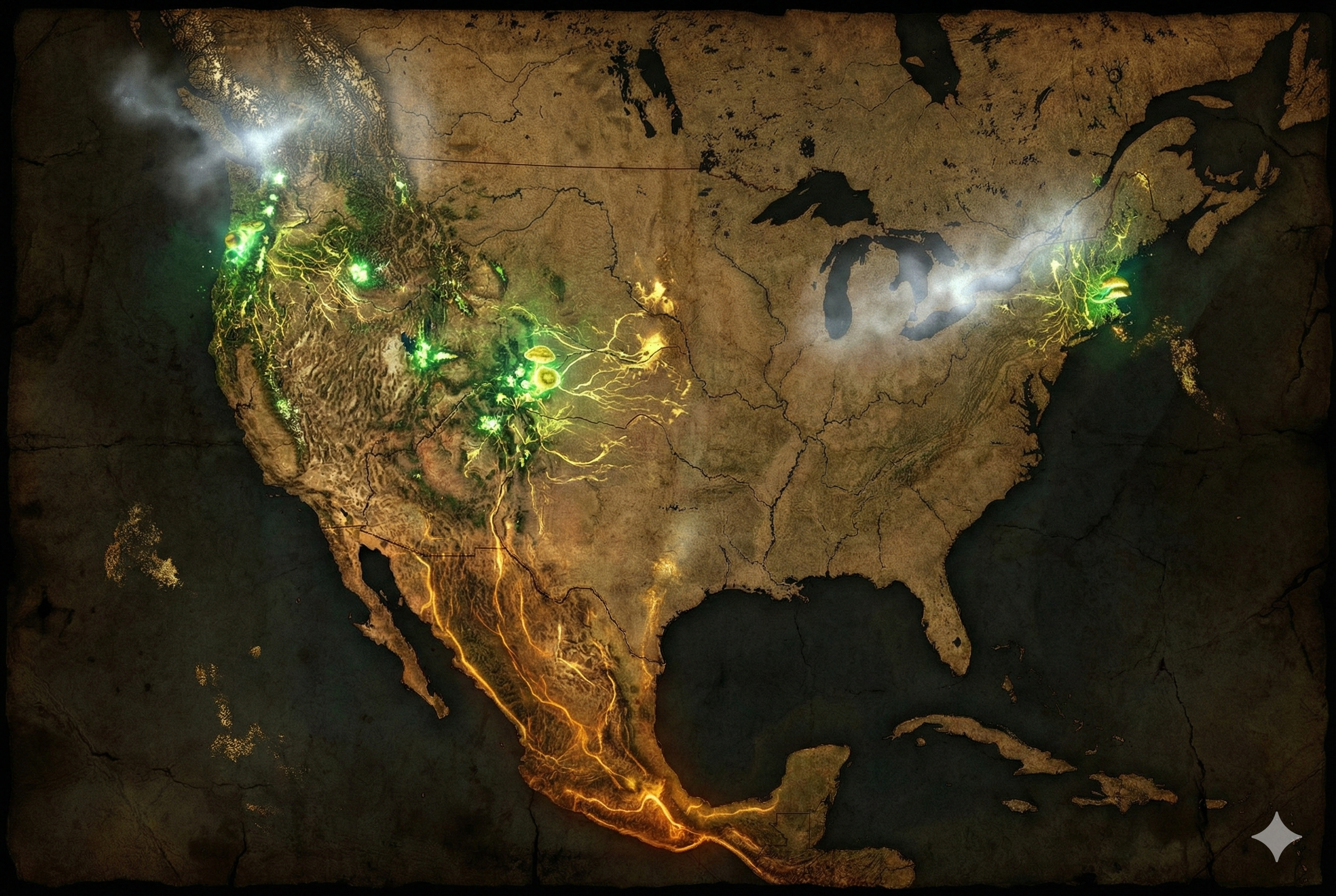
The US is living a profound legal contradiction. At the Federal level (DEA), psilocybin remains in Schedule I, considered a dangerous drug with no medical value. This means that crossing state lines or using the national banking system for mushroom businesses remains a serious crime.
However, states are using their sovereignty to create "bubbles" of legality that defy Washington. By 2026, the map is divided into three very different realities:
Oregon was the pioneer with Measure 109, but its approach is strictly therapeutic and supervised. There is no "free use". You cannot go to a store to buy mushrooms to take home, nor cultivate legally.
The practical reality: You must go to a licensed "Service Center", buy the substance there, and consume it on-site under the surveillance of a facilitator. It is legal, but expensive (thousands of dollars per session) and focused mainly on health tourism, not the local user.
This is the dominant trend in 2026. Colorado (Proposition 122) and recently Massachusetts (Question 4, approved in late 2024) have gone a step further, legalizing "natural personal use".
The revolutionary part: In these two states, adults over 21 have the right to cultivate, possess, and share (gift without money involved) psilocybin mushrooms and other psychedelic plants. Here you can cultivate in your home without fear of the police. Additionally, both states are rolling out networks of regulated healing centers similar to those in Oregon.
California presents a frustrating situation. Despite being the cradle of psychedelic culture, attempts at state legalization have repeatedly failed (governor vetoes and legislative blocks). However, powerful cities like San Francisco, Santa Cruz, Oakland, or Detroit (Michigan) function as islands of tolerance.
In these cities, the policy of "lowest priority" applies. Police do not prosecute personal consumption or cultivation, and "underground" clubs or dispensaries operate in broad daylight. Note: Although local police may not act, you lack the armored state protection you have in Colorado or Massachusetts.
Canada offers one of the most fascinating situations in the world. On paper, psilocybin is illegal except for very specific medical exemptions granted by Health Canada.
However, the reality in cities like Vancouver or Toronto is one of massive civil disobedience. Physical stores with street-facing windows (Dispensaries) exist, selling dried mushrooms, gummies, and microdoses. Police conduct occasional raids, but the stores (which offer no consumer protection or legal guarantees) usually reopen within a few hours. They operate illegally and police raids, although rare, do occur, and the customer may lose their money or face charges. It is a cat-and-mouse game where the user has easy access, but no absolute legal guarantee.
Mexico represents one of the most complex and misunderstood scenarios in the world. Although the country is the cradle of ancestral uses (with iconic figures like María Sabina), the legal reality for the tourist is risky.
This region has unexpectedly become the world's legal laboratory. While others debate, Australia and New Zealand have already taken the step of integrating psychedelics into their official healthcare systems, albeit with very high barriers to entry.
Australia was a global pioneer in reclassifying psilocybin for psychiatric use in July 2023. Three years later, in 2026, the "Australian Model" offers critical lessons on the gap between theoretical legality and actual access.
New Zealand watches its Australian neighbor closely but advances with caution. While there is no open medical access, the government has begun granting special case-by-case permits for specific psychiatrists to treat very specific patients.
Most relevant for the future is research: the first licenses have been granted for the cultivation of indigenous mushrooms for scientific purposes. It is not commercial legalization, but it is the first legal step to create a local medical industry in the coming years.
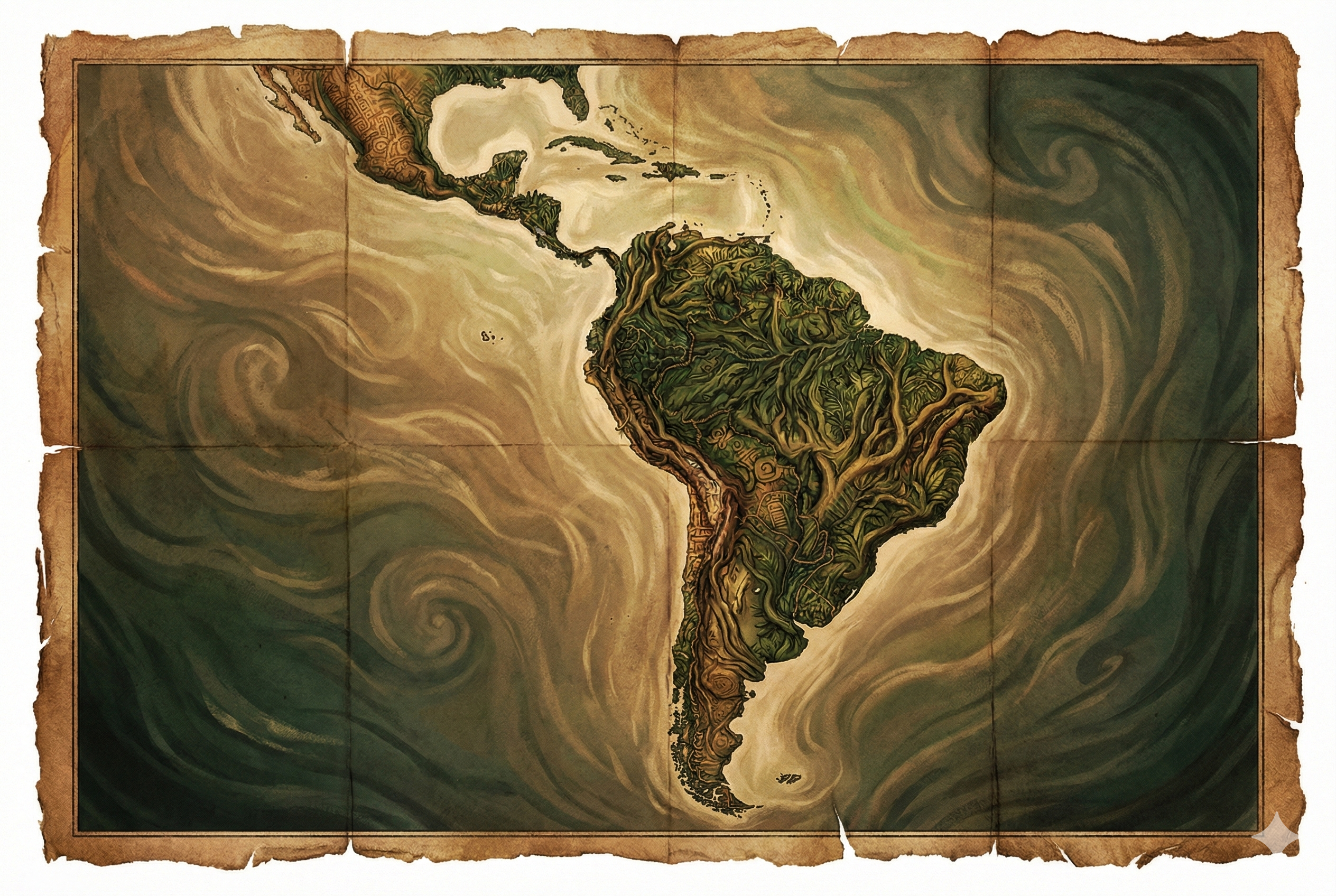
Here the approach is radically opposite to that of Oceania. There are no large pharmaceutical structures, but a mixture of cultural tolerance, constitutional legal loopholes, and psychedelic tourism.
Argentina lives a unique "de facto decriminalization". Although written law penalizes possession, the famous "Arriola Ruling" of the Supreme Court (2009) established jurisprudence not to punish private consumption that does not affect third parties.
The big news came at the end of 2025: the province of Misiones approved the first law to investigate medicinal fungal resources, opening a historic crack in prohibition that could facilitate future scientific studies.
Brazil is one of the most lax legal environments in the world currently. ANVISA (health agency) prohibits the molecules psilocybin and psilocin in its List F2, but the mushroom Psilocybe cubensis as a species is not explicitly listed. This technicality allows websites to sell kits and fresh mushrooms openly. There is no sanitary regulation, but neither is there active police persecution of the end user.
Chile is emerging as one of the key players in the region. Currently, the substance remains on List I, but there is a very strong parliamentary and health movement pushing for medical regulation. Various bills and health commissions are debating therapeutic use protocols. Although there is no signed law yet, Chile is today the Hispanic American country with the most advanced political discussion on the subject.
In Colombia, the Constitutional Court has historically protected the carrying of the "personal dose" of narcotics, including mushrooms, as long as it is not for sale. You can legally possess small amounts for your immediate use without going to jail, although buying or selling remains a crime. It is a delicate balance.
The Caribbean plays by other rules. Jamaica and the Bahamas never banned mushrooms, so they operate with a total free market. There, retreats, shops, and sales to tourists are 100% legal and established businesses.
Costa Rica, although technically having restrictive laws, applies a "closed eyes" policy that has allowed a millionaire industry of luxury retreats for foreigners to flourish, operating in a tolerated grey zone.
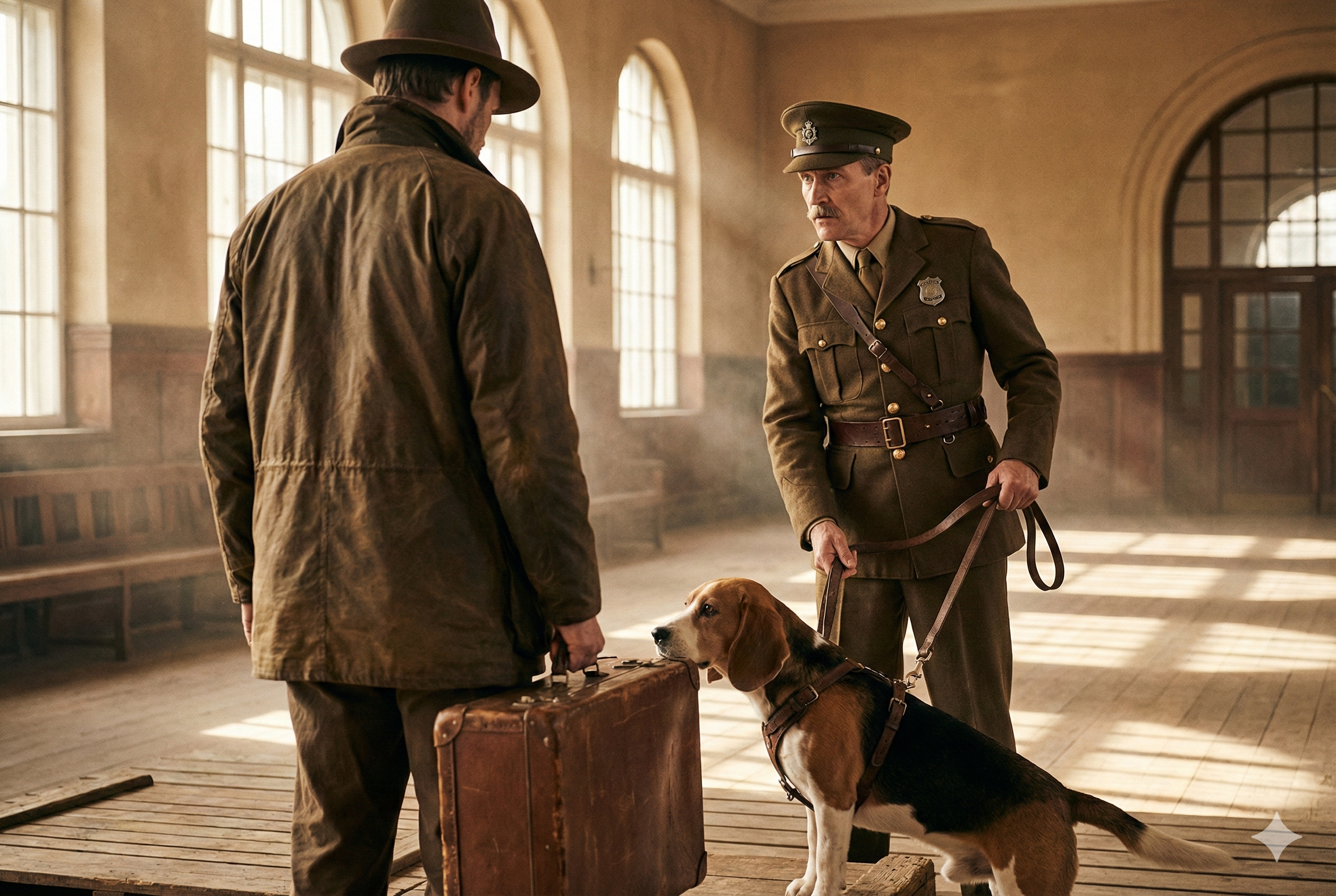
This is the most dangerous mistake. Crossing a border with mushrooms or truffles—even within the European Union—automatically transforms possession into international drug trafficking. The penalties are much more serious than a simple fine on the street.
What happens at airports?
Beware of camouflage: Trying to hide microdoses in vitamin bottles is a tactic known to customs. In Asian or Middle Eastern countries, this can lead to immediate prison sentences. The risk is not worth it.
By way of summary, the following table offers a quick and orientative view of the legal status by country. Always consult specific details and nuances.
| Legal Model | Country / Region | Actual Situation and Regulations |
|---|---|---|
| LEGAL MARKET (Regulated or free sale) |
🇳🇱 Netherlands | Legal retail sale. Sclerotia (truffles) are sold in Smartshops under the Opiumwet. The mushroom is prohibited. |
| 🇯🇲 Jamaica | Free market. Never scheduled. Retreats and public sales operate without legal restrictions. | |
| 🇧🇸 Bahamas | Free market. Full legality allowing the operation of psilocybin resorts. | |
| DECRIMINALIZED (No commercial market) |
🇵🇹 Portugal | Law 30/2000. Possession of small amounts is an administrative (health) infraction, not a criminal offense. No sales. |
| 🇺🇸 Colorado | Regulated natural use. Cultivation, possession, and gifting between adults is allowed. Sales remain prohibited. | |
| 🇨🇴 Colombia | Personal dose. Constitutionally protected. Commercial cultivation and sales remain a crime. | |
| CLINICAL MODEL (Under supervision) |
🇨🇿 Czech Republic | Legal (Medical Only). Effective 01/2026. Exclusive for psychiatric treatments. Recreational sale and tourist possession remain prohibited. |
| 🇦🇺 Australia | Authorized psychiatry (TGA). Only country with national prescription for resistant depression. Very restricted and expensive access. | |
| 🇺🇸 Oregon | Service Centers. Legal access only within licensed facilities and with a facilitator. No "to-go" sales. | |
| 🇩🇰 Denmark | Strict research. Very restricted licenses for medical use and research. Psilocybin illegal for the general public. | |
| 🇳🇿 New Zealand | Case by case. Individual permits for prescription and scientific cultivation licenses. Gradual advances. | |
| GREY ZONE / UNREGULATED (Kits/spores market) |
🇧🇷 Brazil | Legal loophole (ANVISA). Online sale tolerated because the mushroom is not explicitly listed, although psilocybin is. Fragile legal security. |
| 🇪🇸 España | Sale of materials. Kits and spores for free sale (ornamental use). Possession in public places is fined ("Gag Law"). | |
| 🇦🇹 Austria | Legal kits. Sale and possession of mycelium is allowed. The crime is biologically triggered upon fruiting (mushroom birth). | |
| 🇩🇪 Germany / 🇬🇧 UK | Spores Only. Legal access to spores for microscopy. Cultivation is harshly prosecuted (UK: Class A). | |
| 🇦🇷 Argentina | Arriola Ruling. Written law prohibits it, but supreme jurisprudence protects private personal consumption. Huge self-cultivation community legally tolerated. | |
| PROHIBITION | 🇫🇷 France | Strict. Classified as a narcotic. Even "favorable presentation" is actively prosecuted. |
| 🇨🇱 Chile | List I. Full illegality pending new regulatory frameworks under debate. |
The map changes fast. While Europe advances slowly driven by scientific research, the United States is fracturing prohibition by dint of state referendums. 2026 will be a key year to see if the "personal freedom" model consolidates in Colorado, extending to new territories, or if the pharmaceutical and restricted model of Australia prevails.
Although the global map is slowly turning green, current reality requires acting with intelligence. It is not necessary to cross red lines or risk administrative sanctions to get closer to this fascinating natural kingdom. While the law decides the future of psilocybin, the 100% legal and safe gateway in most countries remains the same: microscopic study and genetic collection.
Understanding the map is today a form of responsibility. Get informed, verify local laws, and always act with prudence and responsibility.
This article has been prepared following an exhaustive review of the legislative frameworks in force as of January 2026. Given legal volatility, we recommend contrasting with official sources:
Disclaimer: The content exposed here is for purely informational and journalistic purposes. It does not constitute legal advice.
Last update: January 2026