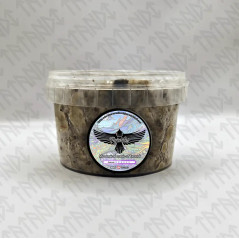






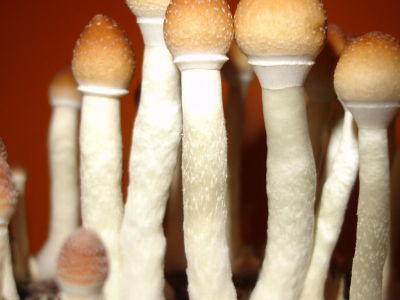

Fantasia Truffles - Mushmagic
Magic truffles
€16.99Price
To access our site, you must confirm that you are at least 18 years old.



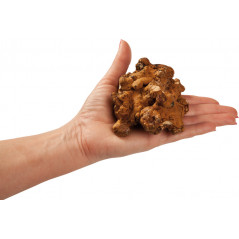
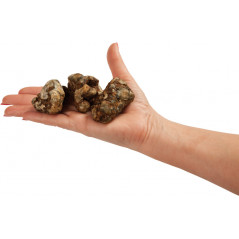
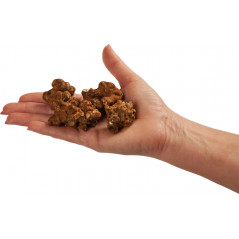
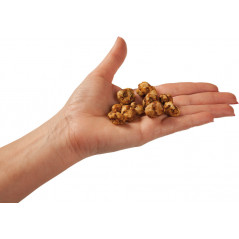
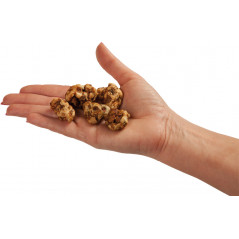
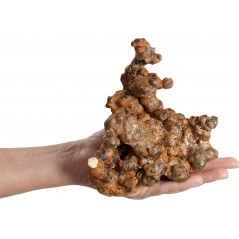
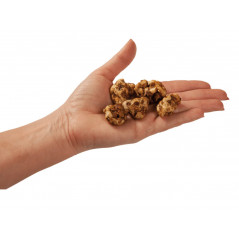
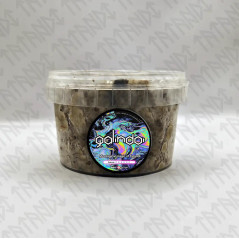
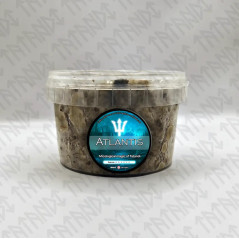
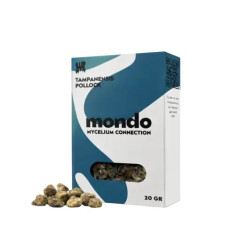
Psilocybian sclerotia —commonly known as magic truffles— are reserve structures of the mycelium of certain species of the genus Psilocybe. Unlike fruiting bodies, they develop underground as a survival mechanism when conditions do not favour surface fruiting. Their density, lower water content and stable alkaloid profile clearly distinguish them from the hallucinogenic mushrooms of the same genus. They share no botanical relationship with the gastronomic truffles of the genus Tuber: the popular name refers exclusively to their psilocybin content.
The Mushverse catalogue brings together some of the most documented and sought-after species in psychoactive mycology: Psilocybe mexicana, P. tampanensis, P. atlantis, P. utopia and P. hollandia, among others.
All products are sold exclusively for decorative, ornamental or mycological study purposes, and are under no circumstances intended for human consumption.


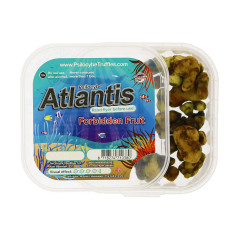
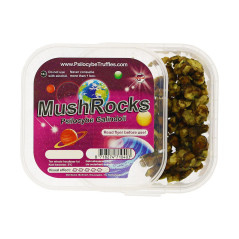
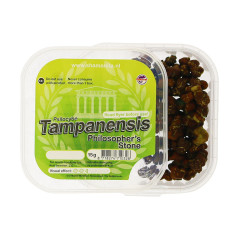
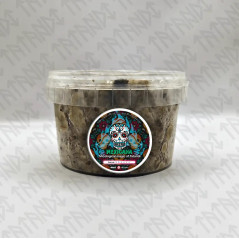
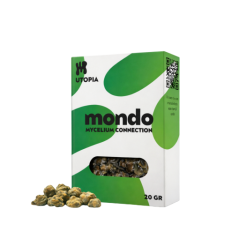
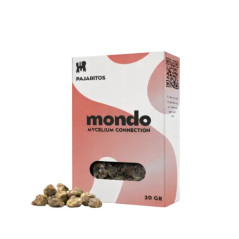
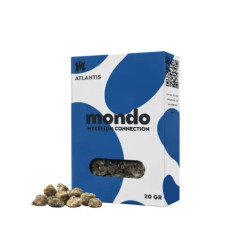
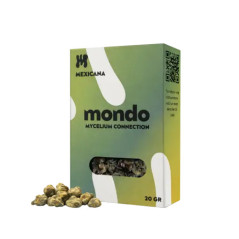
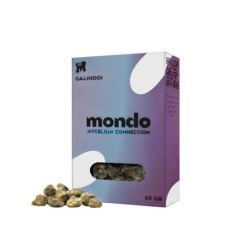
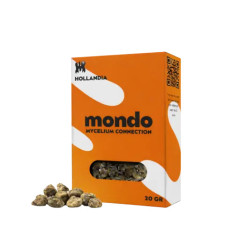
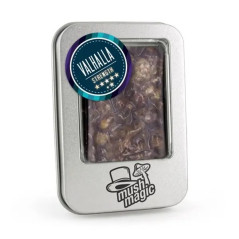

The catalogue covers a range spanning from species with centuries of documented use —such as Psilocybe mexicana, a cornerstone of Mesoamerican ethnobotany and the subject of Hofmann's earliest studies— to contemporary Dutch commercial selections such as Psilocybe hollandia and Psilocybe utopia. Each variety presents a distinct alkaloid profile in terms of concentration and psilocybin/psilocin ratio, allowing for comparison of specimens with differentiated chemical characteristics. The catalogue is updated based on the availability and quality of material.
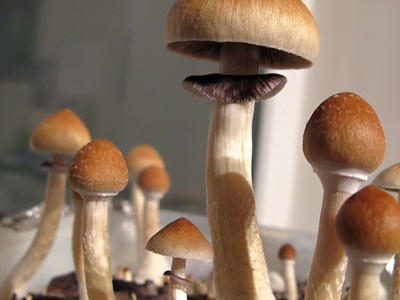
Unlike fruiting bodies —which emerge, sporulate and die within days or weeks—, sclerotia can remain viable underground for months, storing nutrients and bioactive compounds in a dense, compact matrix.
This density is what distinguishes them in practical terms: lower water content, greater chemical stability and a longer shelf life under refrigeration conditions. Their alkaloid profile —dominated by psilocybin and psilocin in variable proportions depending on the species— is well documented in the mycological literature. Both compounds act on the serotonin receptors of the central nervous system, particularly the 5-HT₂A receptor, which accounts for the perceptual and cognitive alterations documented in contemporary neuroscience studies. This makes them one of the most widely used reference materials in the study of psychoactive compounds of the genus Psilocybe.
The species in the catalogue have accumulated very different layers of nomenclature: some carry ancestral names linked to centuries of ritual use —such as Teonanácatl for P. mexicana, a Nahuatl term translating as "flesh of the gods" that appears in the first ethnobotanical descriptions by R. Gordon Wasson in the nineteen-fifties—; others bear purely commercial denominations coined by the Dutch industry of the nineteen-nineties, such as "Philosopher's Stone" for P. tampanensis, a name chosen for the introspective and reflective character attributed to it.
The available varieties are classified according to their documented potency and the proportion of their active compounds. The following table facilitates comparative selection based on the intensity of each specimen: The following table guides selection according to the documented intensity of each variety:
| Intensity | Varieties | Known denomination | Indicative profile |
|---|---|---|---|
| Mild | P. mexicana, P. tampanensis | Teonanácatl / Pajaritos — Philosopher's Stone | Balanced profile, subtler and more manageable effects. The usual choice for those beginning their study of the species. |
| Medium | P. atlantis P. hollandia |
Atlantis Hollandia |
Intermediate profile, well documented and widely present in comparative studies. Both are commercial denominations of Dutch origin. |
| Strong | P. utopia | Utopia | The most pronounced profile in the catalogue. Highest documented alkaloid concentration. Commercial denomination derived from P. atlantis. |
The exact concentration varies according to the batch and cultivation conditions.
The clinical and ethnobotanical literature documents the following effects based on the dose administered in adults (expressed in grams of fresh sclerotium):
| Amount | Effect profile |
|---|---|
| 5 – 7 g | Mild effects. Subtle perceptual alteration, elevated mood. |
| 10 – 15 g | Moderate effects. Visual alterations, introspection, non-linear thinking. |
| 15 – 20 g | Intense effects. Marked alteration of perception and sense of time. |
Effects typically onset between 20 and 60 minutes after ingestion and may last between 4 and 6 hours, depending on the variety, dose and metabolic state of the individual.
Fresh sclerotia are living organisms and require specific conditions to maintain their viability and alkaloid composition.
The Mushverse blog offers specific resources on magic truffles, from their biology and chemistry to the legal framework and responsible use:
Psilocybian sclerotia are underground structures of the mycelium of certain species of the genus Psilocybe. They develop as a reserve mechanism when the fungus cannot fruit at the surface. Their popular name —magic truffles— refers to their psilocybin content, the main psychoactive alkaloid of the genus. At a taxonomic level, these sclerotia do not share an evolutionary family with traditional culinary truffles of the genus Tuber.
Fresh and in sealed packaging, between two and four weeks under refrigeration at 2–4 °C. Once the packaging is opened, it is advisable to use them within the following days. They should not be frozen.
The legal framework varies significantly between countries. In some EU member states, such as the Netherlands, psilocybian sclerotia have a legal status differentiated from mushrooms, being considered a distinct vital phase of the fungus. In others, regulations on psilocybin and psilocin may also apply to sclerotia.
The commercialisation of this catalogue complies with the applicable framework in each case: products are sold exclusively for decorative, ornamental or mycological study purposes, with no intended use for human consumption. It is the buyer's responsibility to verify the regulations in force in their country before making any purchase.
Both belong to the same organism but are distinct structures. Mushrooms are the fruiting bodies; sclerotia are underground reserve structures. Sclerotia have lower water content, greater chemical stability and a longer shelf life under refrigeration.