










Fantasia Truffles - Mushmagic
Magic truffles
€16.99Price
To access our site, you must confirm that you are at least 18 years old.


In May, the alpine meadows of the Tibetan Plateau and the Himalayas remain in almost absolute silence. We are in the transition zone between life and ice, at an altitude ranging between 3,500 and 5,000 meters. Here, oxygen is scarce, and the breeze barely moves the sparse grass.
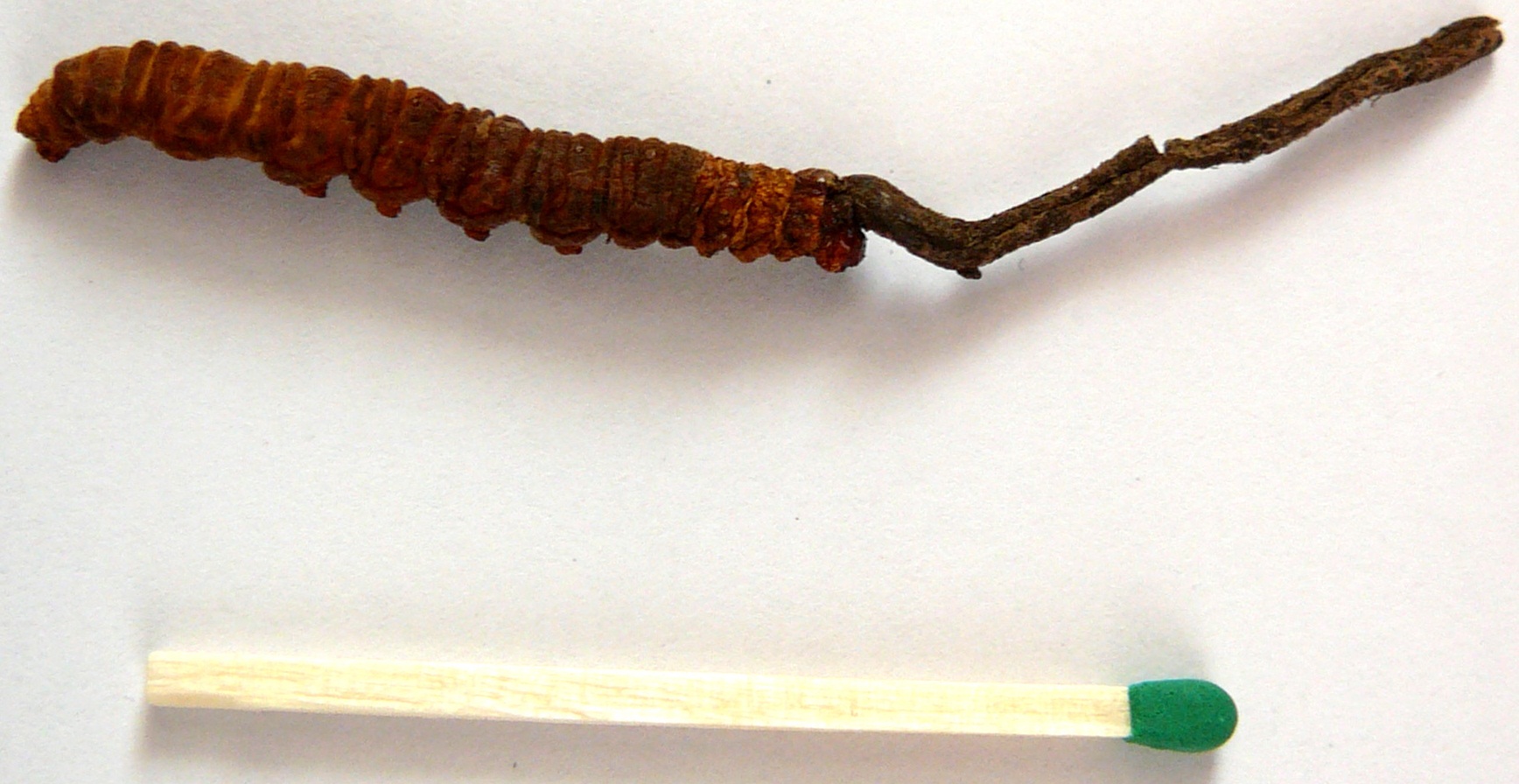
However, the landscape is deceiving. If one looks closely, they will see there is no solitude: hundreds of villagers crawl slowly along the slopes, with their noses pressed to the damp earth, scanning every centimeter of ground. They are not looking for minerals. Between the cracked fingers of a harvester appears the unexpected: a small dry, brown stem, no bigger than a matchstick.
.jpg)
To the naked eye, it looks like a piece of dead root. And yet, this fragment of hybrid life is worth more than its weight in gold today. Its sale funds schools in Kathmandu and builds houses in remote villages. But this treasure is also the epicenter of an ecological and social conflict. Yarsagumba is not just a fungus; it is an exact barometer of human greed and the delicate balances of an ecosystem on the edge.
The mystery of yarsagumba—whose Tibetan name literally translates to "summer grass, winter worm"—begins underground with a script worthy of a biological thriller. Unlike its tropical "cousins" that infect ants in dense jungles, O. sinensis has achieved extreme specialization: it is the only one capable of thriving by parasitizing larvae under the snow and resisting the UV radiation of the high mountains.
Beyond the mystique, science has tried to decipher why an organism that looks like a dry root is capable of mobilizing millions of dollars. By taking Ophiocordyceps to the laboratory, researchers have isolated the chemical culprits of its fame. The undisputed protagonist is cordycepin, a compound unique to this genus that modern medicine studies with fascination for its anti-inflammatory potential and its ability to slow down certain tumors in culture dishes.
Added to this biological cocktail is adenosine, the key molecule that would explain that promise of "inexhaustible energy" and sexual vigor sold by merchants, as it is fundamental for improving cellular oxygenation and blood flow. All this wrapped in complex polysaccharides that act as immune system modulators.
However, here lies the last important nuance: there is an abyss between a Petri dish and the human body. Although in vitro studies are promising, Western science still seeks the robust clinical evidence to validate what Traditional Chinese Medicine has been stating empirically for centuries.
For centuries, yarsagumba was a secret of Traditional Chinese Medicine (TCM), reserved exclusively for the imperial court. It was considered a potent tonic capable of balancing Yin and Yang, strengthening the kidneys, and cleansing the lungs.
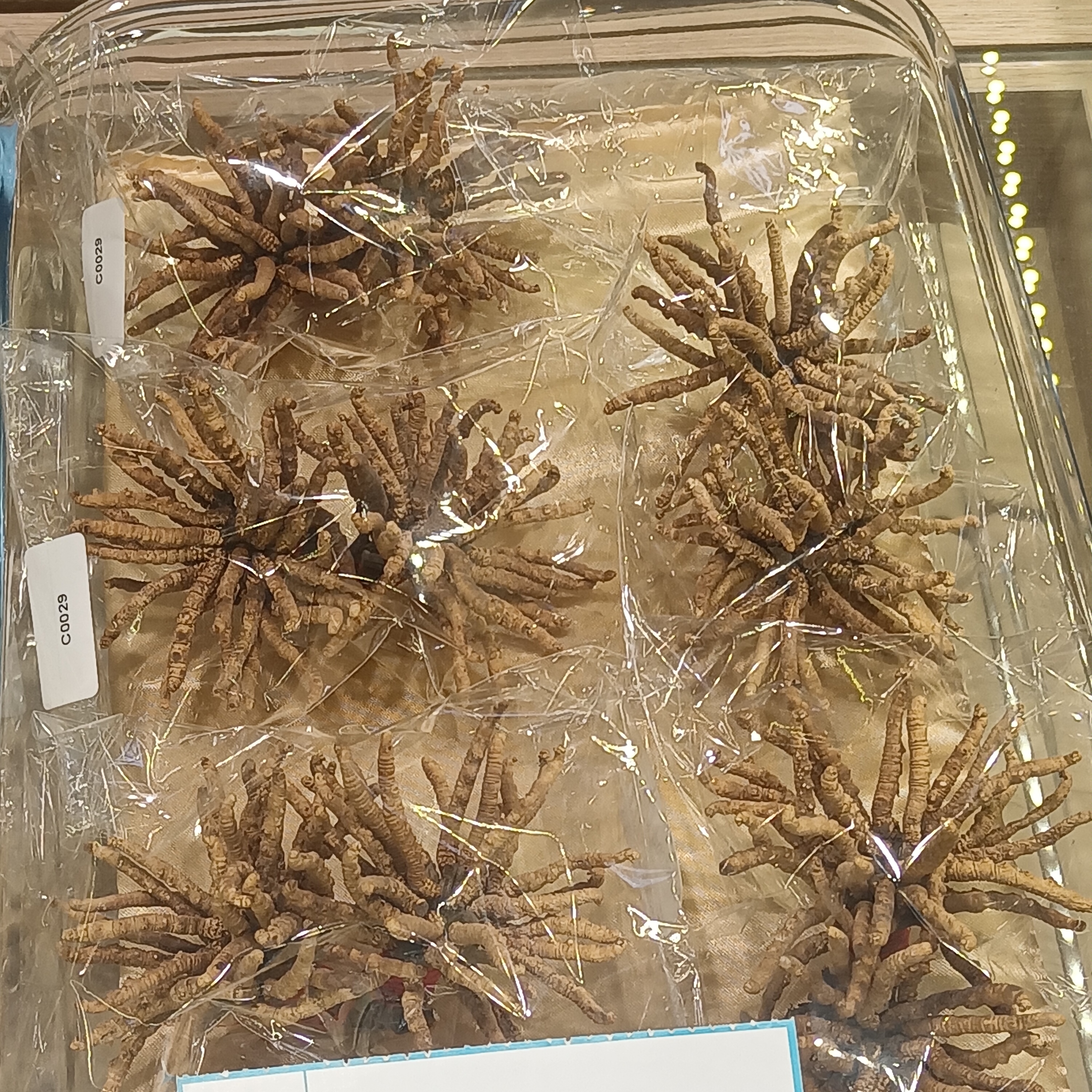
However, the modern market transformed this remedy into a global status product. Erroneously dubbed the "Himalayan Viagra," its demand skyrocketed not only for health but as a symbol of power. At a business dinner in Beijing, serving cordyceps soup is the equivalent of opening a 5,000-euro bottle of wine.
The global turning point occurred in 1993, during the World Athletics Championships in Stuttgart. The Chinese women's team, known as 'Ma's Army,' shattered several world distance records. Facing doping suspicions, their coach, Ma Junren, attributed the superhuman endurance of his runners to a traditional elixir: turtle blood soup and Cordyceps sinensis. Although years later controversies regarding actual doping arose, the legend of the fungus had already conquered the West.
Unlike Western medicine which prioritizes pills, Yarsagumba consumption has a strong gastronomic and ritual component. The most coveted form at Beijing banquets is in soup or stew, slow-cooked inside a duck or an old hen so that its nutrients pass into the broth.

In rural areas of the Himalayas, it is common to see it macerated in rice liquor for months or, in its most rustic form, chewed raw and dry to combat immediate altitude fatigue.
When May arrives, villages in districts like Dolpa (Nepal) or Nagqu (Tibet) are transformed. Schools close and businesses shut their doors. For these communities, the harvest is not a bonus; it represents between 60% and 80% of their annual income.
This market was not always free. In Nepal, harvesting was illegal until 2001, which fueled a smuggling network into China for years, sometimes controlled by Maoist insurgent groups. Today, although legalized and taxed with government levies and local fees, management remains chaotic. "Vedas" (bans) are difficult to enforce at 4,000 meters high, and the lack of effective regulation allows massive harvesting to continue without real biological control.
This regulatory and economic pressure has turned communal meadows into battlefields. Competition for territories, known as the "worm war," has caused documented tragedies, such as the murder of seven harvesters in the Nar Phu valley in 2009.
The economic success of Ophiocordyceps sinensis is devouring its future. The IUCN has classified it as Vulnerable, citing a population decrease of at least 30% in the last 15 years. The pressure is twofold: overexploitation (it is harvested before the fungus spreads its spores) and climate change, which reduces the cold and humid "Goldilocks zone" the fungus needs.
Facing the imminent collapse of the wild resource, biotechnology offers a solution that is also an ethical stance:
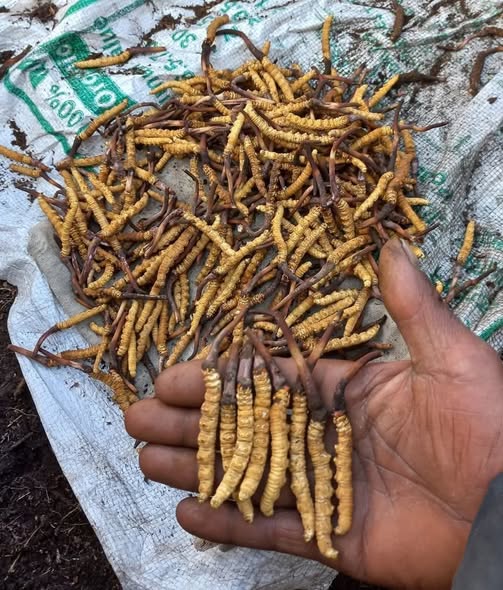
Not everything natural is harmless. Due to the mineral composition of the soil on the Tibetan Plateau, wild Yarsagumba tends to bioaccumulate heavy metals, especially arsenic. Additionally, cases of adulteration have been reported where unscrupulous sellers insert lead filaments into the fungi to increase their sale weight.
For this reason, food safety agencies recommend caution with consuming the whole wild fungus and suggest opting for cultivated extracts (Cs-4) that pass standardized quality controls.
At the end of the season, harvesters descend to the valley with baskets that are lighter every year. What happens at 4,500 meters high is not an isolated event, but a global mirror.
Ophiocordyceps sinensis has survived millennia adapting to the ice, but perhaps it will not survive its most recent predator: the global market. As we posited at the beginning, this small fungus has proven to be the most precise barometer of our era: it shows us how the excessive search for longevity can end up destroying, paradoxically, the very source of life that sustains it.
Related posts

Fusarium venenatum, the fungus challenging the meat industry's efficiency
Published :
2025-12-12 15:28:57
Benefits and Properties of Lion's Mane
Published :
2025-08-22 11:12:46

Mycelium: living material that could revolutionise architecture and construction
Published :
2025-07-15 19:27:36