










Fantasia Truffles - Mushmagic
Magic truffles
€16.99Price
To access our site, you must confirm that you are at least 18 years old.


In July 2025, a team from Emory University published a study in NPJ Aging on the anti-inflammatory effects of psilocin —the active metabolite of psilocybin mushrooms— in ageing cells. What they found as a secondary result turned out to be bigger than the original question: the compound was not merely an anti-inflammatory, but behaved as a potent geroprotector, extending the lifespan of human cells by more than 50% and increasing the survival of aged mice by 30%.
The demographic context is anything but trivial. In 2026, for the first time in recorded history, the number of people over 65 years old exceeds that of children under five worldwide. The diseases associated with ageing —from neurodegenerative decline (Alzheimer's and Parkinson's) and geriatric depression, to systemic physical deterioration such as sarcopenia and cardiovascular disease— account for a disproportionate share of healthcare spending in developed countries.
For decades, old age was treated as an inevitable backdrop against which disease occurred. Modern biology sees it differently: ageing is an active process, mediated by identifiable molecular mechanisms and, therefore, modifiable. This shift marks the transition from reactive medicine —which waits for symptoms before prescribing treatment— to root-cause medicine, which seeks to intervene in the mechanisms that orchestrate global biological deterioration.
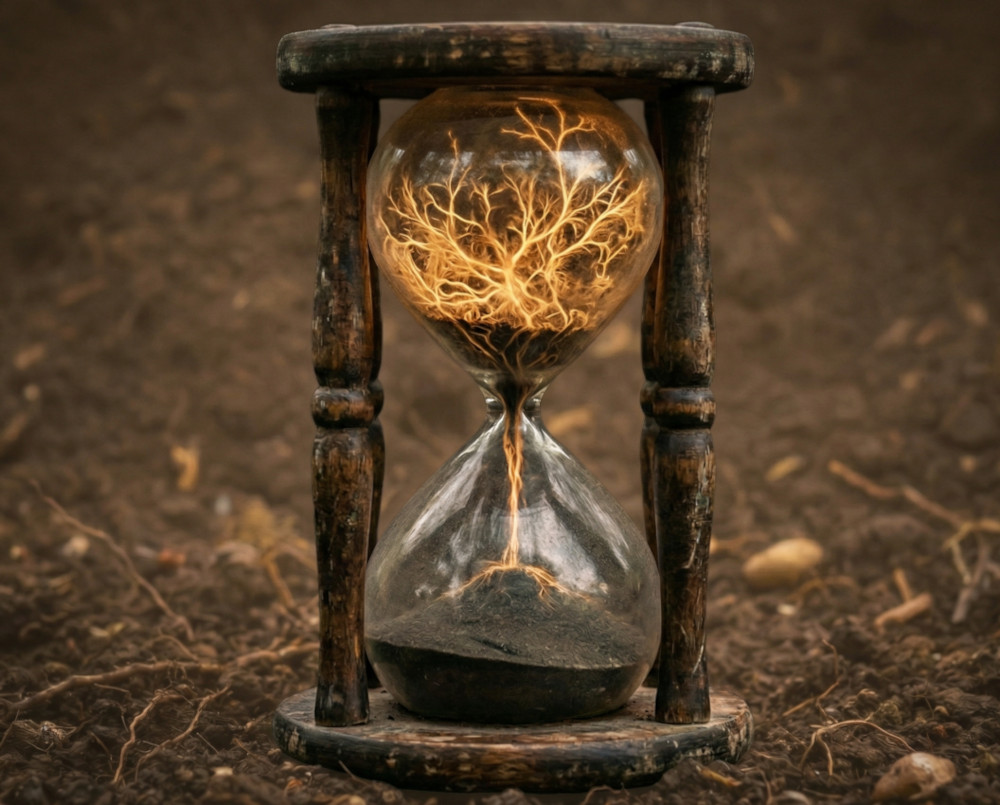
Psilocybin's inclusion in this line of research was unplanned. The compound —studied until now primarily in the context of mental health— arrived in geroscience through the back door, without anyone having originally proposed it as a candidate. In barely a year, psilocybin has gone from being an exclusively psychedelic tool to a geroprotector in the making.
The study had a two-phase structure. In the laboratory, researchers exposed human dermal fibroblasts and pulmonary epithelial cells to controlled concentrations of psilocin, measuring cellular ageing markers over time. Dermal fibroblasts —the cells responsible for producing collagen and maintaining skin structure— function in this study as a visible mirror of internal cellular health: if they rejuvenate, it signals that the effect goes beyond surface tissue.
In parallel, the team designed a long-term protocol with aged mice —19 months old, roughly equivalent to 60–65 human years—, administering psilocybin over ten months while monitoring survival, physical condition and biomarkers. The authors themselves noted that this is the first protocol of its kind conducted with animals of that age and over that duration of follow-up.
The results from both fronts pointed in the same direction.
| Result | Value |
|---|---|
| Lifespan extension in human dermal fibroblasts | > 50% |
| Lifespan extension in human pulmonary cells | > 50% |
| Survival in mice vs. control group | + 30% |
| Age at treatment onset in mice | 19 months (≈ 60–65 human years) |
| Duration of follow-up | 10 months |
What matters is not only the magnitude of the numbers but the conditions under which they were obtained: treatment began when ageing was already advanced, not in young animals. That detail changes the type of question the study answers.
Mice in the treatment group received an initial dose of 5 mg/kg, followed by monthly doses of 15 mg/kg over the ten months that followed. The intermittent administration schedule —inspired by the macrodosing protocols used in assisted psychotherapy— was designed to prevent tolerance between sessions.
The survival experiment was conducted with 30 female mice distributed across treatment and control groups. This is a small sample size for a study of this scope, which does not invalidate the results but does limit statistical power and underlines the need for replication with larger cohorts.
The doses used in mice cannot be directly translated to humans: each species' biology processes substances at different rates, and existing human protocols follow their own pharmacological criteria.
The treated mice did not simply live longer. They showed observable differences in physical condition: better coat quality, a lower proportion of white hairs, and signs of regrowth in areas with early alopecia. These changes are not cosmetic. In rodents, coat colour and density are sensitive biomarkers of oxidative stress and follicular stem cell activity.
The distinction matters: living longer and living better during the years one has are related but not identical goals. The Emory intervention appears to act on both.
Comparing this finding against the most established reference comes with important caveats: the protocol, mouse strains and experimental conditions differ, and a single study does not establish hierarchy. With all those caveats in mind, the only compound to have robustly and reproducibly extended the lifespan of mice across multiple laboratories is rapamycin, with increases of 10–14%. The +30% result from the Emory study, if replicated, sits above that range. Where rapamycin puts the brakes on the biological clock, psilocybin seems, in this model, capable of winding it back up.
Since 2013, the biology of ageing has been organised around hallmarks —defining biological markers of the process—, published by López-Otín et al. in Cell and expanded in 2023 to include twelve fundamental processes. These are the molecular mechanisms that, as they accumulate over time, produce the biological deterioration we associate with old age.
Psilocybin does not act on all of them with equal force or with the same level of evidence. The table includes only those hallmarks for which there is documented evidence —from the Emory study or prior literature— that justifies their inclusion.
| Hallmark | What it is | Evidence of psilocybin's effect |
|---|---|---|
| Oxidative stress | Imbalance between free radical production and cellular antioxidant capacity. | Solid evidence. Reduction documented both in vitro and in vivo (Emory 2025). The best-supported mechanism in the study. |
| Neuroinflammation | Chronic low-grade inflammation in the nervous system, implicated in Alzheimer's, Parkinson's and geriatric depression. | Growing evidence. Multiple studies predating Emory document an anti-inflammatory effect in the central nervous system. |
| Loss of neuroplasticity | Reduced capacity of the brain to form new connections and adapt. | Consolidated evidence. One of the best-documented mechanisms of psilocybin in the literature prior to the Emory study. |
| Telomere attrition | Progressive shortening of telomeres with each cell division, until the cell ceases to function. | Preservation of telomere length documented in cells exposed to psilocin (Emory 2025). Molecular mechanism not yet clarified. |
The strongest evidence applies to the first three areas: oxidative stress, neuroinflammation and neuroplasticity. It is no coincidence that all three are particularly relevant in brain ageing.
The Emory study demonstrated what happens, but did not fully explain why. The molecular mechanisms connecting psilocin to cellular lifespan extension remain the subject of active research. The most plausible candidates, based on the evidence available in early 2026, are as follows.
Reduction of oxidative stress. Psilocin reduces the production of harmful molecules generated by cellular metabolism —known as reactive oxygen species— and improves the activity of the cell's natural antioxidant systems. Accumulated oxidative stress is one of the primary drivers of cellular ageing.
BDNF activation. Psilocybin increases the expression of brain-derived neurotrophic factor (BDNF) and activates its receptor. This pathway promotes neuronal survival, the generation of new neurons and synaptic plasticity —all processes that decline with ageing— and is one of the best-documented mechanisms of the compound.
mTOR activation in the context of neuroplasticity. Serotonergic psychedelics in the psilocybin family activate the mTOR pathway in cortical neurons, stimulating dendritic spine growth and synaptic remodelling. This mechanism is well established in nerve tissue. What has not been demonstrated is whether it also occurs in non-neuronal cells —fibroblasts, pulmonary cells— or whether it contributes to the geroprotective effect observed in the Emory study. The link between mTOR and systemic ageing is, in this context, a working hypothesis, not a confirmed mechanism.
Telomere preservation. Telomeres are the protective ends of chromosomes, which shorten with each cell division until the cell enters senescence. The Emory study documented that cells treated with psilocin better preserved their telomere length, possibly through regulation of the enzyme that maintains them.
Systemic anti-inflammation. Psilocybin reduces markers of chronic low-grade inflammation —including interleukin-6 (IL-6) and the TNF-α factor—, the phenomenon known as inflammaging that underlies virtually all age-related diseases.
The 5-HT2A receptor is the primary molecular switch that triggers the psychedelic experience. If psilocybin's geroprotective action necessarily ran through it, the anti-ageing effects and the subjective effects would be inseparable. But there is a problem with that hypothesis: dermal fibroblasts and pulmonary cells —the very cells that in the Emory study lived more than 50% longer— barely express that receptor. The cells that rejuvenated do not have the mechanism that produces perceptual alteration. This implies that psilocin reaches those cells through a different, presumably metabolic pathway: direct reduction of reactive oxygen species, modulation of telomeric activity, effects on intracellular signalling pathways.
The biological benefit and conscious experience could follow completely separate molecular paths. If confirmed, this dissociation opens an important pharmacological possibility: the design of non-psychoactive analogues that capture the anti-ageing effect without producing perceptual alteration —something already being pursued by several research groups for other indications.
None of these mechanisms necessarily requires psilocybin to produce psychoactive effects.
If the evidence on psilocybin and systemic ageing is promising but preliminary, the evidence on psilocybin and brain ageing is considerably more robust. The brain is the organ where the compound's effects are best documented, and several of its mechanisms of action overlap directly with the processes that deteriorate the central nervous system with age.
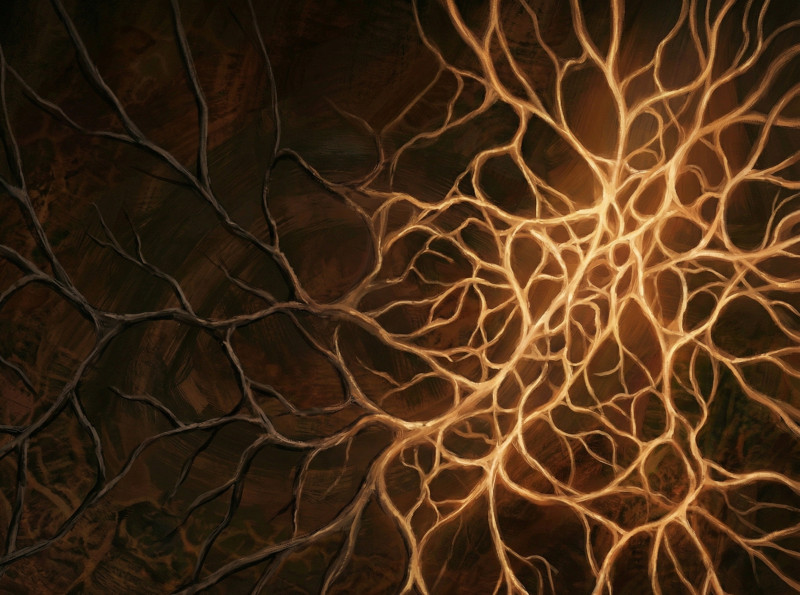
Brain ageing is characterised by changes that accumulate over decades: reduced synaptic density, decreased generation of new neurons, increased chronic inflammation, and a progressive tendency to rigidify activity patterns. This last point is visible in neuroimaging: the ageing brain displays less variability and complexity in its signal, like a system that has lost its capacity to adapt.
One of the most replicated findings in modern psilocybin research is its capacity to promote neuroplasticity rapidly and persistently. A study published in Neuron in 2021 showed that psilocybin promoted the formation of new dendritic spines —the structures through which neurons communicate— in the prefrontal cortex of mice, with an increase of up to 10% compared to the control group. The changes were visible within 24 hours and remained stable for at least a month. Conventional antidepressants take weeks to produce similar effects, and of lesser magnitude.
In parallel, several animal model studies have shown that psilocybin increases the rate of new neuron generation in the hippocampus, the brain region most affected by chronic stress and ageing, and the most directly implicated in memory.
The Default Mode Network (DMN) is the set of brain regions that activates when the mind is not focused on any external task. With ageing, this network tends to become hyperactive and more rigid —less able to switch off when concentration is required—, which is associated with cognitive decline, anxiety and ruminative thinking.
Psilocybin breaks this inertia by restoring brain entropy. Whereas an ageing brain is rigid and predictable (low entropy), a young brain is more chaotic, flexible and rich in connections (high entropy). By temporarily suppressing the Default Mode Network, the compound resets the system, allowing the brain to recover a complexity characteristic of earlier decades.
In early 2026, psilocybin has no approved clinical indication related to ageing in any jurisdiction. In Europe, no EU country has approved its therapeutic use, with the partial exception of Switzerland, which permits it under strict medical supervision in exceptional psychiatric cases. Spain has no regulatory framework enabling its clinical use at this date.
The reason geriatric depression is the most likely entry point is not purely scientific: it is regulatory. For a drug to gain approval, regulatory agencies need clearly defined clinical endpoints —metrics that measure whether the treatment works and that the regulator recognises as valid. Depression has those endpoints: validated scales, active comparators, decades of precedent. Ageing as an indication, by contrast, still has no accepted framework at any agency —neither the FDA nor the EMA has established what would measure the success of an anti-ageing drug in a clinical trial—. This means any compound targeting longevity must first find a side door: a disease with a clear regulatory framework where the anti-ageing mechanism is relevant. Geriatric depression is, right now, that door.
Depression in older adults shares mechanisms with brain ageing —neuroinflammation, loss of neuroplasticity, rigidification of the Default Mode Network— and conventional antidepressants show considerably lower efficacy in this population, partly because they do not address the inflammatory component. There is already solid precedent for psilocybin's efficacy in treatment-resistant depression in younger adults, and the ongoing trials at Johns Hopkins with participants aged 65 and over are the closest to producing a clinically impactful result in the near term.
As for safety, psilocybin's profile in younger adults is well documented: it is physically well tolerated, does not produce physical dependence, and serious adverse effects are rare in controlled settings. In older adults, additional considerations must be built into protocols: polypharmacy increases the risk of interactions with serotonergic antidepressants; cardiovascular frailty amplifies the relevance of psilocin's vascular effects; and greater variability in response to psychological stress requires more careful selection criteria than in trials conducted with younger adults.
The most critical and immediate step is independent replication of Emory's central finding. A single study, however methodologically sound, does not establish a scientific fact. If other laboratories confirm the results over the next two to three years, there will be a basis for moving towards the first clinical trials with ageing markers as a primary endpoint —telomere length, inflammation markers, neuroplasticity— in older adults. If it is not replicated, the finding will remain as an interesting anomaly.
The US National Institute on Aging has funded studies that will begin yielding data on different dosing regimens in adults over 60 from 2027–2028 onwards. What those studies will not be able to answer immediately are some of the most relevant questions: whether the effects are maintained with prolonged administration, whether cumulative tolerance develops, and whether the psychoactive experience is a necessary part of the mechanism or a dispensable accompaniment.
One factor worth bearing in mind when reading coverage of this field is the growing commercial interest. Several companies are publicly traded with psilocybin as a core asset —including COMPASS Pathways, which funds phase II/III clinical trials— and the sector has attracted significant investment over the past five years. This does not invalidate the science, but it does create incentives that can influence which results are published, how they are communicated and with what urgency. The Emory study comes from a public university and its authors declare no relevant conflicts of interest, but the ecosystem surrounding psilocybin research is not neutral. Keeping this balance between scientific optimism and market reality in mind is part of the rigour the reader is asked to apply.
In 2025, a study from Emory University added a dimension that was not on psilocybin's research agenda: the possibility that the compound acts on the molecular mechanisms of cellular ageing.
The data are concrete —more than 50% increase in cellular longevity in vitro, 30% greater survival in aged mice treated at a late stage— and the methodology is sound. But they are a starting point, not a conclusion. Independent replication does not yet exist. The precise mechanisms are not fully elucidated. The leap from mice to humans is uncertain, as it has always been in this field.
Psilocybin has ceased to be merely a tool for exploring the mind and become a candidate for preserving the matter that sustains it.
This article is intended exclusively for informational and scientific outreach purposes. Its content does not constitute, nor does it replace, professional medical advice, diagnosis or treatment. Psilocybin is a controlled substance in most jurisdictions and has no approved clinical indication related to ageing in any country.
Related posts

How psilocybin can reshape the adult brain
Published :
2026-03-20 12:46:23
Therapeutic applications of psilocybin
Published :
2025-07-31 14:25:24
Psilocybin: what it is, how it works and what effects it has
Published :
2025-07-24 12:21:12